Vented cylinders
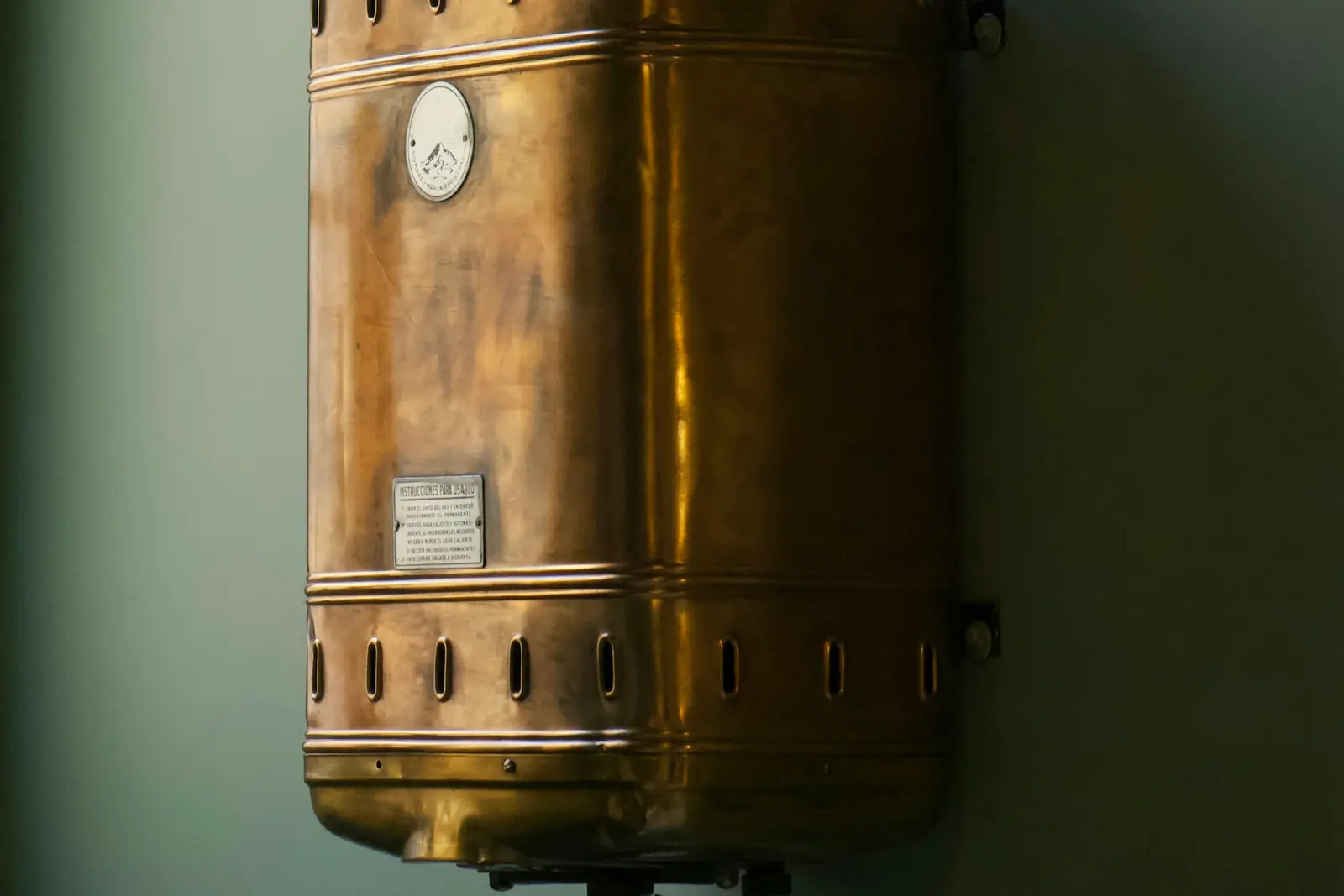
A vented (or gravity-fed) cylinder is supplied from a cold water tank in the loft. Pressure comes from the height of that tank, so it's often low, especially upstairs. Many older UK homes have this set-up. It's simple and robust, but weak showers often need a pump.
Vented cylinders are usually heated by a coil connected to the boiler, with an electric immersion heater as a backup.
Unvented cylinders
An unvented cylinder is fed directly from the mains, so hot water comes out at mains pressure – giving strong showers on every floor without a pump, and freeing up the loft as there's no cold tank. It needs a good incoming mains supply.
Because it stores hot water under pressure, an unvented cylinder has safety devices and must be installed by someone qualified for unvented systems. Installation is notifiable building work, and annual servicing is generally recommended.
Need a plumber for this?
Describe the job and compare free quotes from plumbers near you.
- Free to use
- No obligation
- Compare local plumbers
- Quick online form
You'll continue to our quotes partner, MyJobQuote, to describe your plumbing job.
Cylinder or combi?
| Combi boiler | Cylinder system | |
|---|---|---|
| Hot water | On demand | Stored, ready to use |
| Space | No cylinder or tank | Needs space for a cylinder |
| Several outlets at once | Can struggle | Copes better |
| Backup if the boiler fails | None | Immersion heater |
| Works with heat pumps and solar | Generally no | Yes, with the right cylinder |
General comparison – the right choice depends on your home and household.
Signs a cylinder needs attention
Leaks or damp around the cylinder, discoloured hot water, hot water running out too quickly, a failed immersion heater or water dripping from a pipe outside (on unvented systems, the discharge pipe) all warrant a check. Cylinders can last many years, but corrosion and scale eventually take their toll.