Bathroom, Kitchen & WC Plumbing Quotes
Swapping a toilet, fitting a new basin and taps, plumbing in a dishwasher or running the pipework for a whole new bathroom – describe the job once and compare quotes from plumbers who work near you.
- Toilet and WC installation
- Basins, sinks and taps
- Kitchen sink and appliances
- Waste pipes and traps
- New bathroom plumbing
- Moving or adding fittings
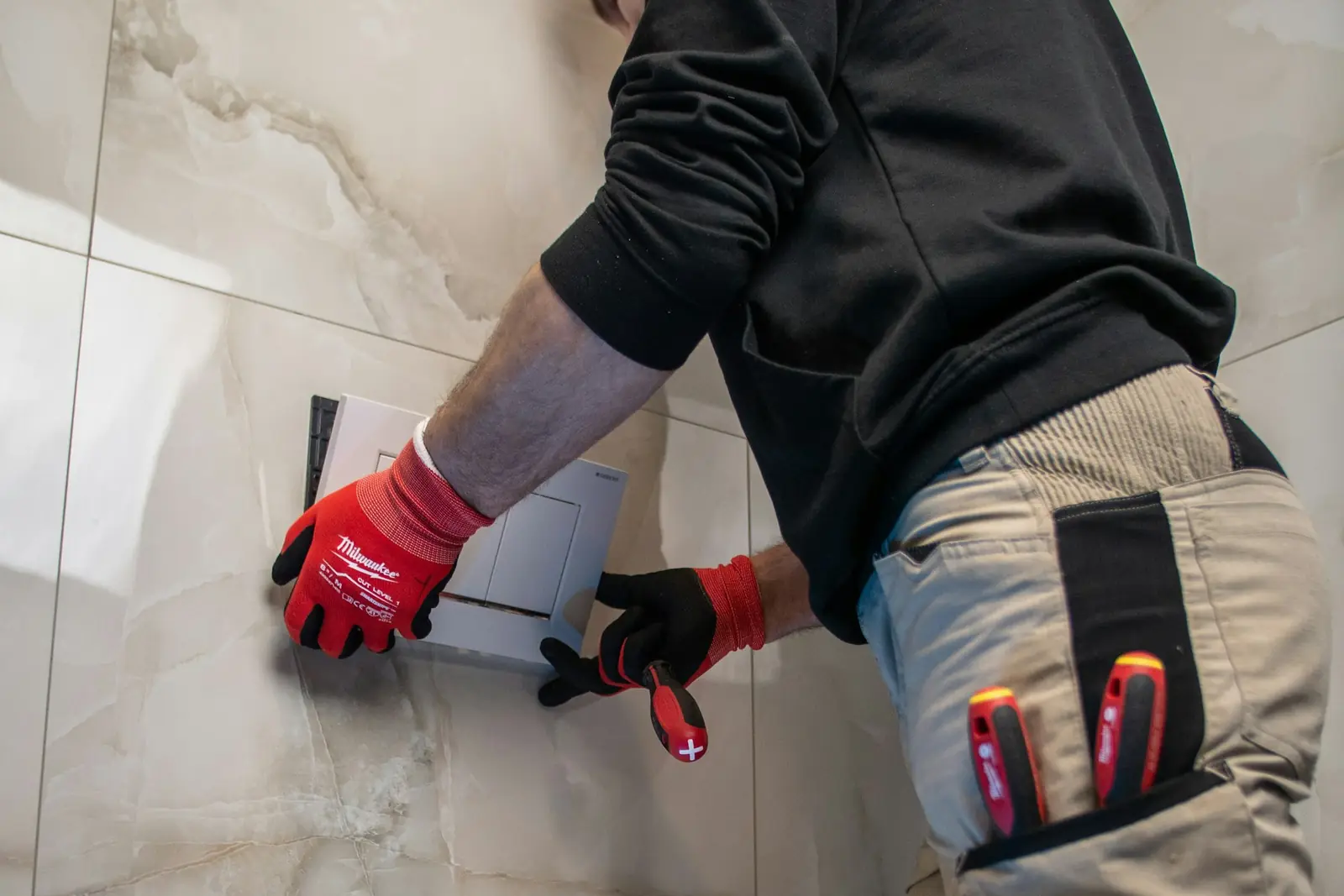
Bathrooms and kitchens are where most of the water in a home is used, and where most plumbing work happens. Some jobs are quick – a new tap, a replacement toilet seat that has turned into a new toilet, a washing machine moved to the utility room. Others are the backbone of a renovation: every pipe, waste and connection behind a new bathroom suite or fitted kitchen.
Either way, the work you see at the end depends on what happens before anything is fitted. Supply pipes need to be the right size and properly isolated, wastes need a steady fall to the drain, and toilets need a sound connection to the soil pipe. Get those right and a bathroom or kitchen works quietly for years; get them wrong and you find out through a stained ceiling or a smell that never quite goes away.
Through Plumbers Quote you can describe what you want doing and hear back from local plumbers who take on this kind of work. You are not buying a suite or a kitchen from us – you are finding a plumber to install and connect it, or to sort out the plumbing you already have.
Bathroom, kitchen and WC jobs plumbers quote for
Toilet replacement
Taking out an old close-coupled or low-level toilet and fitting a new one, including a new pan connector, isolating valve and cistern fittings.
Basins, sinks and taps
New bathroom basins and vanity units, kitchen sinks, mixer taps, pillar taps and wall-mounted taps, with fresh isolating valves and wastes.
Kitchen appliances
Plumbing in washing machines, dishwashers and fridge-freezers with water feeds, including new supply and waste connections where there were none.
Plumbing for a new bathroom
First fix pipework before walls are boarded and tiled, then second fix – the bath, shower, basin, toilet and taps – once the room is finished.
Plumbing for a new kitchen
Re-routing supplies and wastes to suit a new layout, connecting the sink, taps and appliances, and making sure everything can be isolated.
WCs in new places
Adding a downstairs toilet or en suite, including the soil pipe route and, where gravity drainage isn't possible, a macerator solution.
Bathroom plumbing: first fix and second fix
On a bathroom refit, plumbing happens in two stages. First fix is everything that disappears into the walls and floor: hot and cold supply pipes run to where the bath, basin, toilet and shower will go, wastes laid to the right falls, and connections prepared for the soil pipe. This is the moment to fix any old or awkward pipework, because once the walls are tiled it becomes expensive to reach.
Second fix comes after plastering and tiling. The plumber fits the suite, connects taps and wastes, sets up the shower valve, fills and tests everything and checks for leaks. A careful plumber will also make sure every fitting has an isolating valve, so a dripping tap or a faulty cistern in years to come doesn't mean turning off the water to the whole house.
Many plumbers carry out the whole bathroom, including tiling and coordinating any electrical work. Others prefer to do only the plumbing for a builder or bathroom fitter. Say which you need when you request quotes, so the prices you get back cover the same scope.
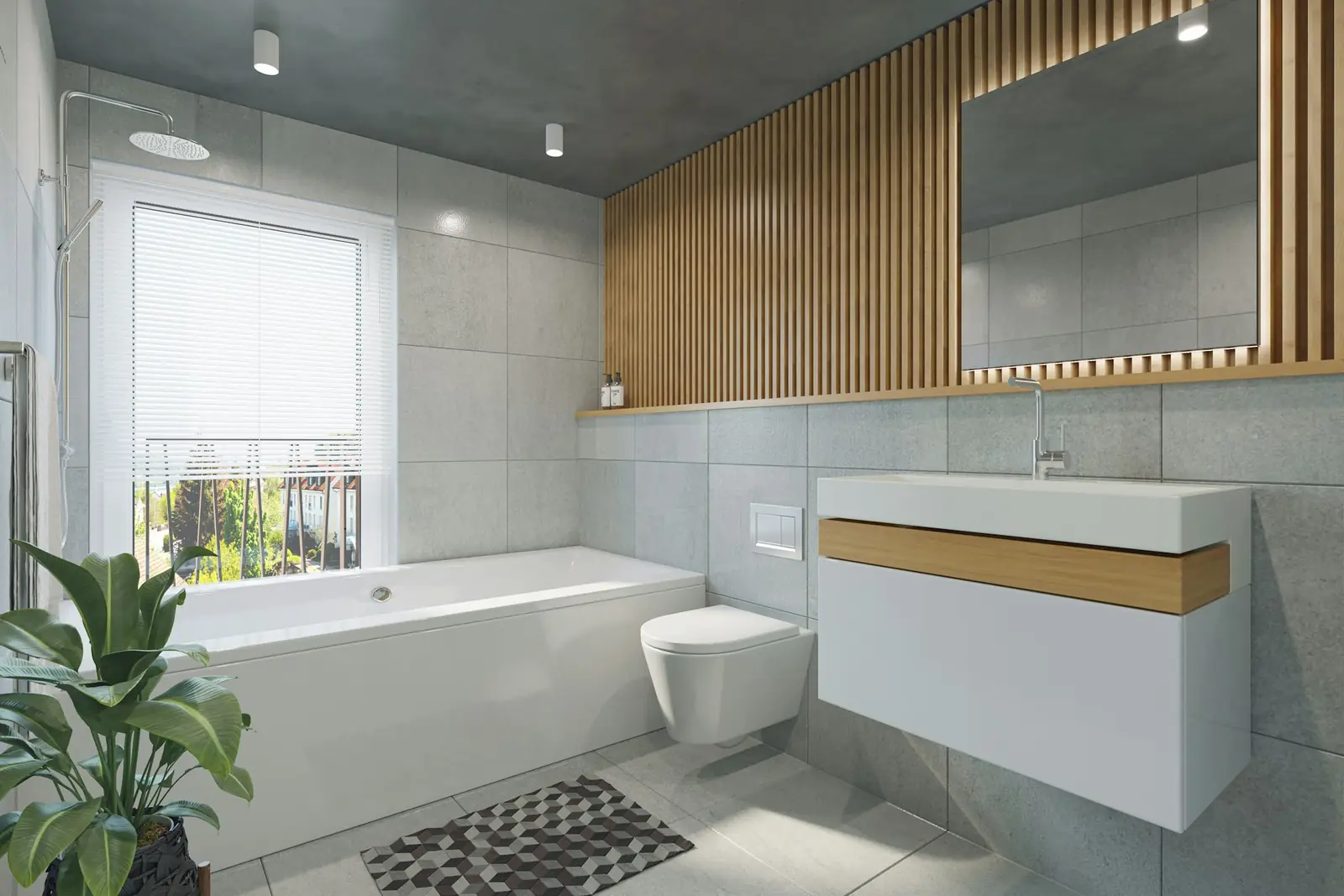
Toilet and WC installation
Replacing a toilet like for like is one of the most common plumbing jobs. The plumber isolates and drains the cistern, removes the old pan, fits a new pan connector to the soil pipe, and installs the new toilet so that it sits level and is fixed firmly. A wobbly pan is the usual cause of a leak at the base, so the fixing matters as much as the connection.
Different toilets need different amounts of work. Close-coupled toilets are the straightforward option. Back-to-wall pans hide the cistern in furniture or a boxed-in duct, which needs access for future repairs. Wall-hung toilets sit on a steel frame with a concealed cistern behind the wall – they look clean and make floors easy to clean, but they are best fitted during a full refit because the frame has to be built in.
Adding a WC where there wasn't one – under the stairs, in a utility room or a loft – depends on getting waste to the soil stack. Where that isn't possible by gravity, a macerator unit can pump it away through a smaller pipe. Building Regulations guidance generally expects a macerator WC to be in addition to a conventionally drained toilet in the home, and a plumber will tell you whether your plan is practical.
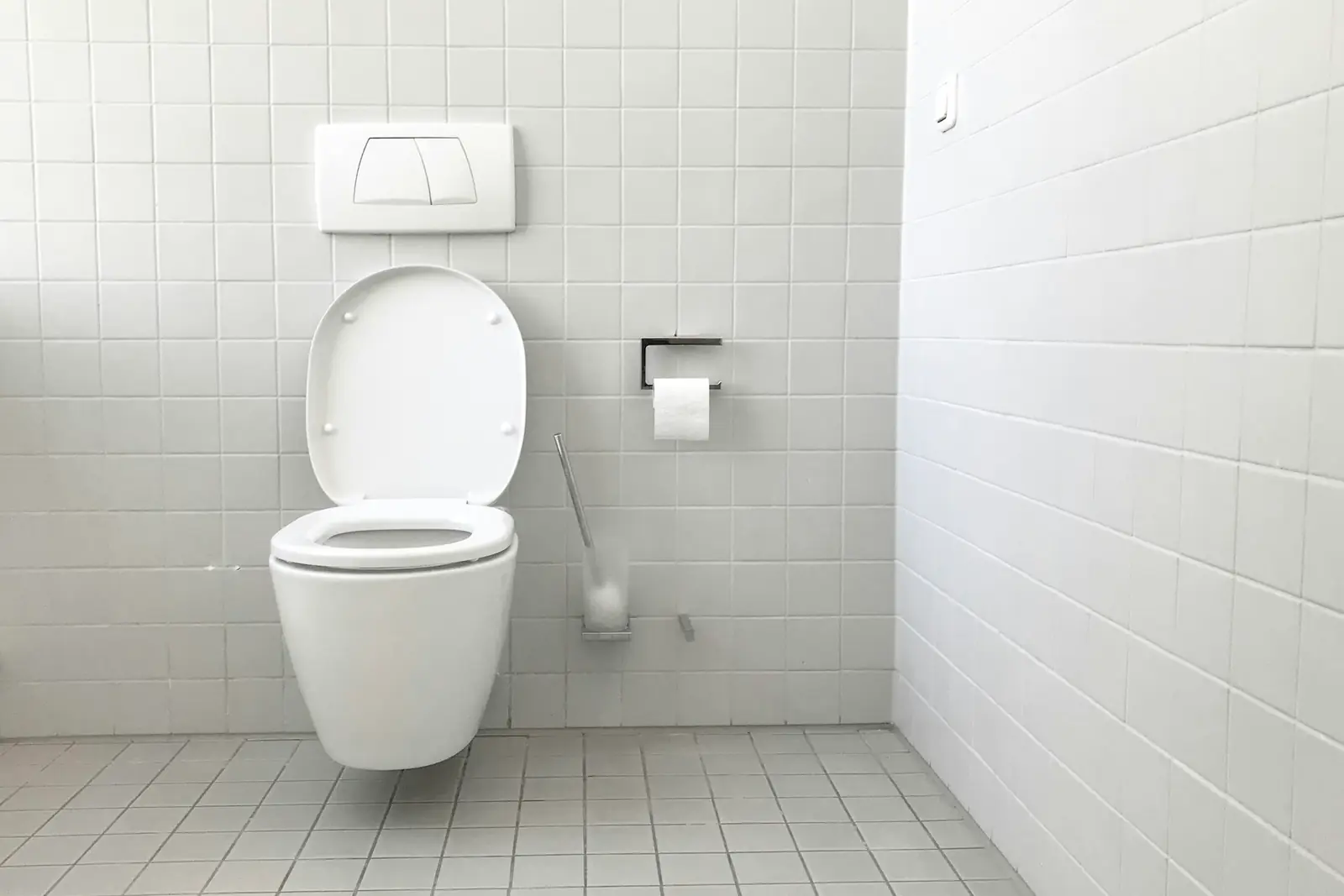
Sinks, basins and taps
A new tap is often a quick job, but it depends on what you're fitting. Swapping a mixer for a mixer is usually simple; changing from two pillar taps to a single mixer may mean a new basin or sink with a different number of tap holes. Wall-mounted taps need their pipework built into the wall, so they belong with a refit rather than a quick swap.
When you choose taps, check that they suit your water pressure. Some designs, especially many imported mixers, are made for high-pressure systems and will run disappointingly slowly on a low-pressure, tank-fed supply. Your plumber can tell you what system you have before you buy.
Kitchen sinks come with their own considerations – undermount sinks need the worktop cut and finished to suit, and a waste disposal unit or a boiling-water tap changes the space you need underneath. Fitting a new sink is also a good time to replace corroded isolating valves and old, kinked flexible tap connectors.
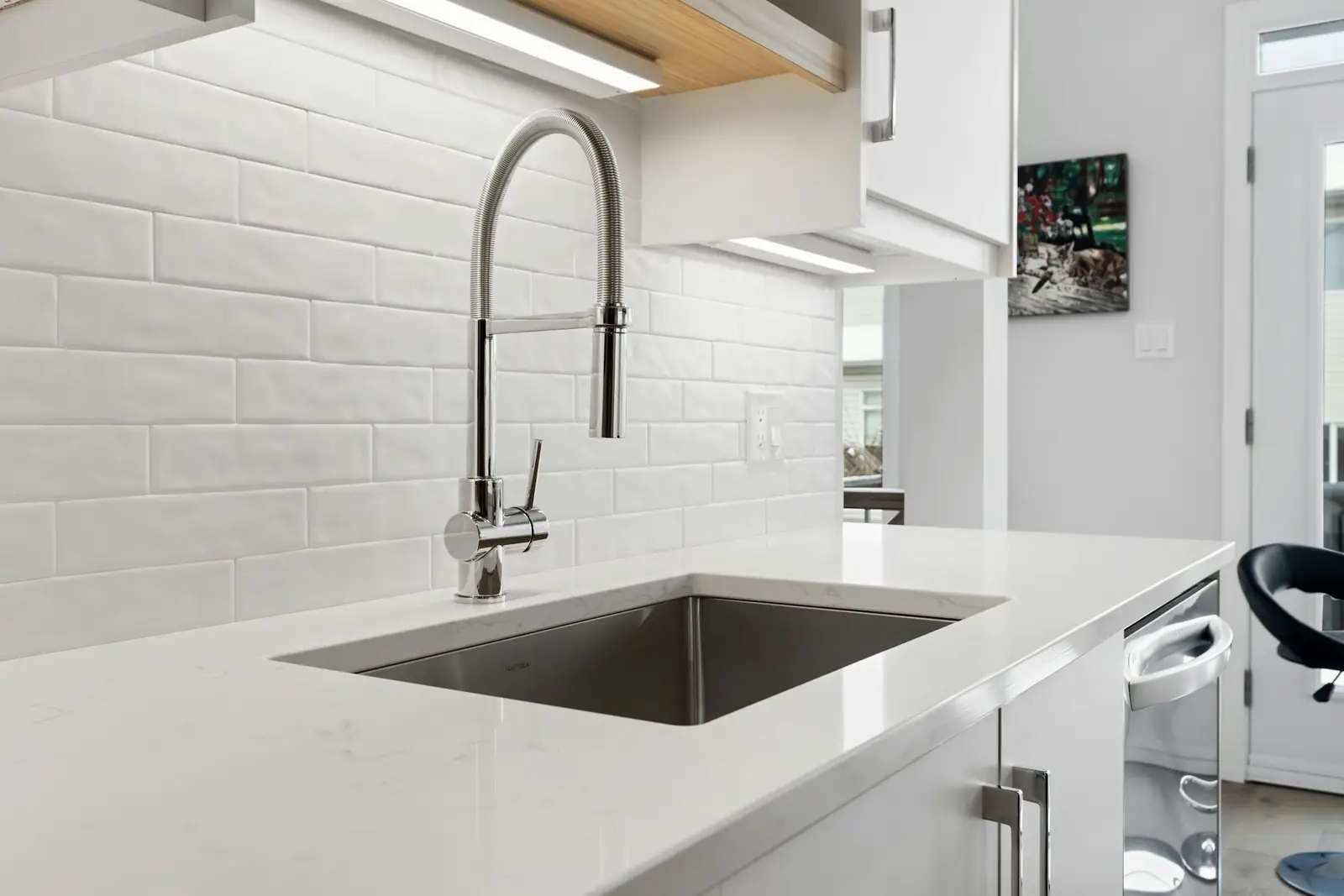
Kitchen plumbing and appliances
When a new kitchen goes in, the plumber's job is to make sure water gets to the right places and drains away properly afterwards. That usually means re-routing the cold main and hot supply to the new sink position, providing feeds and wastes for the washing machine and dishwasher, and sometimes a cold feed for an American-style fridge freezer.
If the sink is moving across the room, the waste has to travel with it at a steady fall. Long or flat waste runs are a common cause of slow-draining sinks, so a good plumber will plan the route before the units are fitted. Many kitchen fitters plumb the kitchen themselves; if yours doesn't, ask for quotes for the plumbing on its own.
- Moving or extending hot and cold supplies to the new sink position
- Fitting the sink, tap, waste and trap
- Washing machine and dishwasher supplies, valves and wastes
- A cold feed for a fridge freezer or water filter tap
- Isolating valves on every appliance and the sink
- Testing every joint for leaks before the plinths go on
Waste pipes, traps and drainage connections
Every sink, basin, bath and shower has a trap – the U-bend that holds water to stop drain smells coming back into the room – and a waste pipe that carries water to the soil stack or an outside gully. Problems with wastes show up as slow draining, gurgling, bad smells or drips inside the cabinet, and they are usually straightforward for a plumber to put right.
Plumbers deal with the pipework inside the house and the connection to the soil stack. Blockages further down the line, in the underground drains or the sewer, are normally a job for a drainage company with jetting and CCTV equipment. If several fittings are draining slowly at once, or the outside gully is overflowing, the problem is probably in the drain rather than the pipework, and your plumber will tell you so.
Planning bathroom and kitchen plumbing
For a straightforward swap – a tap, a toilet, a basin – most plumbers can quote from a description and a couple of photos, and fit within a few days or weeks depending on how busy they are. Have the new item on site before the plumber arrives, and check it is complete; missing fittings are the most common reason a simple job overruns.
For a full bathroom or kitchen, involve the plumber early. They need to see the room before the layout is fixed, because moving a toilet or sink a short distance can be easy or very difficult depending on where the soil stack and drains run. Then agree the order of work with any other trades: plumbing first fix, electrics, plastering and tiling, and finally second fix.
Regulations and safety
- Plumbing in the UK has to comply with water fittings regulations – the Water Supply (Water Fittings) Regulations 1999 in England and Wales, with equivalent rules in Scotland and Northern Ireland – which cover things like backflow protection and preventing waste of water.
- Adding a new bathroom, WC or drainage connection can be building work that needs to meet Building Regulations, for example on drainage and sanitation. A plumber will tell you whether building control needs to be involved.
- Electrical work in bathrooms, such as extractor fans, shaver sockets or electric showers, must be done by someone competent to do it and may need to be certified. Plumbers either hold the relevant qualification or work alongside a qualified electrician.
- Any work on gas pipes or a gas boiler – for example if a boiler has to move during a kitchen refit – must by law be done by a Gas Safe registered engineer.
Typical bathroom, kitchen and WC plumbing prices
Indicative UK prices for labour, assuming you have already bought the fixtures. They vary with access, the condition of the existing pipework and location – London and the South East are often at the top of these ranges or above.
| Job | Typical UK price |
|---|---|
| Replace a toilet like for like (fitting only) | £150–£350 |
| Fit a wall-hung toilet with a concealed frame (fitting only) | £400–£900 |
| Replace a bathroom basin and pedestal or vanity unit | £150–£400 |
| Replace a kitchen or basin mixer tap | £90–£200 |
| Fit a new kitchen sink, tap and waste | £150–£350 |
| Plumb in a washing machine or dishwasher (existing supply) | £80–£150 |
| Plumbing for a new kitchen (sink and appliances) | £300–£900 |
| Plumbing labour for a full bathroom refit | £1,200–£3,000 |
Prices are indicative only and include VAT where the plumber is VAT-registered. Always get written quotes for your specific job.
More examples, including hourly rates and call-out charges, are in our plumber cost guide.
What affects the price
- Like for like or a new layout
- Swapping a fitting in the same place is much quicker than moving it, which can mean new supplies, wastes and soil connections.
- The existing pipework
- Old lead, galvanised or corroded pipes, seized valves and non-standard sizes all add time once the old fitting comes out.
- Access
- Boxed-in pipes, tiled-in baths and pipes under floors take longer to reach – and sometimes need making good afterwards.
- Type of fitting
- Wall-hung toilets, wall-mounted taps and concealed cisterns need more building-in work than standard close-coupled or deck-mounted fittings.
- Who supplies what
- Most plumbers fit customer-supplied items, but some prefer to supply the fittings and charge a margin. Make sure quotes are like for like.
- Other trades
- Tiling, plastering and electrical work can be part of the quote or arranged separately, which makes a big difference to the total.
Comparing bathroom and kitchen plumbing quotes
- Exactly which fittings are being removed, fitted and connected
- Whether new isolating valves, flexible connectors and wastes are included
- Who supplies the suite, sink, taps and fittings – and who collects them
- How old pipework will be dealt with if it's found to be in poor condition
- Whether tiling, plastering, electrics and disposal of the old suite are included
- How long the work will take and how long you'll be without a toilet or sink
- Public liability insurance and any guarantee on the workmanship
- Payment terms – avoid paying the full amount before work starts
Request bathroom and kitchen plumbing quotes
Describe the job, add your postcode and compare quotes from local plumbers. It's free, and you're under no obligation to go ahead.
Get free bathroom and kitchen plumbing quotes
Describe your plumbing job once and compare quotes from local plumbers who cover your area.
- Free to use
- No obligation
- Compare local plumbers
- Quick online form
You'll continue to our quotes partner, MyJobQuote, to describe your plumbing job.
Bathroom, Kitchen & WC Plumbing near you
You can request bathroom and kitchen plumbing quotes anywhere in the UK. These cities have their own local bathroom & kitchen plumbing guide:
Plumbers in more towns and cities
Guides for bathroom & kitchen plumbing
- Planning the plumbing for a new bathroomThe suite you choose matters, but the plumbing behind it decides whether your new bathroom works properly. Plan it before you buy.
- Wet rooms: what's involvedA wet room replaces the shower tray with a fully waterproofed, level floor that drains to an outlet. It looks sleek and is great for accessibility – but it has to be built properly.
- Wall-hung toilets explainedWall-hung toilets look neat and make floors easy to clean. Behind the wall, though, there's a steel frame and a hidden cistern – and that shapes how they're fitted and maintained.
- Plumbing in a washing machine or dishwasherIf the connections are already there, plumbing in an appliance takes minutes. If they're not – or the machine is moving – it's a small plumbing job worth doing properly.
- Can you move a toilet?Moving a toilet is the single biggest layout decision in a bathroom. Sometimes it's straightforward; sometimes it's the most expensive part of the project.
- Macerator toilets explainedA macerator can put a toilet or shower where normal drainage can't reach – a basement, loft or under-stairs cloakroom. They're clever, but they need to be treated with care.
Bathroom, Kitchen & WC Plumbing: frequently asked questions
Can a plumber fit a toilet I've bought myself?
Yes. Most plumbers are happy to fit customer-supplied toilets, basins, sinks and taps. Check the item is complete before the plumber arrives, and mention the make and model when you request quotes so they can check for anything unusual.
How long does it take to replace a toilet?
A straightforward like-for-like replacement often takes two to three hours. It can take longer if the old pan is cemented to the floor, the soil connection is awkward, or the floor needs repairing underneath.
Do I need a plumber to plumb in a dishwasher or washing machine?
If there's already a supply valve and a waste connection in the right place, connecting an appliance is simple. If the supply or waste needs extending, or the appliance is moving to a new position, it's a job for a plumber.
Can I move my toilet to a different part of the bathroom?
Often, yes, but it depends on reaching the soil pipe with enough fall. Moving a toilet a short distance along the same wall is usually easier than moving it across the room. A plumber will need to see the room to say what's possible.
Should the plumber or the bathroom fitter do the plumbing?
Many bathroom fitters are plumbers themselves. If yours isn't, ask whether they use a plumber they trust or whether you should arrange one. What matters is that the person doing the first fix pipework knows the final layout.
Why does my new tap run so slowly?
Many modern taps are designed for higher water pressure than a tank-fed hot water system provides. If you have a cold water tank in the loft and a hot water cylinder, ask your plumber to recommend taps suited to low pressure before you buy.
Ready to get bathroom and kitchen plumbing quotes?
One short form, local plumbers, no obligation.
Get Plumber Quotes