Turn off the water at the stopcock
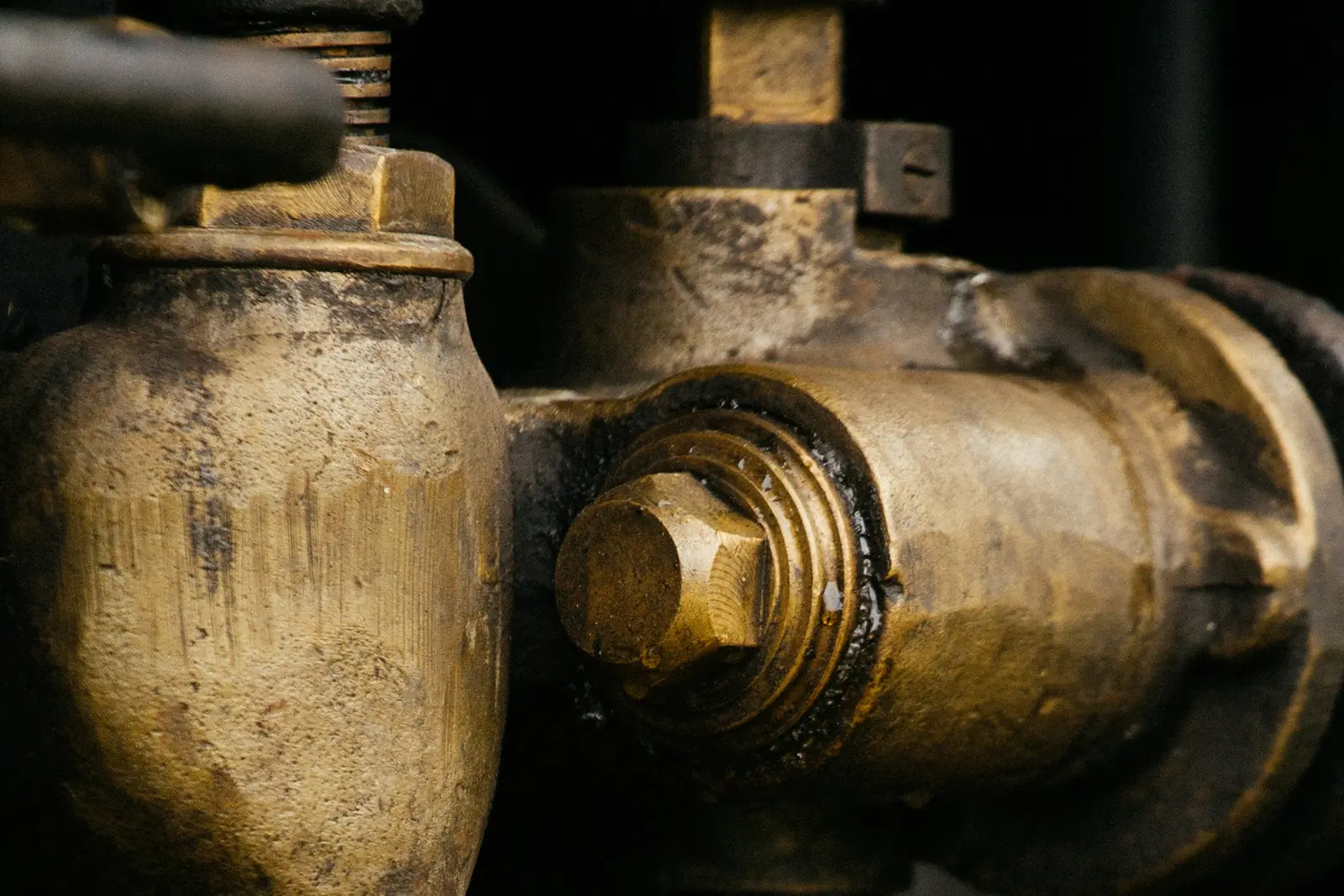
Your internal stopcock controls the water supply to the whole home. It's usually under the kitchen sink, but it can also be in a downstairs toilet, a utility room, under the stairs, in a cellar or where the supply pipe comes up through the floor. Turn it clockwise until it stops.
In a flat, the stopcock may be in a cupboard in the hallway, the kitchen or the bathroom – or, in some older buildings, in a communal area. If you can't find it now, it's worth looking before you ever need it.
Drain the pipes and protect the electrics
Once the stopcock is off, open the cold taps in the kitchen and bathroom to drain the remaining water from the pipes. If you have a tank-fed system, turn off the gate valve on the pipe coming out of the cold water tank if you can find it, and flush the toilets to empty the cisterns.
If water is anywhere near light fittings, sockets or the consumer unit, switch off the electricity at the consumer unit – but only if you can reach it without standing in water. Don't touch switches or appliances with wet hands, and don't use lights in a room where water is coming through the ceiling.
Limit the damage
Move furniture, electrical items and valuables away from the water, put down towels and buckets, and if a ceiling is bulging with water, keep well clear of it. Take photos of the damage and the source of the leak for your insurer.
- Turn off the boiler and immersion heater if the hot water system is affected
- Use isolating valves on individual taps, toilets or appliances if the leak is from one fitting
- Tell your neighbours if you live in a flat – the leak may be affecting them too
- Keep receipts for any emergency costs in case you can claim them
Need a plumber for this?
Describe the job and compare free quotes from plumbers near you.
- Free to use
- No obligation
- Compare local plumbers
- Quick online form
You'll continue to our quotes partner, MyJobQuote, to describe your plumbing job.
Call the right person
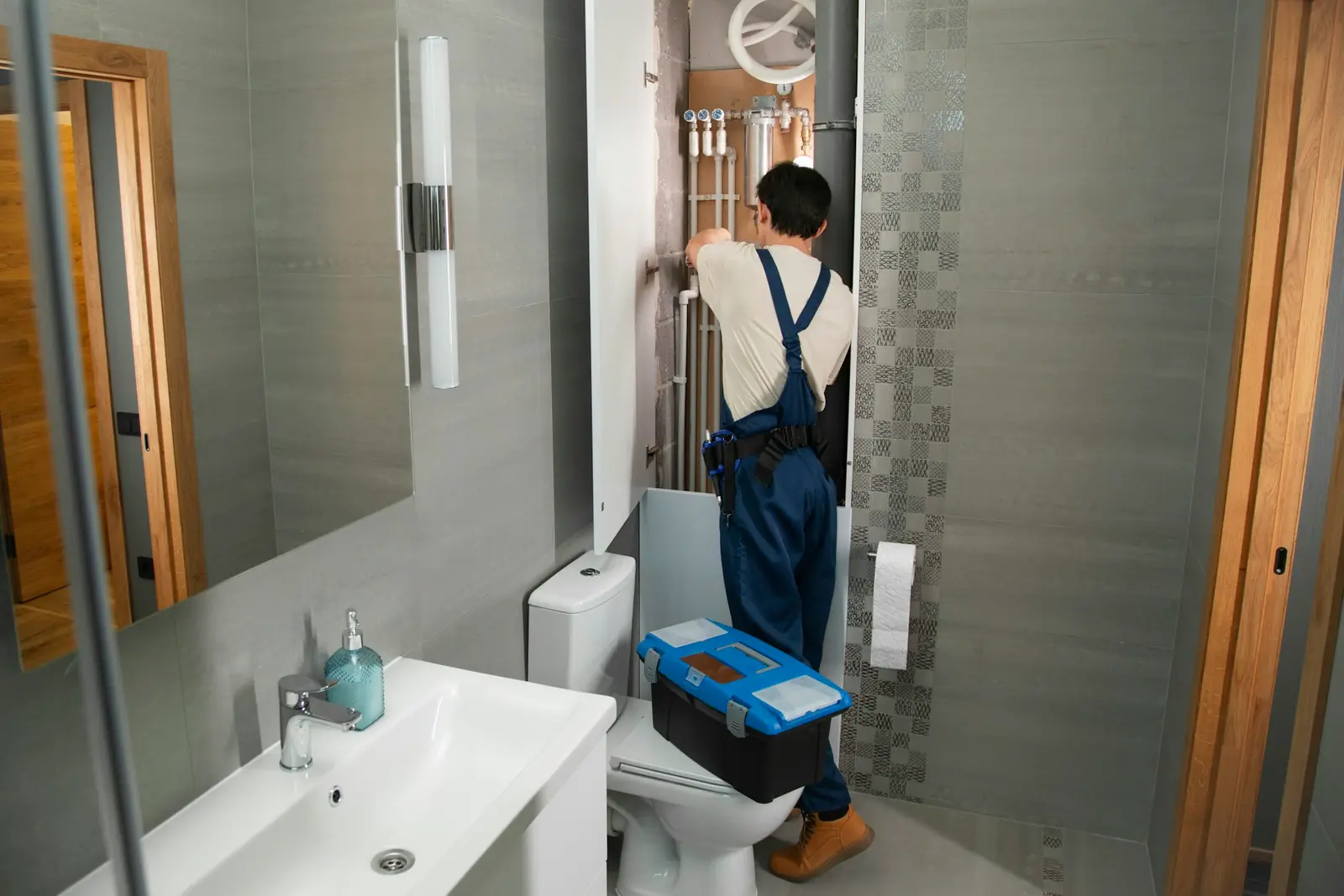
For a burst pipe, a leak you can't stop or water coming through a ceiling, call a plumber who offers emergency call-outs. Expect to pay more for an out-of-hours visit. For non-urgent repairs, you'll usually get better value by requesting quotes and booking a weekday visit.
If the leak is outside your property – water bubbling up in the street or the pavement – report it to your water company. If you smell gas, it isn't a plumbing emergency: leave the property and call the National Gas Emergency number on 0800 111 999.
After the emergency
Once the immediate repair is done, ask the plumber why it happened. A burst pipe in a loft may need lagging; a leak from an old joint may mean other joints nearby are on borrowed time; and a seized stopcock should be replaced. Then contact your insurer – many home insurance policies cover escape of water, and some include trace and access cover for finding hidden leaks.