Shower, Power Shower & Pump Quotes
A weak trickle, a shower that runs hot then cold, a pump that sounds like a jet engine, or a brand-new walk-in shower – compare quotes from plumbers who install and repair showers in your area.
- New shower installation
- Shower replacement
- Power showers
- Shower pumps
- Low pressure problems
- Leaks and shower repairs
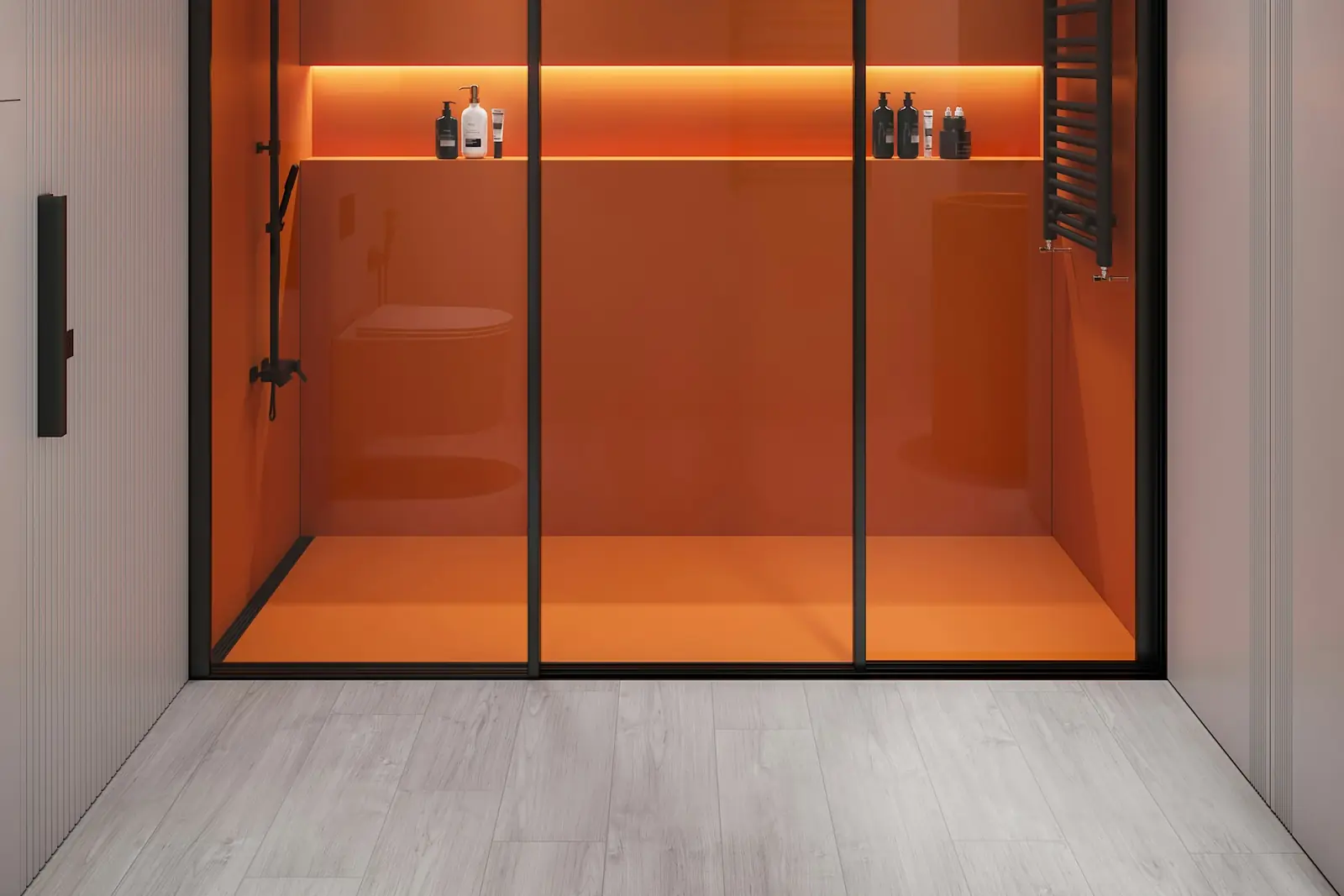
Few things in a home get used as hard, or as often, as the shower. When it works well you barely think about it; when it doesn't – too weak, too hot, too cold, dripping or leaking into the ceiling below – it becomes the most noticed job in the house.
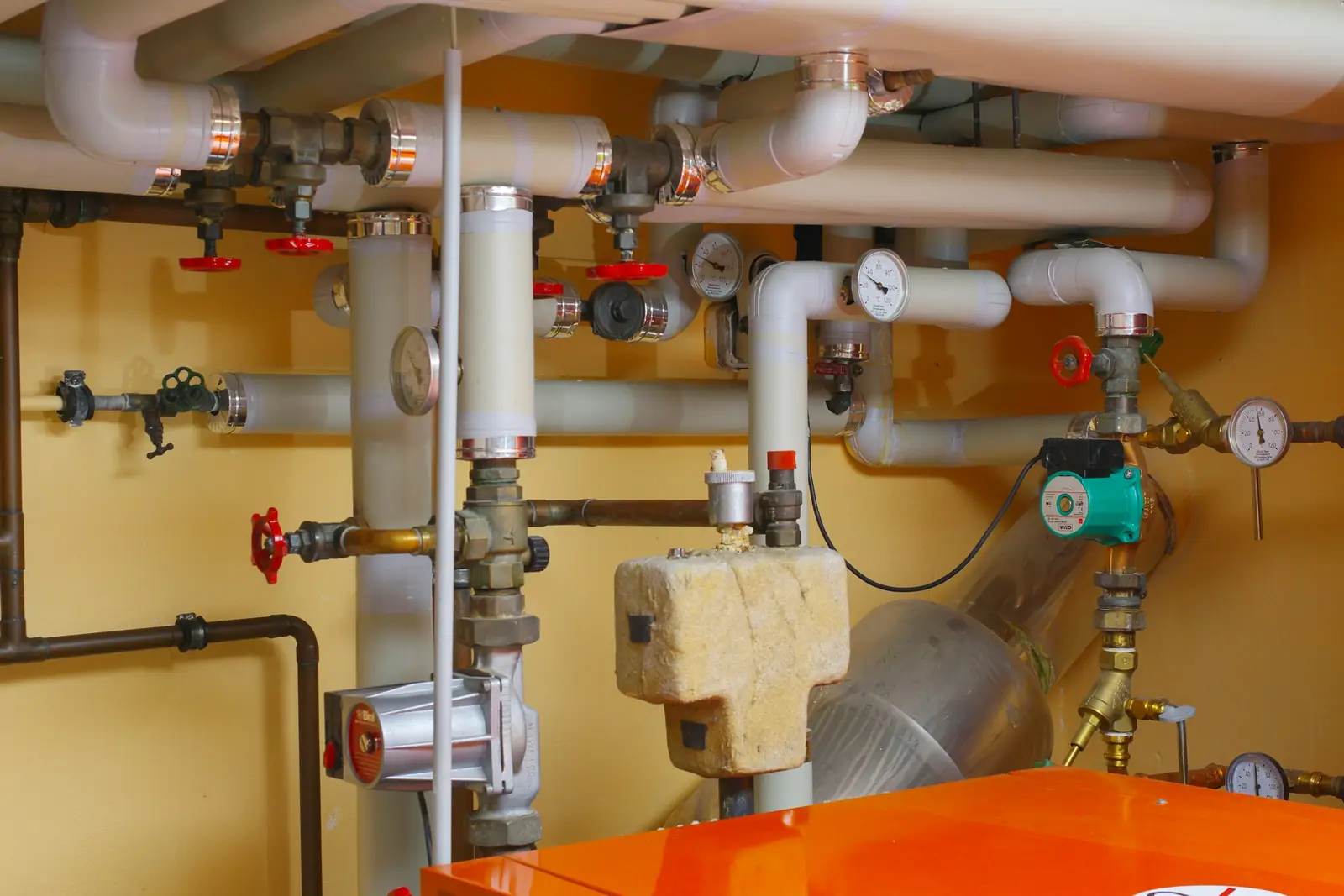
The right shower depends less on what looks good in a showroom and more on the hot water system behind it. A combi boiler, a hot water cylinder fed from a tank in the loft, an unvented cylinder and a cold mains supply for an electric shower all behave differently, and a shower or pump that suits one can be useless – or not allowed – on another.
Describe what you have and what you want, and local plumbers who install and repair showers can come back to you with quotes. Photos of the existing shower, the boiler or cylinder, and the loft tank if you have one help them price accurately.
Shower jobs plumbers quote for
New shower installation
A new mixer or electric shower over the bath, in an enclosure or in a walk-in shower, including the valve, riser or fixed head and connections.
Shower replacement
Swapping a tired or faulty shower for a new one, ideally reusing the existing pipework and fixing positions to keep the work and making good to a minimum.
Power showers
Mixer showers with a built-in pump for homes with a gravity-fed hot water system, giving a stronger flow from a cold water tank and cylinder.
Shower pumps
Fitting, replacing or repairing a separate pump to boost an existing mixer shower – or several outlets – on a tank-fed system.
Low pressure and poor flow
Finding out why a shower is weak – blocked heads, scale, undersized pipes, a part-closed valve or the system itself – and fixing the cause.
Shower repairs and leaks
Replacing thermostatic cartridges, diverters, hoses and seals, resealing trays and finding leaks that are coming through the ceiling below.
Start with your hot water system
Before choosing a shower, it helps to know what is supplying it. Most UK homes have one of four set-ups, and each points to a different kind of shower:
- Combi boiler – hot water on demand at mains pressure, so a mixer shower usually works well without a pump, as long as the boiler and incoming mains can keep up
- Gravity-fed (vented) system – a cold water tank in the loft feeding a hot water cylinder; pressure is often low, which is where power showers and shower pumps come in
- Unvented cylinder – stored hot water at mains pressure, giving strong flow without a pump
- Electric shower – heats cold mains water itself, independent of the boiler, and needs its own electrical circuit
Electric, mixer, power and digital showers
Electric showers are popular as a second shower or where there is no reliable hot water supply. They heat water as it passes through, so the flow is limited by the unit's power rating, and they need a dedicated electrical circuit sized for the shower – replacing one like for like is a plumbing job, but a more powerful unit may need electrical upgrades too.
Mixer showers blend hot and cold water from your existing system. Thermostatic mixers hold a steady temperature even if someone turns on a tap elsewhere, which is safer and more comfortable, particularly for children and older people. They can be surface-mounted, with the valve on the wall, or concealed, with the pipework and valve built in behind the tiles.
Power showers combine a mixer with a built-in pump and are designed only for gravity-fed systems. Digital showers put the valve in a separate box, often in the loft or a cupboard, controlled by a panel in the shower; there are versions for different hot water systems, so check which one suits yours.
Shower pumps and water pressure
If your hot water comes from a cylinder fed by a cold water tank in the loft, the pressure at the shower depends on the height between the tank and the shower head. In many homes, particularly where the bathroom is just below the loft, that isn't much – hence the classic weak, tank-fed shower.
A shower pump boosts the flow from that system. Twin-impeller pumps boost both hot and cold supplies to a mixer; single-impeller pumps sit after the mixer on some installations. Pumps are rated for positive head (where water already flows to the shower by gravity) or negative head (where the shower is above the tank, or the flow is too weak to start the pump), and choosing the wrong type is a common reason pumps fail early.
Pumps should not be fitted to combi boilers or connected directly to the mains supply – water regulations restrict pumping straight from the mains, and doing so can starve neighbouring properties. Plumbers also take care to mount pumps on a solid base with anti-vibration feet and flexible hoses, and to give the cylinder the right connection, which is the difference between a pump you hear and one you don't.
Installing a new shower or walk-in shower
A new shower installation involves more than the valve and head. The tray or former needs a solid, level base and an accessible waste with a good fall; enclosures and screens need fixing into something firm; and the walls around the shower need to be properly waterproofed before tiling. In a wet room, the whole floor and lower walls are tanked with a waterproof membrane and laid to fall to the drain.
Concealed valves look neat but mean the pipework is built in behind the tiles, so they are best fitted during a refit and with a service access where possible. Surface-mounted mixers and electric showers are simpler to fit to an existing bathroom.
- Checking pressure and flow before recommending a shower
- Running hot and cold supplies, with isolating valves
- Fitting the tray, waste and trap with access for cleaning
- Fitting the valve, riser rail or fixed head and diverter
- Waterproofing around the shower area before tiling
- Sealing, testing and setting the temperature limit
Shower repairs: common problems
Most shower faults have a short list of causes. Temperature that swings between hot and cold usually points to a worn or scaled thermostatic cartridge, or to unbalanced pressures between the hot and cold supplies. A dripping head often means a worn cartridge or seal. Poor flow from a shower that used to be fine is often limescale in the head, the hose or the valve's filters – especially in hard water areas.
A pump that runs on, cycles or won't start may have air in it, a failed flow switch or worn seals; a pump that's become noisy may simply have lost its anti-vibration mountings. And water appearing on the ceiling below a shower is very often a failed silicone seal around the tray or a leak at the waste rather than a pipe – a plumber can test each in turn to find out which.
Electric showers that trip the electrics, smell of burning or show scorch marks should be switched off at the isolator and checked by a qualified electrician or a plumber qualified to work on them.
When to call a plumber about your shower
Small jobs, like replacing a shower head or hose, can be simple. But if water is coming through a ceiling, the temperature is unpredictable, an electric shower is tripping or smells hot, or the pump is struggling, it's worth getting a plumber out before a minor fault becomes a bigger repair.
If you're planning a new shower, get advice before you buy. Tell the plumber what hot water system you have – or send a photo of the boiler and cylinder – and they can recommend a shower and, if needed, a pump that will actually work in your home.
Regulations and safety
- Water regulations restrict pumping directly from the mains supply, so shower pumps are designed for tank-fed systems and should not be connected to a combi boiler or mains cold supply.
- A new electric shower usually needs its own circuit and protection, and electrical work in a bathroom must meet Building Regulations (Part P in England and Wales). It must be done by someone qualified to do it.
- Unvented hot water cylinders must be installed and serviced by an installer who is qualified for unvented systems, and installation is notifiable building work.
- In new homes and some conversions, Building Regulations limit the hot water temperature at a new bath. Thermostatic shower valves are a sensible safeguard against scalding in any home.
Typical shower installation and repair prices
Indicative UK prices for labour unless stated. The shower or pump itself is extra, and tiling, waterproofing and electrical work can add considerably. Prices are usually higher in London and the South East.
| Job | Typical UK price |
|---|---|
| Replace an electric shower like for like (fitting only) | £150–£350 |
| New electric shower with a new electrical circuit | £500–£1,000 |
| Fit a surface-mounted thermostatic mixer shower | £200–£450 |
| Fit a concealed mixer valve (before tiling) | £350–£800 |
| Install a shower pump (fitting only) | £200–£450 |
| Shower pump unit (supply only, depending on type) | £200–£700 |
| Replace a thermostatic cartridge or repair a valve | £100–£250 |
| New shower tray and enclosure (fitting only) | £300–£800 |
Prices are indicative only and include VAT where the plumber is VAT-registered. Always get written quotes for your specific job.
More examples, including hourly rates and call-out charges, are in our plumber cost guide.
What affects the price
- Hot water system
- Working with what you have is cheaper than upgrading the system to suit the shower you want.
- Surface or concealed
- Concealed valves and pipework mean chasing walls and retiling; surface-mounted showers don't.
- Electrical work
- A new or more powerful electric shower may need a new circuit, which adds the cost of an electrician.
- Pump position and access
- Pumps need a solid base near the cylinder; lofts and cramped airing cupboards take longer to work in.
- Tray, enclosure and waterproofing
- A new tray, screen, tanking and tiling turn a shower swap into a small refit.
- Condition of the pipes
- Undersized, scaled or old pipework sometimes needs replacing to get a good flow.
Comparing shower quotes
- The exact shower and, if needed, pump the plumber is recommending – and why
- Whether the price includes supplying the shower or just fitting it
- Any electrical work needed and who will do and certify it
- Whether waterproofing, tiling, the tray and enclosure are included
- How old fittings will be removed and the wall made good
- Access to the valve and pump for future servicing
- The manufacturer's warranty and any guarantee on the workmanship
- Public liability insurance and payment terms
Request shower installation and repair quotes
Describe the job, add your postcode and compare quotes from local plumbers. It's free, and you're under no obligation to go ahead.
Get free shower installation and repair quotes
Describe your plumbing job once and compare quotes from local plumbers who cover your area.
- Free to use
- No obligation
- Compare local plumbers
- Quick online form
You'll continue to our quotes partner, MyJobQuote, to describe your plumbing job.
Showers, Power Showers & Pumps near you
You can request shower installation and repair quotes anywhere in the UK. These cities have their own local shower plumbing guide:
Plumbers in more towns and cities
Guides for shower plumbing
- Low water pressure: causes and fixesA weak shower or a slow-filling bath can have half a dozen different causes. Working out which one you have is the key to fixing it.
- Shower running hot and coldFew things are more irritating than a shower that scalds you one moment and freezes you the next. The cause depends on the type of shower and the system behind it.
- Power showers and shower pumps explainedIf your shower is weak and your hot water comes from a tank in the loft, a pump could transform it. Here's how to choose the right one.
- Electric shower or mixer shower?Both can give you a great shower – in the right home. The choice depends on your hot water system, your water pressure and how many people need to shower in a row.
- Which shower works with a combi boiler?Combi boilers give hot water at mains pressure, which suits most mixer showers well – as long as the boiler and your incoming water supply can deliver enough flow.
- Hot water cylinders explainedIf your home has an airing cupboard with a large copper or steel tank, it has a hot water cylinder. Understanding which type it is explains a lot about your showers and taps.
Showers, Power Showers & Pumps: frequently asked questions
Can I fit a power shower if I have a combi boiler?
No. Power showers and shower pumps are designed for tank-fed (gravity) systems. A combi boiler already delivers hot water at mains pressure, and pumping from the mains is restricted by water regulations. A thermostatic mixer shower is usually the right choice with a combi.
Why is my shower pressure so low?
Common causes include a tank-fed system with little height between the loft tank and the shower, limescale in the head or valve, a partly closed isolating valve, or undersized pipework. A plumber can test pressure and flow to find which it is.
Should I choose an electric or a mixer shower?
An electric shower is independent of your boiler and gives hot water at any time, but the flow is limited. A mixer shower usually gives a stronger flow if your hot water system can supply it. Many homes have a mixer in the main bathroom and an electric shower in an en suite.
How long does it take to install a shower?
Replacing an existing shower like for like can take half a day. A new shower with new pipework, a tray and an enclosure can take a few days, plus tiling time.
My shower pump is very noisy – does it need replacing?
Not necessarily. Noise often comes from the pump's mountings, rigid connections or air in the system. If the pump is old or the bearings are worn, replacement may be the better option. A plumber can check before you buy a new one.
Why is water coming through the ceiling under my shower?
Most often it's a failed seal around the tray or enclosure, a leaking waste, or water getting behind cracked grout. A leak from the supply pipes or valve is also possible. Stop using the shower and get it checked before the ceiling is damaged further.
Ready to get shower installation and repair quotes?
One short form, local plumbers, no obligation.
Get Plumber Quotes