Plumbing Repair & Maintenance Quotes
A tap that won't stop dripping, a toilet that runs all night, a damp patch spreading across the ceiling or a stopcock that won't turn – tell us what's wrong and compare quotes from plumbers near you.
- Leaking taps and pipes
- Burst pipes
- Faulty and blocked toilets
- Sink and tap repairs
- Water leaks
- Planned maintenance
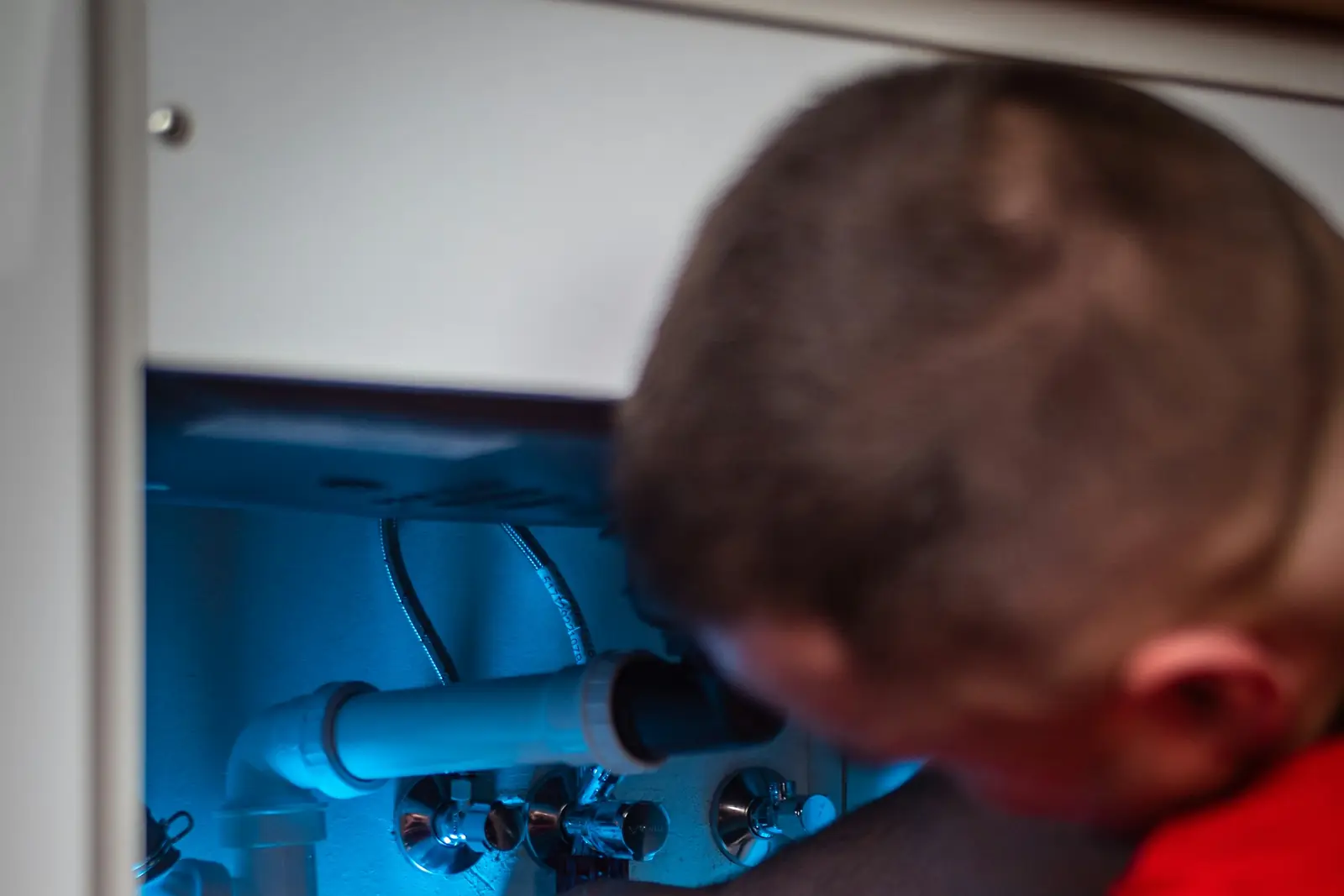
Most plumbing problems start small. A drip, a toilet cistern that refills every few minutes, a bit of water in the cupboard under the sink. They are easy to live with for a while, but water always finds a way – into floors, ceilings, skirting boards and, eventually, the room below.
Repairs and maintenance make up a large share of what plumbers do day to day. Replacing a worn tap cartridge, fixing a running cistern, curing a weeping joint, clearing a blocked toilet or replacing a seized stopcock is routine work for an experienced plumber, and doing it early is almost always cheaper than dealing with the damage later.
Describe the problem – where it is, what you've noticed and how long it's been going on – and plumbers who cover your area can get back to you. If water is actively escaping, turn it off at the stopcock first.
Repair and maintenance jobs plumbers quote for
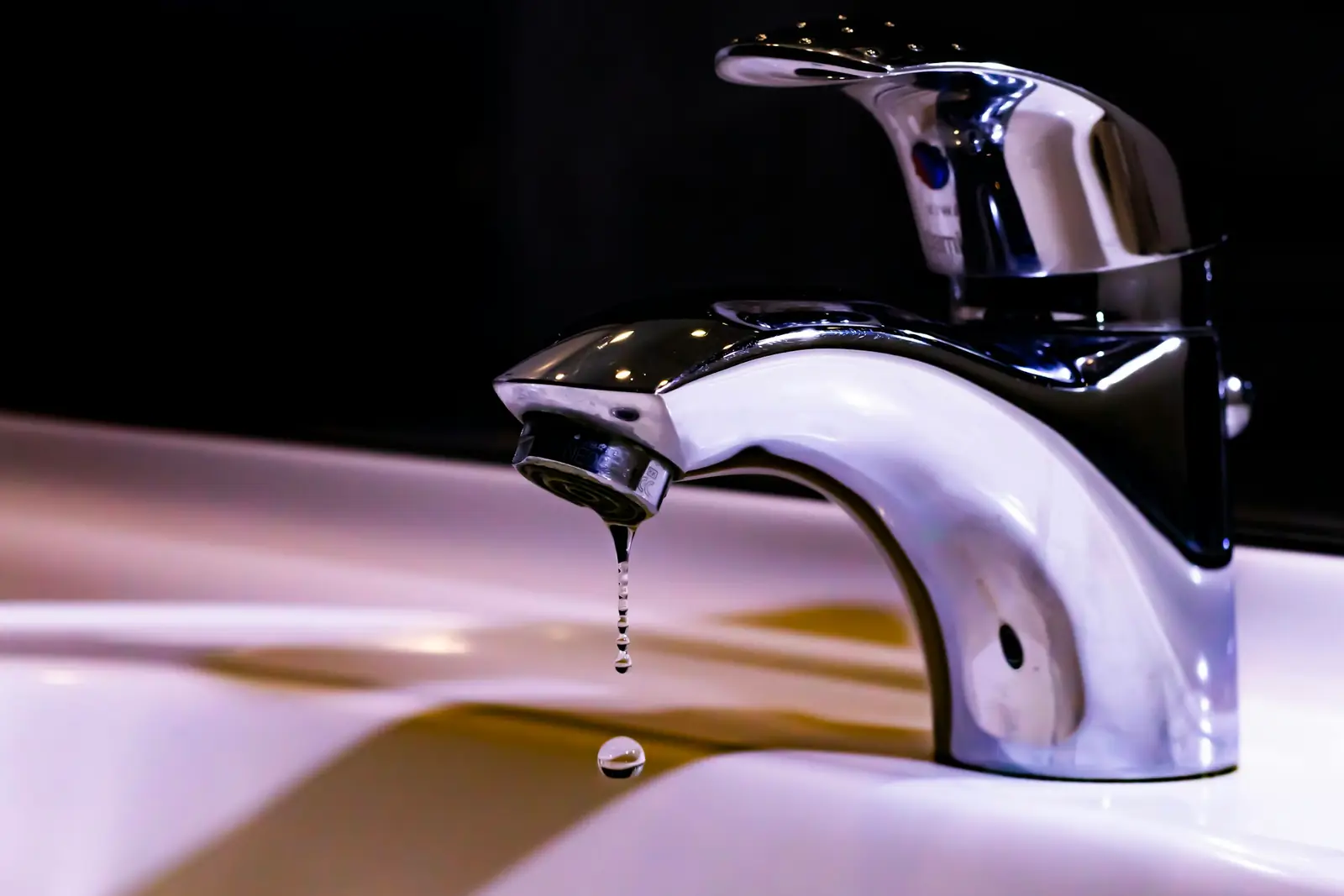
Leaking and dripping taps
Replacing washers, ceramic cartridges and O-rings, or the whole tap if it's beyond repair, on kitchen, basin and bath taps.
Leaking pipes and joints
Tracing and repairing weeping compression joints, failed push-fit fittings, corroded pipework and leaks under sinks and baths.
Burst pipes
Repairing pipes split by frost or damage, and replacing sections of old pipework so the problem doesn't come back.
Faulty and blocked toilets
Running cisterns, weak or failing flushes, leaks at the base or from the cistern, and blockages a plunger won't shift.
Sinks, basins and wastes
Slow or blocked sinks, smelly traps, leaking wastes and loose or cracked basins.
Stopcocks, valves and maintenance
Replacing seized stopcocks and isolating valves, lagging pipes, and checking a property's plumbing before winter or a sale.
Water leaks, leaking taps and leaking pipes
A dripping tap is the most familiar leak in any home. In older taps it's usually a perished washer; in modern mixers and quarter-turn taps it's a worn ceramic cartridge or O-ring. Either way, it's a quick repair – as long as the right part is available, which is why many plumbers ask for a photo of the tap first.
Leaking pipes are less obvious. Compression joints under sinks can weep for months, leaving a stain on the cupboard base; push-fit joints can let go if a pipe isn't fully inserted; and old copper or iron pipework can corrode through. Under floors and inside walls, the first sign may be a damp patch, lifting flooring, a musty smell or a water bill that's crept up.
Hidden leaks sometimes need specialist leak detection – thermal imaging, acoustic equipment or pressure testing – before anything is opened up. Many home insurance policies include 'trace and access' cover for this, so it's worth checking your policy before work starts.
Burst pipes and frozen pipes
Pipes burst when the water inside them freezes and expands, when old pipework fails, or when a nail or screw goes through one. Frozen pipes often don't leak until they thaw, so a cold snap followed by a sudden mild spell is when plumbers' phones ring most.
If a pipe bursts, turn off the water at the stopcock straight away, open the cold taps to drain the system, and switch off the electricity at the consumer unit if water is anywhere near light fittings, sockets or the consumer unit itself – but only if you can reach it safely. Then call a plumber. Once the immediate repair is done, it's worth asking why the pipe burst: pipes in lofts, garages, outside walls and empty properties benefit from lagging, and outside taps should be isolated and drained before winter.
Faulty and blocked toilets
A toilet that keeps running, refills on its own or trickles into the pan is usually caused by a faulty fill valve or a worn flush valve seal. As well as being noisy, it can waste a surprising amount of water – a real cost if you're on a meter. Weak flushes, handles that need jiggling and buttons that stick have similar causes and similar fixes.
Water around the base of the toilet is more urgent. It may be a leaking pan connector, a cracked pan, a leaking cistern-to-pan seal or condensation – a plumber will check which before anything is replaced. Blocked toilets that a plunger won't clear may need the pan removing, or a drain cleared further down; if more than one fitting is affected, the blockage is likely in the drain and may need a drainage specialist.
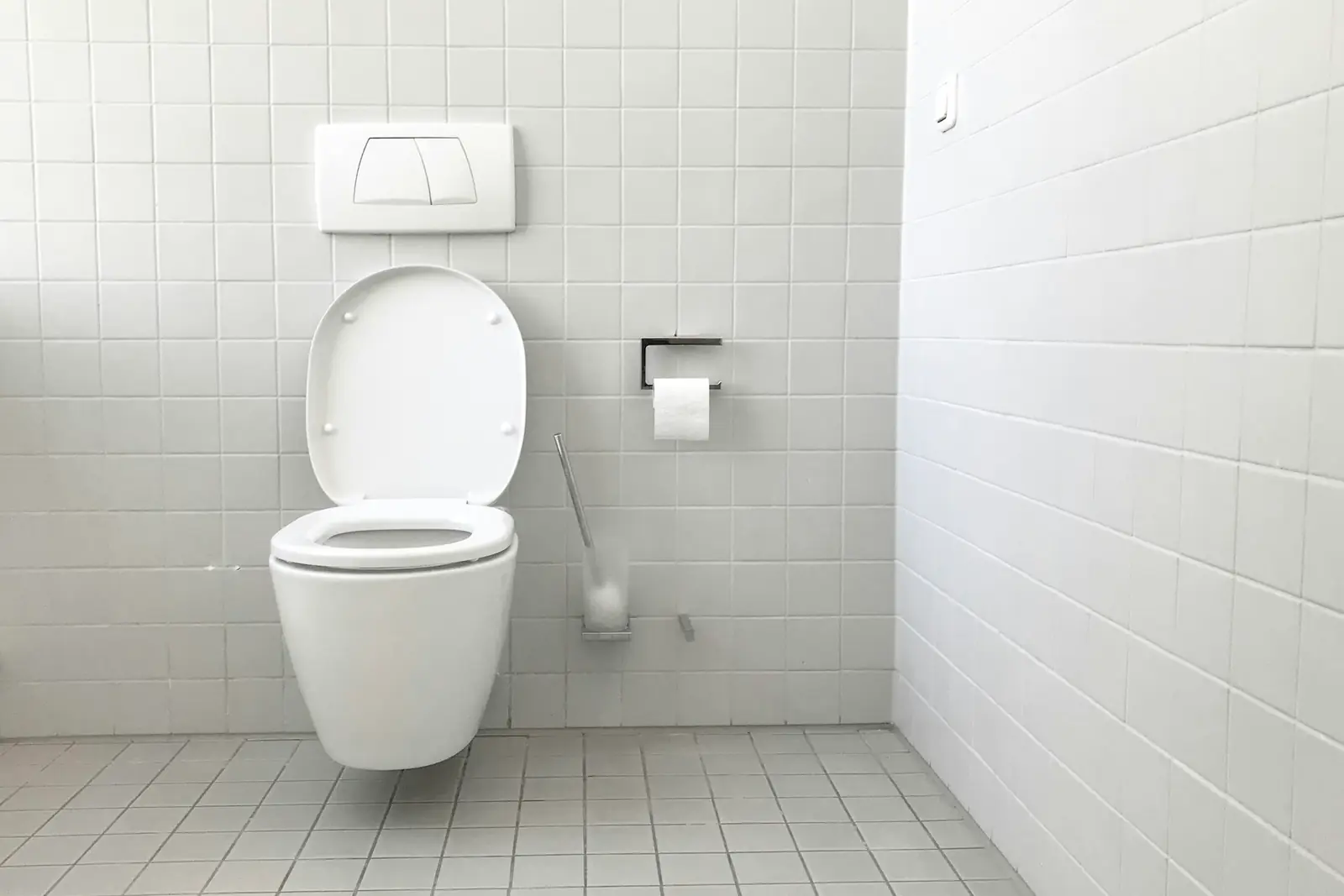
Sink, basin and tap repairs
Slow-draining sinks and basins are normally caused by a build-up of grease, soap or hair in the trap and waste. Plumbers can remove and clean traps, clear wastes and replace them if they're cracked or poorly laid. A sink that smells, even when it drains properly, can mean a trap that's losing its water seal – something worth getting looked at.
Taps that are stiff, loose on the basin, spraying from the base or impossible to turn off fully are all common repair jobs. If the tap is old or parts aren't available, replacement is often the better value – especially as a new tap usually means new isolating valves and connectors too.
Water supply pipes, stopcocks and pressure
Every home has an internal stopcock that turns the water off to the whole property, usually under the kitchen sink, in a downstairs cloakroom or where the supply comes up through the floor. Older stopcocks often seize because they haven't been turned for years, which is the last thing you want to discover during a leak. Replacing a stuck stopcock is a straightforward job and one of the most worthwhile pieces of plumbing maintenance you can do.
In general, homeowners are responsible for the supply pipe from the boundary of their property into the house, and the water company for the pipe up to that point. Leaks on the supply pipe, low pressure throughout the house or discoloured water may need the water company as well as a plumber. Older homes may still have lead supply pipes – replacing them is recommended, and some water companies offer help when you do.
Plumbing maintenance and emergencies
A little maintenance prevents a lot of repairs. Plumbers can check a property's visible pipework, valves and fittings, replace failing isolating valves, re-lag pipes in cold spaces, descale showers and taps in hard water areas and make sure everyone in the house knows where the stopcock is. Landlords and people buying or selling a home often ask for exactly this kind of check.
Some problems can't wait. Water you can't stop, water near electrics, a burst pipe or a blocked toilet when it's the only one in the house need attention quickly. Requesting quotes is best for repairs that can wait a day or two; in a genuine emergency, turn off the water at the stopcock and call a plumber who offers emergency call-outs directly.
- Find and test the stopcock – and replace it if it's seized
- Fit isolating valves to toilets, taps and appliances that don't have them
- Lag pipes in lofts, garages and outside walls before winter
- Isolate and drain outside taps in cold weather
- Check under sinks and around baths and toilets for slow leaks
- Descale shower heads, aerators and valves in hard water areas
When a repair can wait – and when it can't
A dripping tap, a slow sink or a toilet that runs occasionally can usually wait a few days while you get quotes – which is exactly what this service is for. Take photos, note when the problem happens and, if you can, turn off the isolating valve to the affected fitting in the meantime.
Don't wait if water is escaping and you can't stop it, if water is coming through a ceiling or near electrics, or if you have no working toilet or no water at all. Turn the water off at the stopcock and call a plumber for an emergency visit. If you smell gas, leave the property and call the National Gas Emergency number on 0800 111 999 – that's not a plumbing repair.
Safety points
- Know where your stopcock is and check that it turns. If it's seized, ask a plumber to replace it before you need it in an emergency.
- If water is near light fittings, sockets or the consumer unit, switch off the electricity at the consumer unit if it's safe to reach – and don't touch electrics with wet hands.
- Any work on gas pipes or gas appliances must by law be done by a Gas Safe registered engineer.
- If you notice a leak outside your property boundary, or water bubbling up in the pavement, report it to your water company rather than calling a plumber.
Typical plumbing repair prices
Indicative UK prices, including labour and standard parts. Many plumbers charge a minimum call-out or first hour; out-of-hours and emergency work costs more. Prices are often higher in London and the South East.
| Job | Typical UK price |
|---|---|
| Plumber's hourly rate | £45–£90 per hour |
| Call-out or first hour (daytime) | £60–£120 |
| Out-of-hours emergency call-out | £100–£250+ |
| Fix a dripping tap (washer or cartridge) | £70–£150 |
| Repair a running toilet (fill or flush valve) | £90–£200 |
| Clear a blocked toilet or sink (no drain jetting) | £70–£150 |
| Repair an accessible leaking pipe or joint | £90–£250 |
| Replace a seized stopcock | £120–£250 |
Prices are indicative only and include VAT where the plumber is VAT-registered. Always get written quotes for your specific job.
More examples, including hourly rates and call-out charges, are in our plumber cost guide.
What affects the price
- Time of day
- Evenings, weekends and bank holidays usually cost more than a booked weekday visit.
- Access to the problem
- A leak under a sink is quick to reach; one under floorboards or behind tiles takes longer and may need making good.
- Parts
- Common washers and valves are cheap; specific cartridges for designer taps and showers can be expensive or need ordering.
- Age of the pipework
- Old, corroded or non-standard pipework can turn a small repair into replacing a section.
- Diagnosis
- Hidden leaks may need specialist detection before the repair itself can be priced.
- Minimum charges
- Many plumbers have a minimum charge, so grouping several small jobs into one visit is better value.
Comparing plumbing repair quotes
- Whether the price is fixed or based on time – and the minimum charge
- What the call-out fee covers, and whether it's deducted from the repair
- Which parts are included and what happens if a part needs ordering
- How the plumber will make good if floors or walls need opening
- Out-of-hours rates if the job can't wait
- Any guarantee on the repair and on the parts
- Public liability insurance
- Payment terms and how you'll be invoiced
Request plumbing repair quotes
Describe the job, add your postcode and compare quotes from local plumbers. It's free, and you're under no obligation to go ahead.
Get free plumbing repair quotes
Describe your plumbing job once and compare quotes from local plumbers who cover your area.
- Free to use
- No obligation
- Compare local plumbers
- Quick online form
You'll continue to our quotes partner, MyJobQuote, to describe your plumbing job.
Plumbing Repairs & Maintenance near you
You can request plumbing repair quotes anywhere in the UK. These cities have their own local plumbing repairs guide:
Plumbers in more towns and cities
Guides for plumbing repairs
- What to do in a plumbing emergencyA burst pipe or water pouring through a ceiling is stressful, but a few calm steps in the first minutes can save a lot of damage – and money.
- Signs of a hidden water leakNot every leak announces itself with a drip. Some of the most damaging ones are under floors and behind walls, and the clues are easy to miss.
- Why does my toilet keep running?A cistern that hisses, trickles or refills on its own every few minutes is one of the most common plumbing faults in UK homes – and usually one of the easiest to fix.
- How to unblock a toilet (and when to call a plumber)A blocked toilet is unpleasant but rarely complicated. Here's what you can safely try, what to avoid, and how to tell when the blockage is somewhere a plunger won't reach.
- Toilet won't flush properly? Causes and fixesA weak flush, a lever that needs several pumps or a button that does nothing at all usually comes down to a handful of worn or broken parts inside the cistern.
- Water around the base of the toiletA puddle behind the toilet is easy to ignore and expensive to leave. It can rot floors and ceilings below – so it's worth finding the cause quickly.
Plumbing Repairs & Maintenance: frequently asked questions
How much does a plumber charge to fix a leak?
A simple, accessible leak – a dripping tap or a weeping joint under a sink – is often in the region of £70–£250 including parts. Hidden leaks under floors or behind walls cost more, especially if leak detection or making good is needed.
Can a plumber fix a burst pipe the same day?
Often, yes, if a plumber is available and the pipe is accessible. In a cold snap plumbers get very busy, so turn off the stopcock, drain the system and call a plumber who offers emergency call-outs if it can't wait.
Why does my toilet keep running?
Usually a faulty fill valve that doesn't shut off, or a worn seal on the flush valve letting water trickle into the pan. Both are routine repairs and the parts are widely available.
Who is responsible for a leaking water supply pipe?
Generally, the homeowner is responsible for the supply pipe from the property boundary into the house, and the water company for the pipe up to the boundary. If you think the leak is in the street, report it to your water company.
Should I get a plumber or a drainage company for a blocked toilet?
Start with a plumber if only one toilet or sink is affected. If several fittings are slow or the outside gully is overflowing, the blockage is probably in the drain, and a drainage company with jetting equipment may be needed.
Is it worth paying for plumbing maintenance?
For most homes, a check every few years – or when you buy a property – is good value. Replacing a seized stopcock, fitting isolating valves and lagging pipes is cheap compared with the cost of a leak that can't be stopped quickly.
Ready to get plumbing repair quotes?
One short form, local plumbers, no obligation.
Get Plumber Quotes