Where the water is going
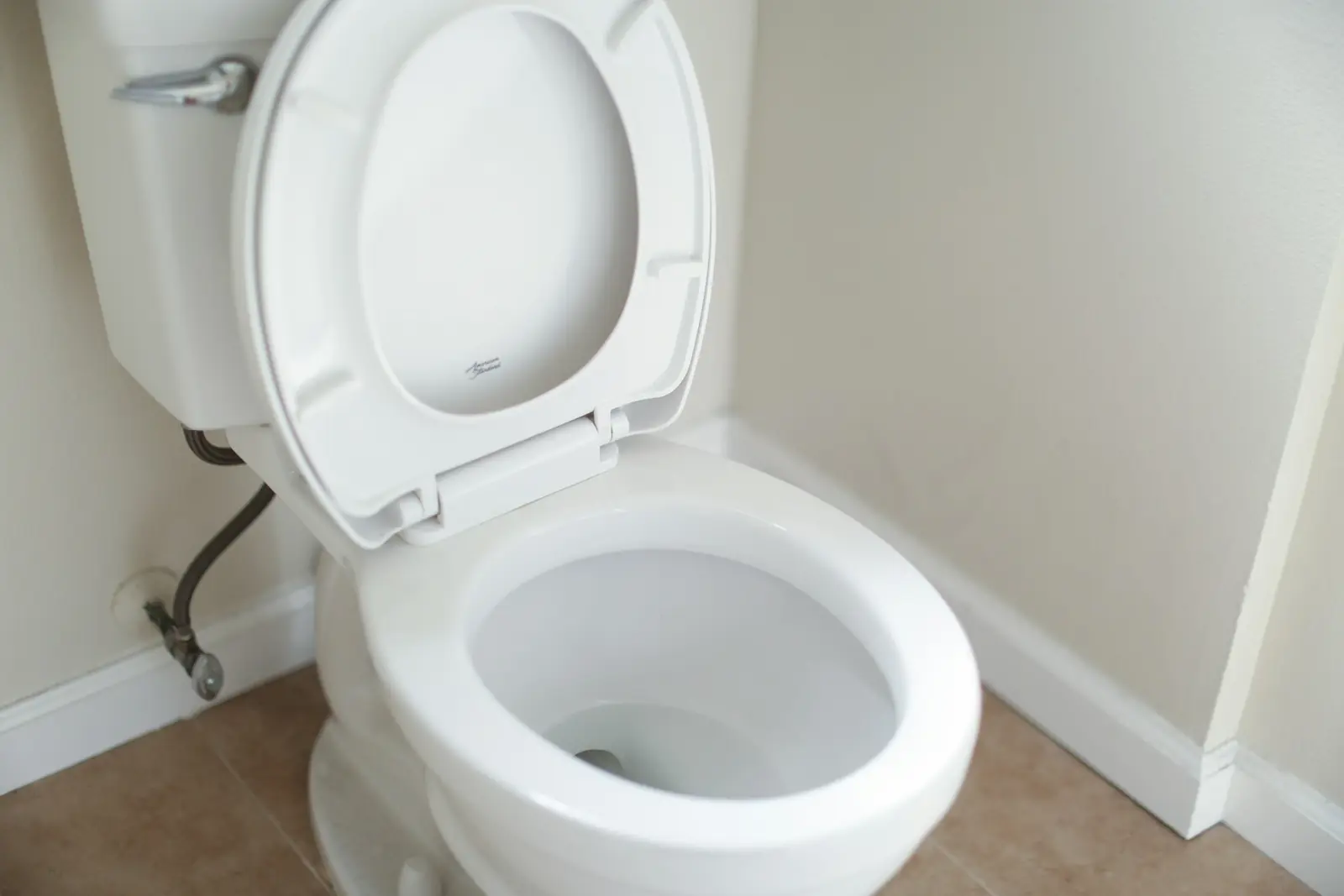
A running toilet is losing water somewhere, and the first job is to work out where. Lift the cistern lid (carefully – they're heavy and break easily) and watch what happens after a flush. There are really only three places the water can go: down into the pan, out through an overflow, or nowhere at all because the fill valve simply never switches off.
If you can see a thin, steady trickle running down the back of the pan long after the cistern has refilled, water is getting past the flush valve. If water is dribbling from a small pipe on the outside wall, or the level inside the cistern keeps rising to the overflow, the fill valve isn't shutting off. Both are routine repairs.
A worn flush valve seal
Most modern toilets with push-button flushes use a drop valve: a plastic valve that lifts to release water and drops back onto a rubber seal. Over time the seal wears, distorts or collects scale and grit, and water seeps past it into the pan. You may hear the cistern topping itself up every so often, even when no one has used the toilet.
Sometimes cleaning the seal and seat is enough. More often the seal or the whole flush valve is replaced. Older lever-operated toilets use a siphon instead, which rarely leaks into the pan but can fail in other ways – see our guide to toilets that won't flush.
Need a plumber for this?
Describe the job and compare free quotes from plumbers near you.
- Free to use
- No obligation
- Compare local plumbers
- Quick online form
You'll continue to our quotes partner, MyJobQuote, to describe your plumbing job.
A fill valve that won't shut off
The fill valve – often called the ball valve or float valve – lets water into the cistern and closes when a float rises to the right level. If the float is set too high, sticks, or the valve's washer or diaphragm is worn, water keeps coming in and spills into the overflow.
In many older homes the overflow runs to a pipe through the wall, so you'll see water dripping outside. In newer cisterns the overflow drains into the pan, which is safer but much less noticeable. Adjusting the float can solve it; a worn or scaled valve is usually replaced, as new valves are inexpensive and quieter than the old ones.
When to call a plumber
If you're comfortable turning off the isolating valve on the toilet's supply and working inside the cistern, simple adjustments are within reach. But concealed cisterns behind walls, close-coupled toilets where the cistern has to come off the pan, and fittings you don't recognise are best left to a plumber, who will bring the right parts and check for leaks afterwards.
- The toilet has no isolating valve, or the valve won't turn
- The cistern is concealed in a wall or furniture
- Water is leaking from the bottom of the cistern or around bolts
- You've replaced a part and it still runs
- The overflow pipe outside is dripping constantly