Do you have hard water?
Water picks up calcium and magnesium as it passes through chalk and limestone. London, the South East and East of England have some of the hardest water in the UK, while much of Scotland, Wales, the North West and South West has soft water. Your water company publishes the hardness for your postcode.
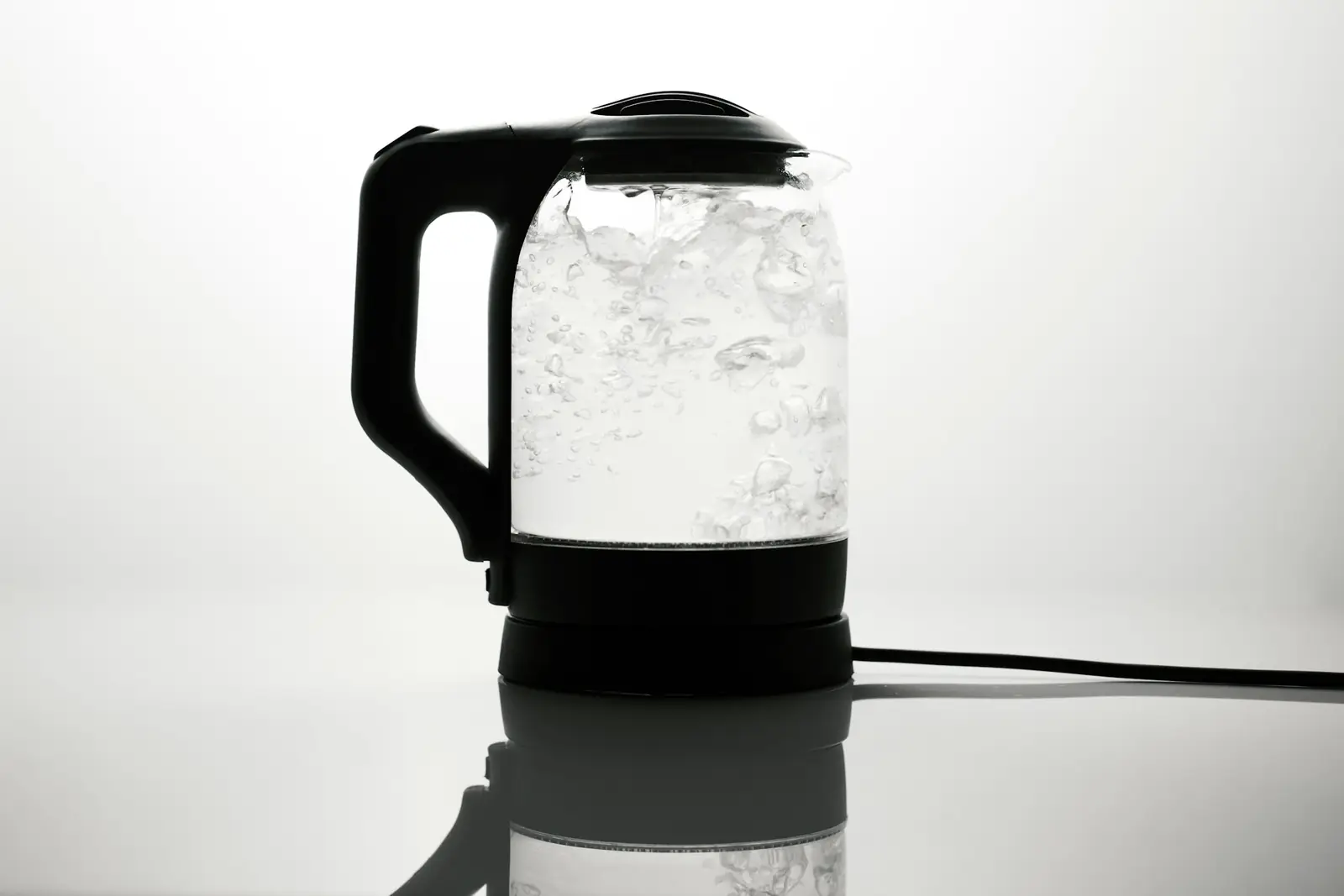
White crust on taps and shower screens, a furred-up kettle and soap that won't lather easily are the everyday signs.
How limescale affects plumbing
- Tap cartridges and washers wear faster and start to drip
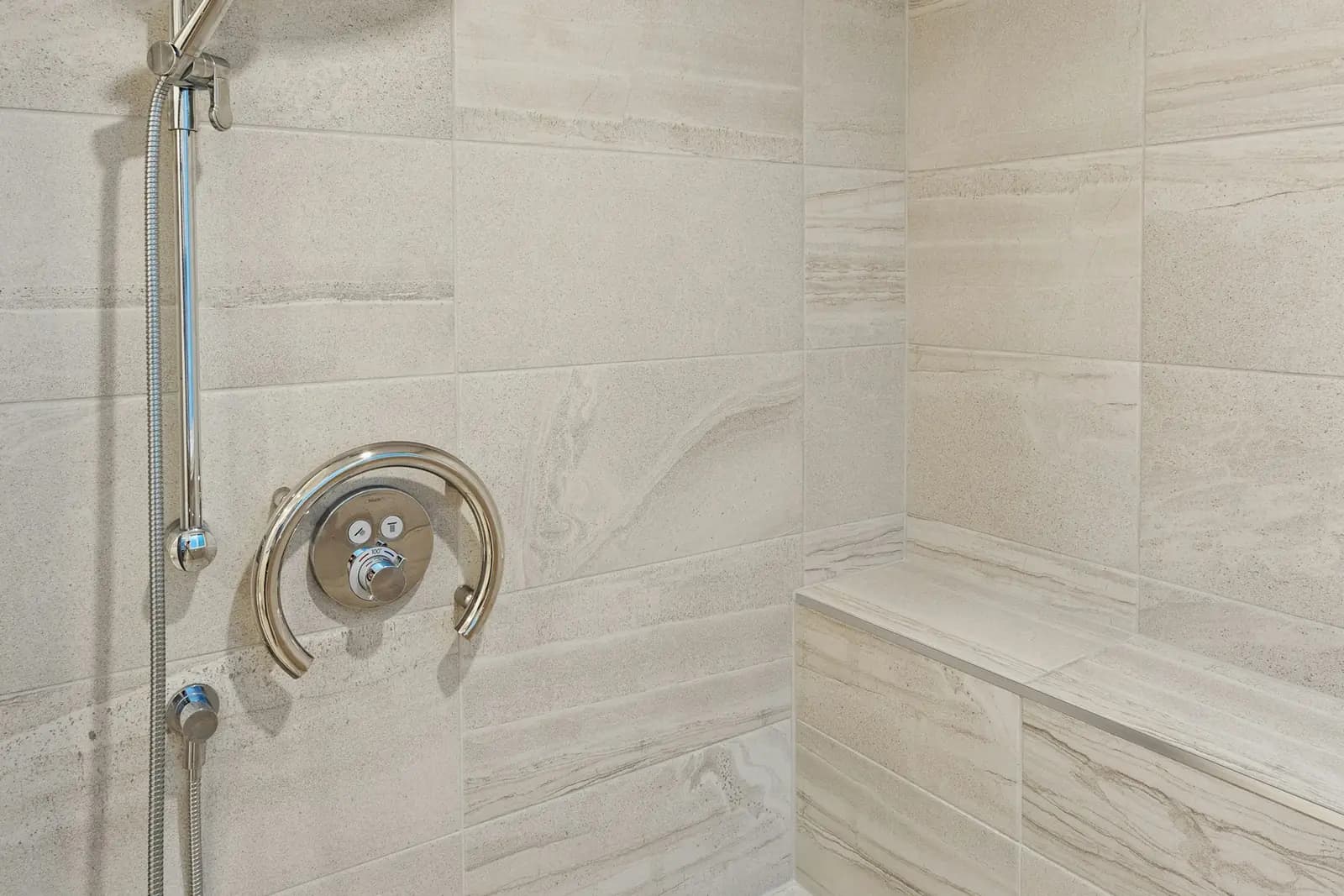
- Shower heads clog, and thermostatic cartridges stick
- Electric shower and immersion heater elements scale up and fail sooner
- Toilet fill valves stick and cisterns run on
- Combi boiler heat exchangers lose efficiency
- Washing machines and dishwashers work harder
Need a plumber for this?
Describe the job and compare free quotes from plumbers near you.
- Free to use
- No obligation
- Compare local plumbers
- Quick online form
You'll continue to our quotes partner, MyJobQuote, to describe your plumbing job.
Everyday care
Regularly cleaning shower heads, tap aerators and screens with a descaling solution or diluted white vinegar keeps flow healthy. Wiping screens and taps dry after use reduces visible scale. Descaling kettles regularly helps them boil efficiently.
Longer-term solutions
A water softener removes hardness and is the most effective option, though it needs space, salt and an unsoftened drinking water tap. Scale reducers and inhibitors are cheaper and protect specific equipment, such as a combi boiler, without softening the water. A plumber can recommend what suits your home and budget.