How softeners work
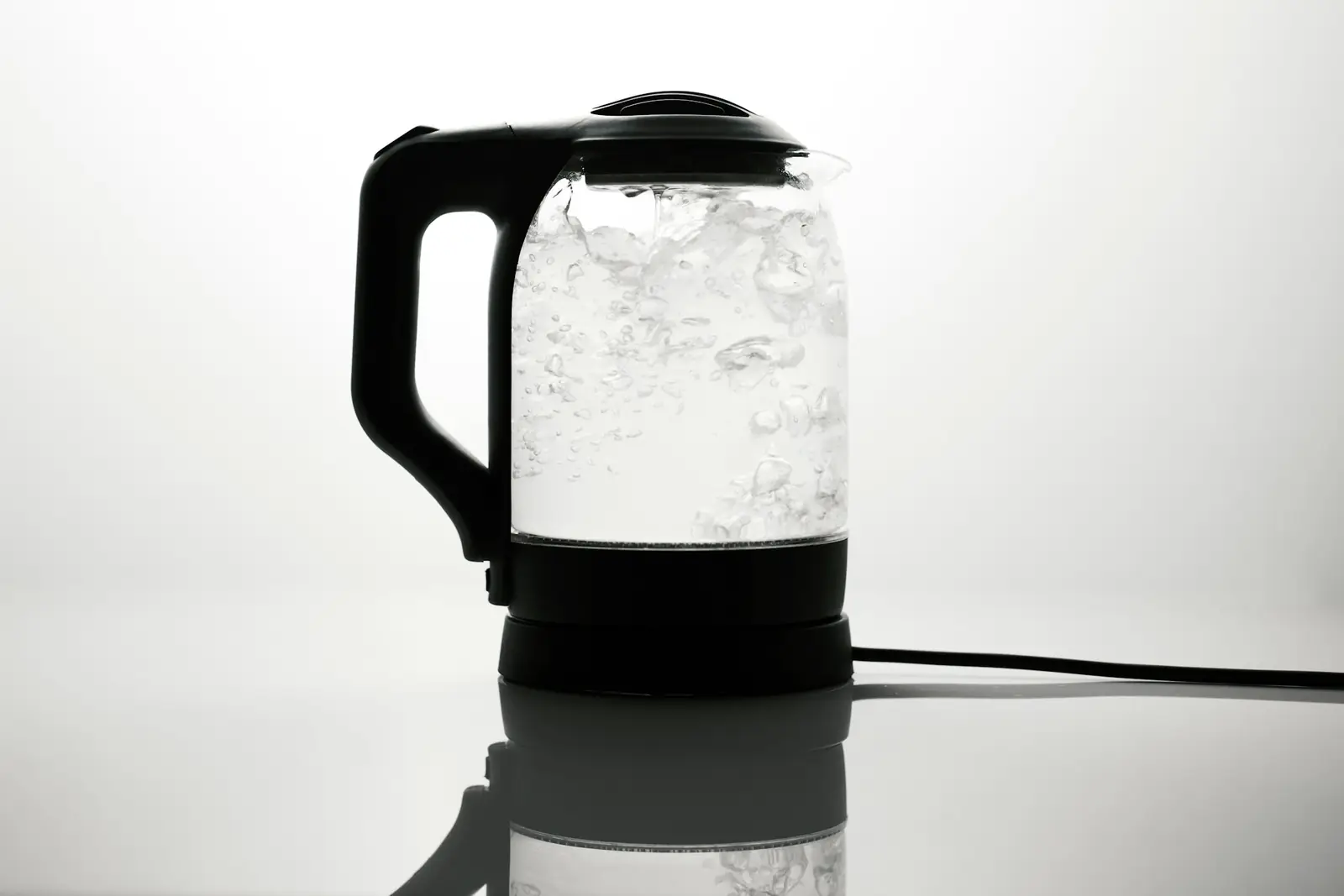
Hard water contains dissolved calcium and magnesium, which form limescale when heated or left to dry. Most domestic softeners use ion exchange: water passes through a resin that swaps the hardness minerals for sodium. Periodically, the softener cleans the resin with brine from salt you top up, flushing the minerals to the drain.
Do you need one?
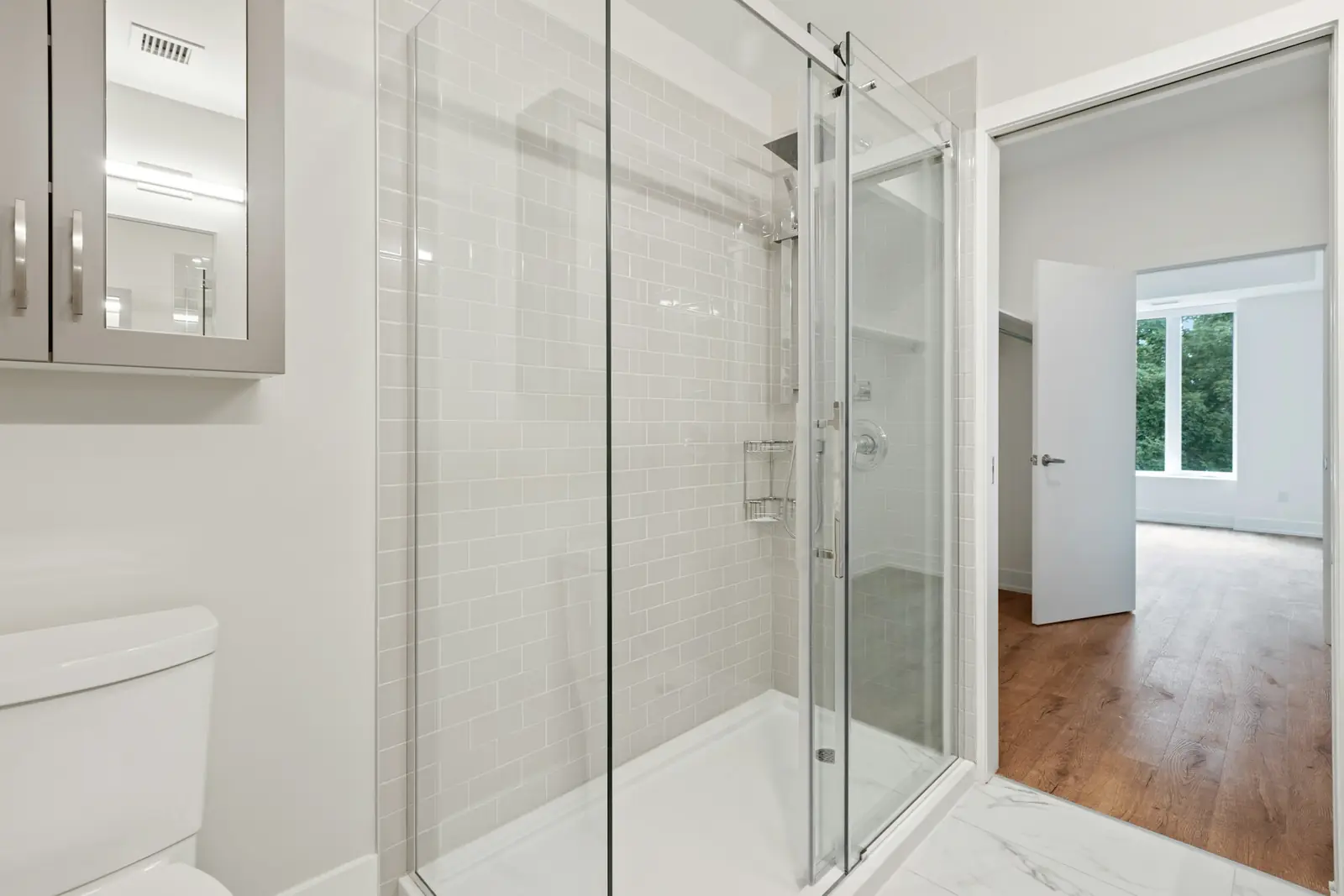
Check your water hardness – your water company publishes it by postcode. If you live in a hard water area and are fed up with scale on taps, screens and kettles, or you're installing a new boiler, shower or kitchen, a softener may be worthwhile. In soft water areas, there's no need.
- Less scale on taps, showers, screens and kettles
- Helps protect boilers, cylinders and appliances from scale
- Needs space, a drain connection and regular salt
- Has an upfront cost and ongoing running costs
Need a plumber for this?
Describe the job and compare free quotes from plumbers near you.
- Free to use
- No obligation
- Compare local plumbers
- Quick online form
You'll continue to our quotes partner, MyJobQuote, to describe your plumbing job.
Drinking water
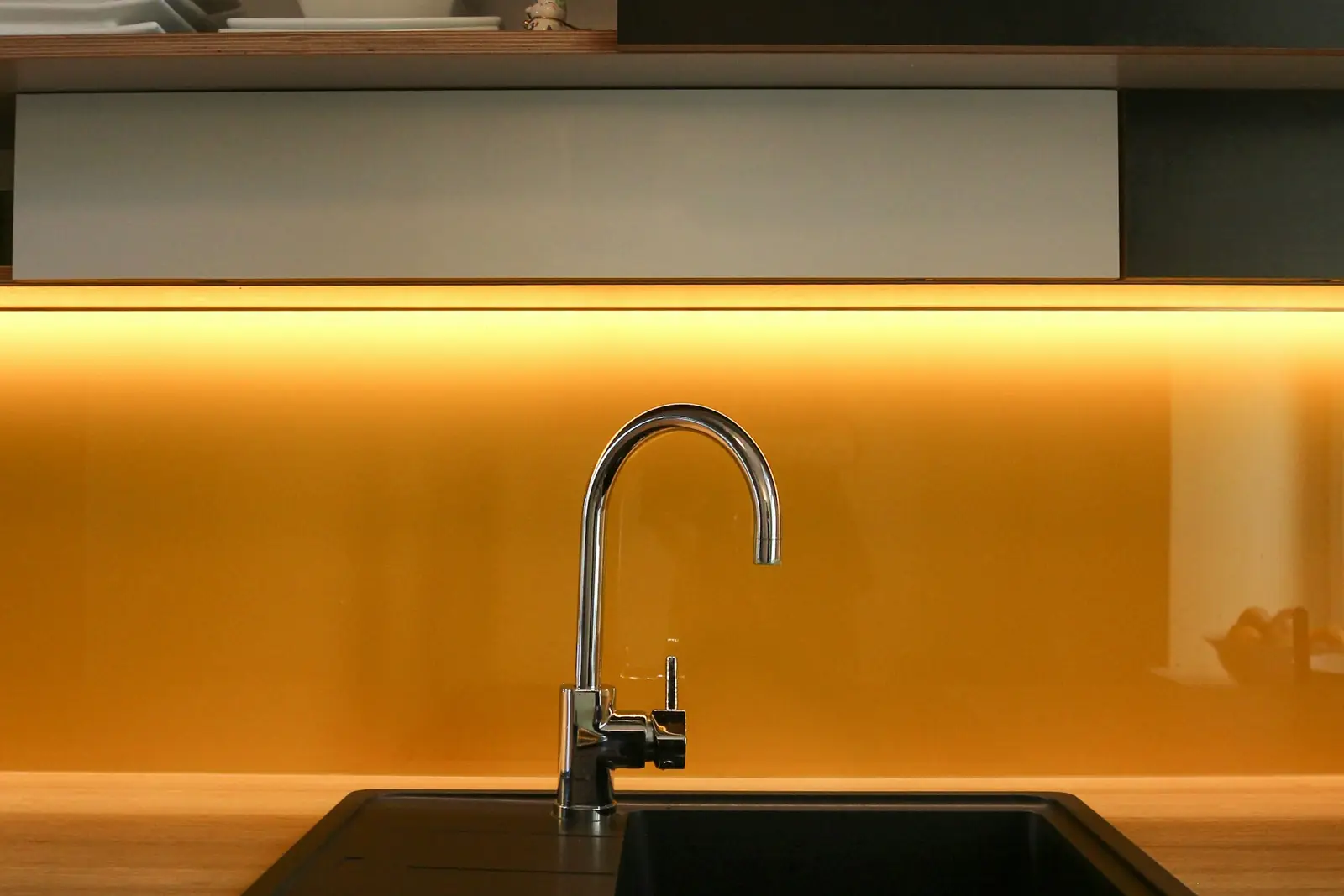
Softened water contains slightly more sodium, so it's generally recommended to keep an unsoftened tap – usually in the kitchen – for drinking and cooking. Softened water isn't recommended for making up baby formula. A plumber will normally fit the softener so that the drinking tap bypasses it.
Alternatives
Scale reducers and inhibitors don't remove hardness but aim to reduce how much scale forms, often fitted to protect a combi boiler. In hard water areas, some form of scale protection is commonly expected when a new combi boiler is installed. They're cheaper than softeners but less effective at preventing visible scale.