What kind of tap do you have?
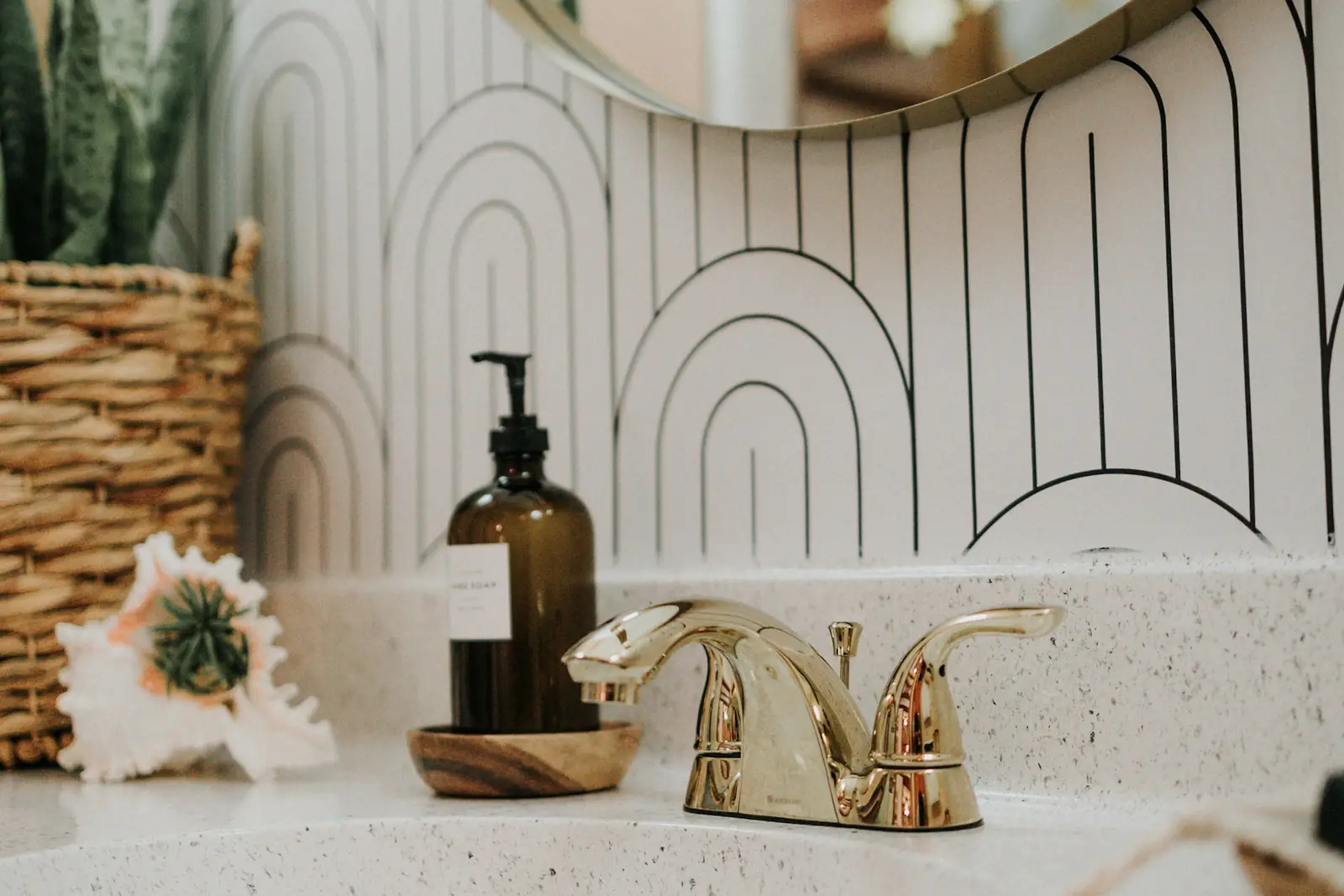
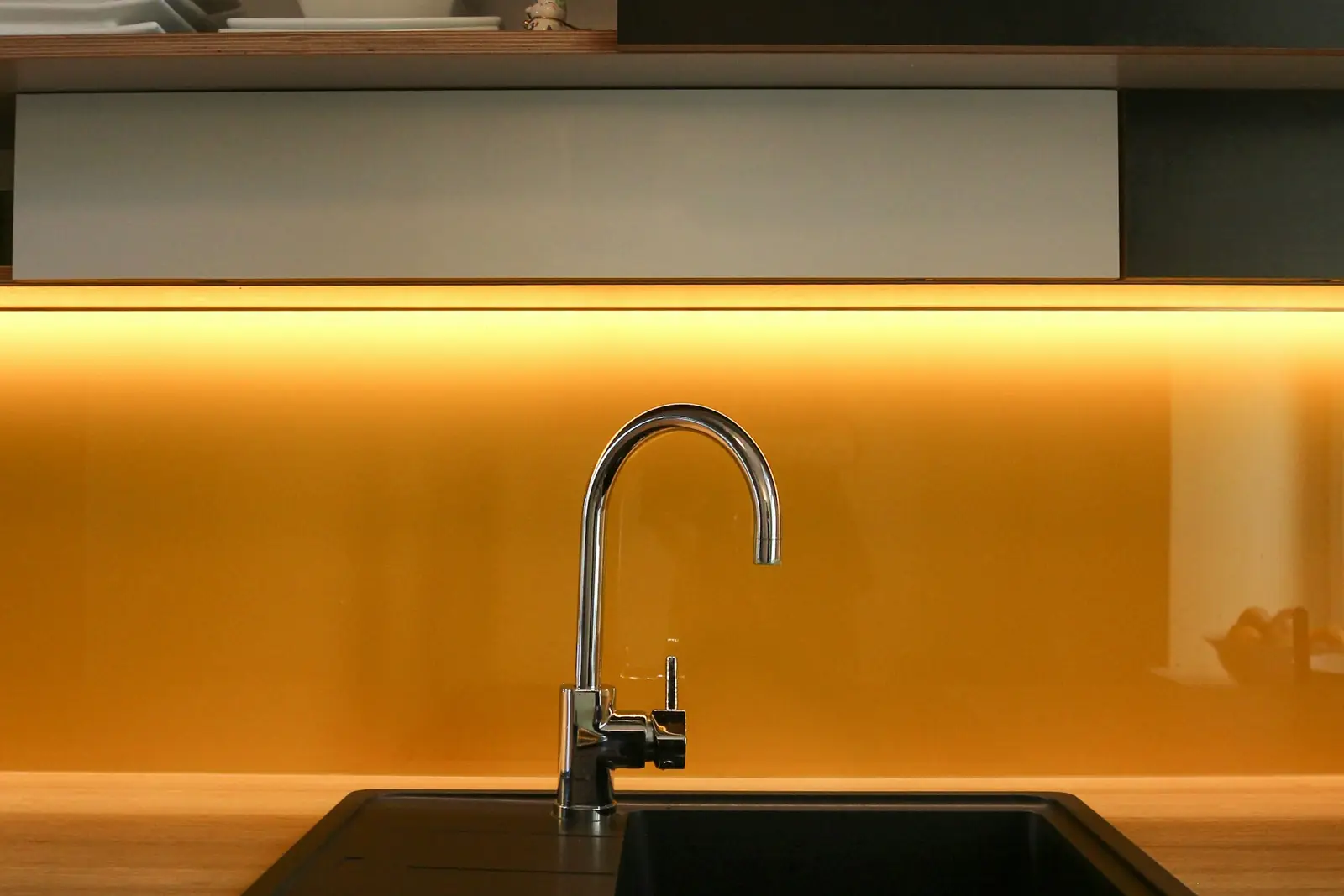
Older pillar taps that need several turns to open and close use a rubber washer that presses down onto a seat. Taps that go from off to fully on in a quarter or half turn use ceramic discs inside a cartridge. Single-lever mixers use a cartridge that controls both temperature and flow.
Knowing the type tells you what has worn out. Washer taps drip when the rubber hardens or the seat beneath it is damaged. Ceramic and lever taps drip when the cartridge wears, cracks or gets grit or scale between the discs.
Drips from the spout, the base or the handle
Where the water appears helps too.
- From the spout when the tap is off – washer, seat or cartridge
- From around the handle when the tap is on – a worn O-ring or gland
- From the base of a mixer spout – worn O-rings on the swivel spout
- Under the sink – the tap connectors or isolating valves, not the tap itself
Need a plumber for this?
Describe the job and compare free quotes from plumbers near you.
- Free to use
- No obligation
- Compare local plumbers
- Quick online form
You'll continue to our quotes partner, MyJobQuote, to describe your plumbing job.
Repair or replace?
Washers and O-rings are cheap and quick to replace. Cartridges cost more and must match the tap exactly, which is why plumbers often ask for a photo or the make of the tap before visiting. If the tap is old, parts are hard to find, or the body is corroded, a new tap is often the better choice – and it's a good moment to fit new isolating valves and connectors.
In hard water areas, scale wears washers and cartridges faster. Descaling the aerator and cartridge can buy time, but frequent drips usually mean the part needs replacing.
Why it's worth fixing
Even a slow drip wastes water over time and, from a hot tap, energy. It can stain basins, leave scale marks and, if the drip is from a connection under the sink, damage the cabinet. Most dripping taps are a short job for a plumber, especially if you can group it with other small repairs.