The internal stopcock
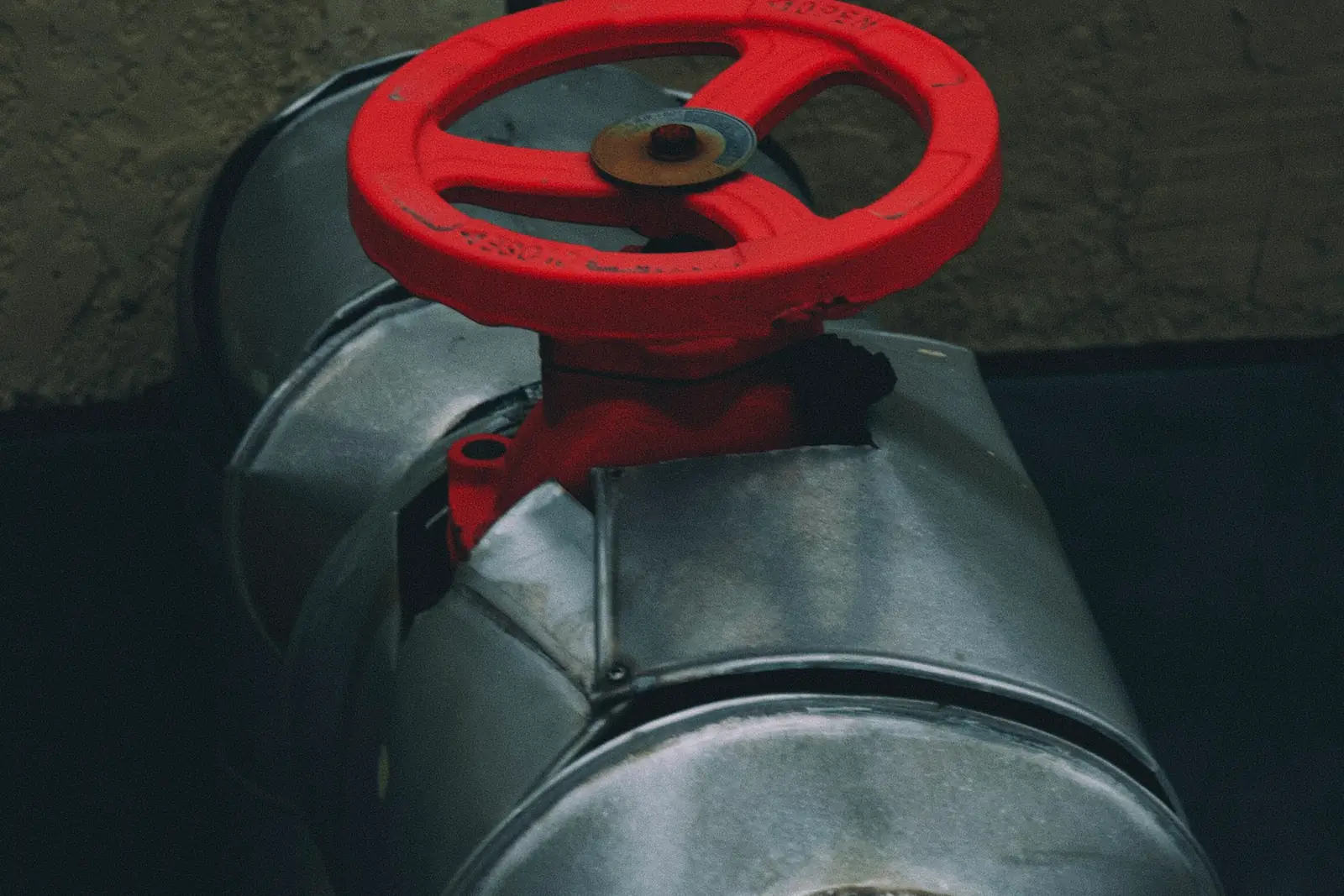
The internal stopcock controls the water supply to the whole house. It's usually where the supply pipe enters the property: under the kitchen sink, in a downstairs cloakroom or utility, under the stairs, in a cellar, or under a floorboard near the front door. In flats, look in kitchen, bathroom and hallway cupboards.
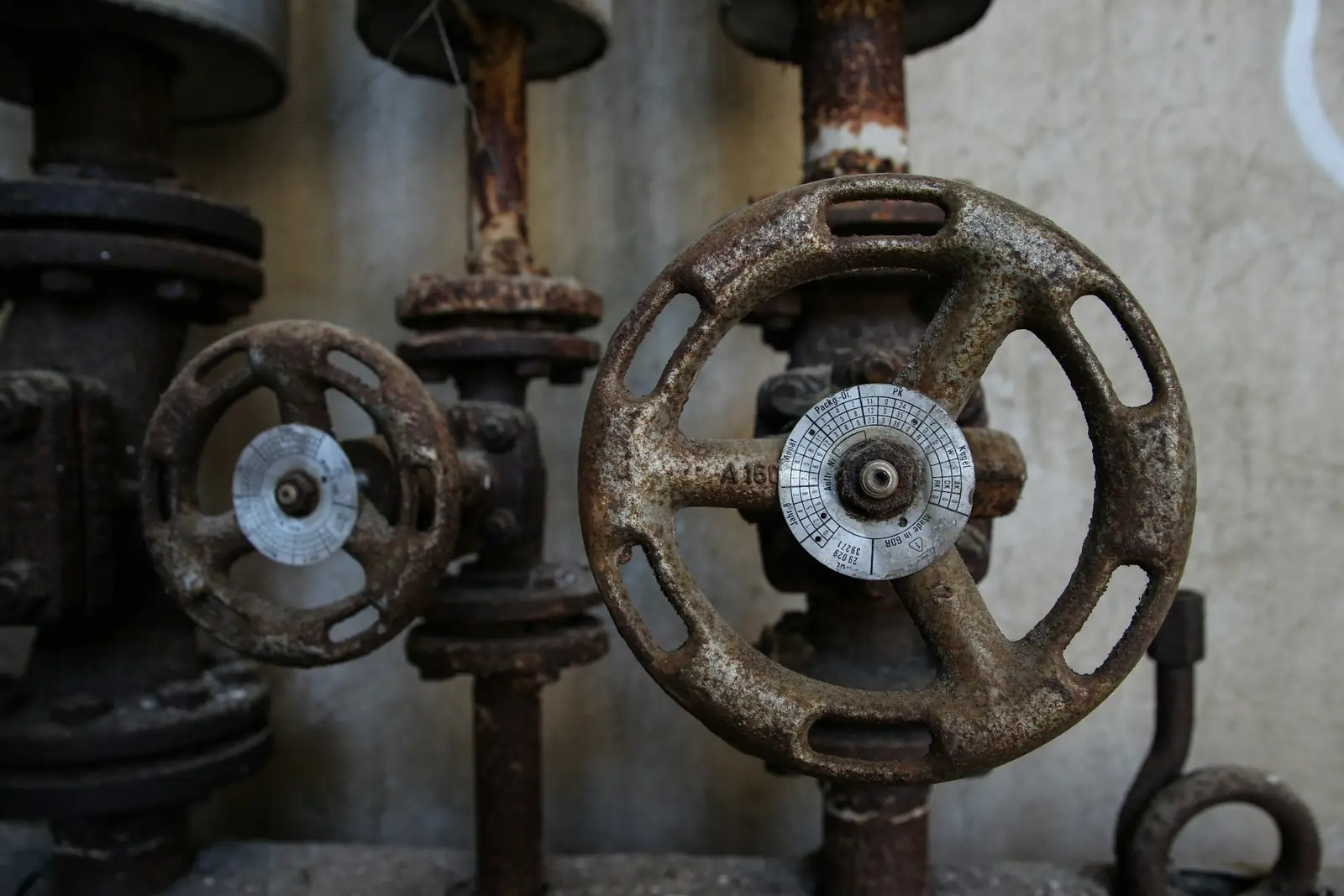
Turn it clockwise to close. If it's been untouched for years, it may be stiff – don't force it, as old stopcocks can snap.
The external stop tap
Outside, usually under a small cover in the pavement or front garden, there's often an external stop tap or a water meter chamber. It may serve only your property or be shared, and it may need a special key. It's useful if the internal stopcock fails, but it isn't always easy to find or operate – your water company can advise.
Need a plumber for this?
Describe the job and compare free quotes from plumbers near you.
- Free to use
- No obligation
- Compare local plumbers
- Quick online form
You'll continue to our quotes partner, MyJobQuote, to describe your plumbing job.
Isolating valves
Isolating valves let you turn off the water to a single fitting – a tap, toilet or appliance – without affecting the rest of the house. The most common type is a small service valve with a slot: when the slot lines up with the pipe, it's open; turned across the pipe, it's closed. Appliance valves often have a blue or red lever.
In homes with a loft tank, gate valves on the pipes leaving the tank control the tank-fed supplies, such as the hot water cylinder and bathroom cold taps.
- Toilets: on the supply pipe to the cistern
- Taps: under the sink or basin, on each supply
- Washing machines and dishwashers: appliance valves
- Loft tank: gate valves on the outlet pipes
- Outside taps: an isolating valve inside the house
Testing and replacing
Test your stopcock once or twice a year by turning it off and on again. If it's seized, leaks from the spindle or doesn't stop the water completely, ask a plumber to replace it. Fitting isolating valves to fittings that don't have them is another inexpensive improvement that makes every future repair easier.