Before the cold arrives
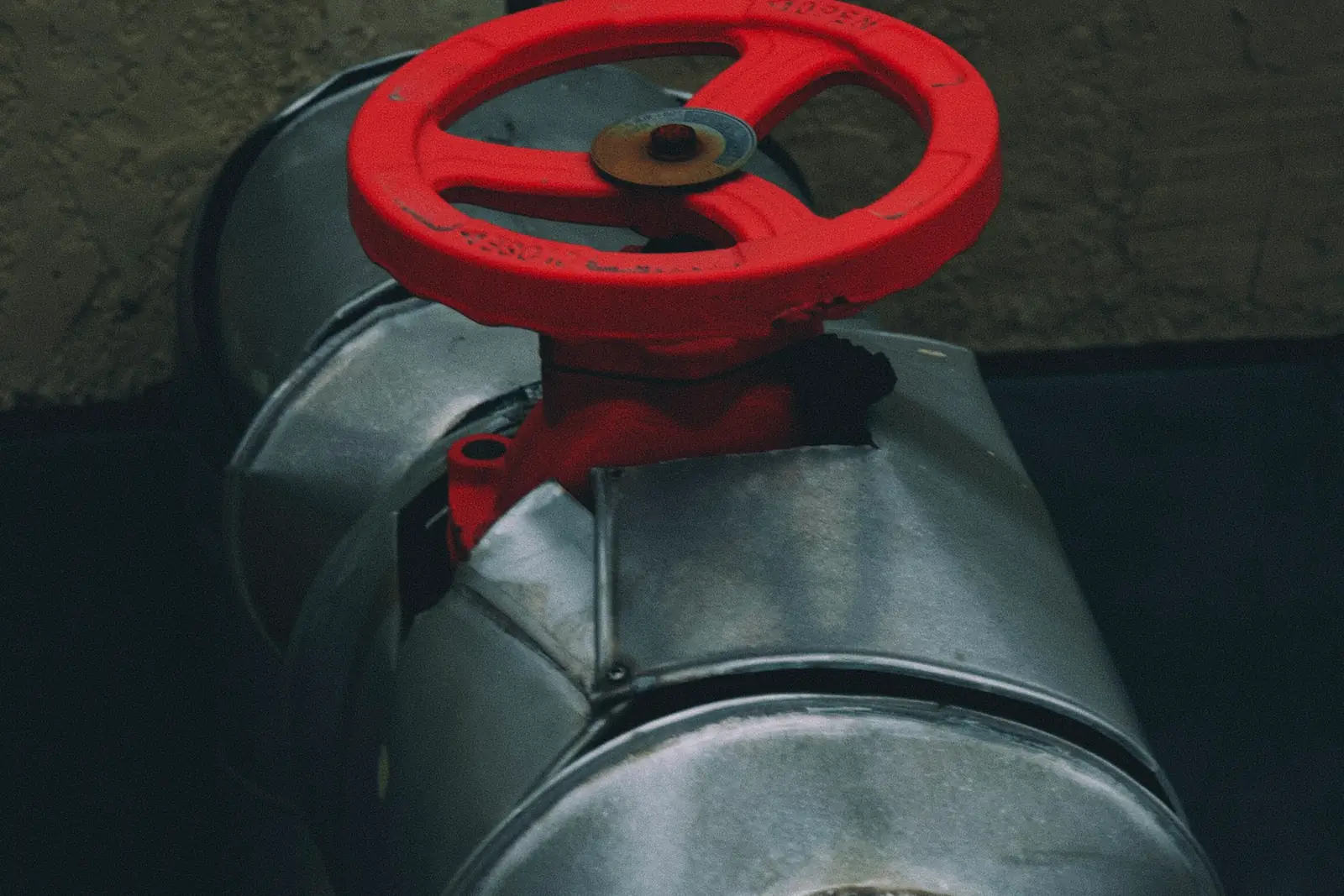
- Find your stopcock, check it turns and make sure everyone knows where it is
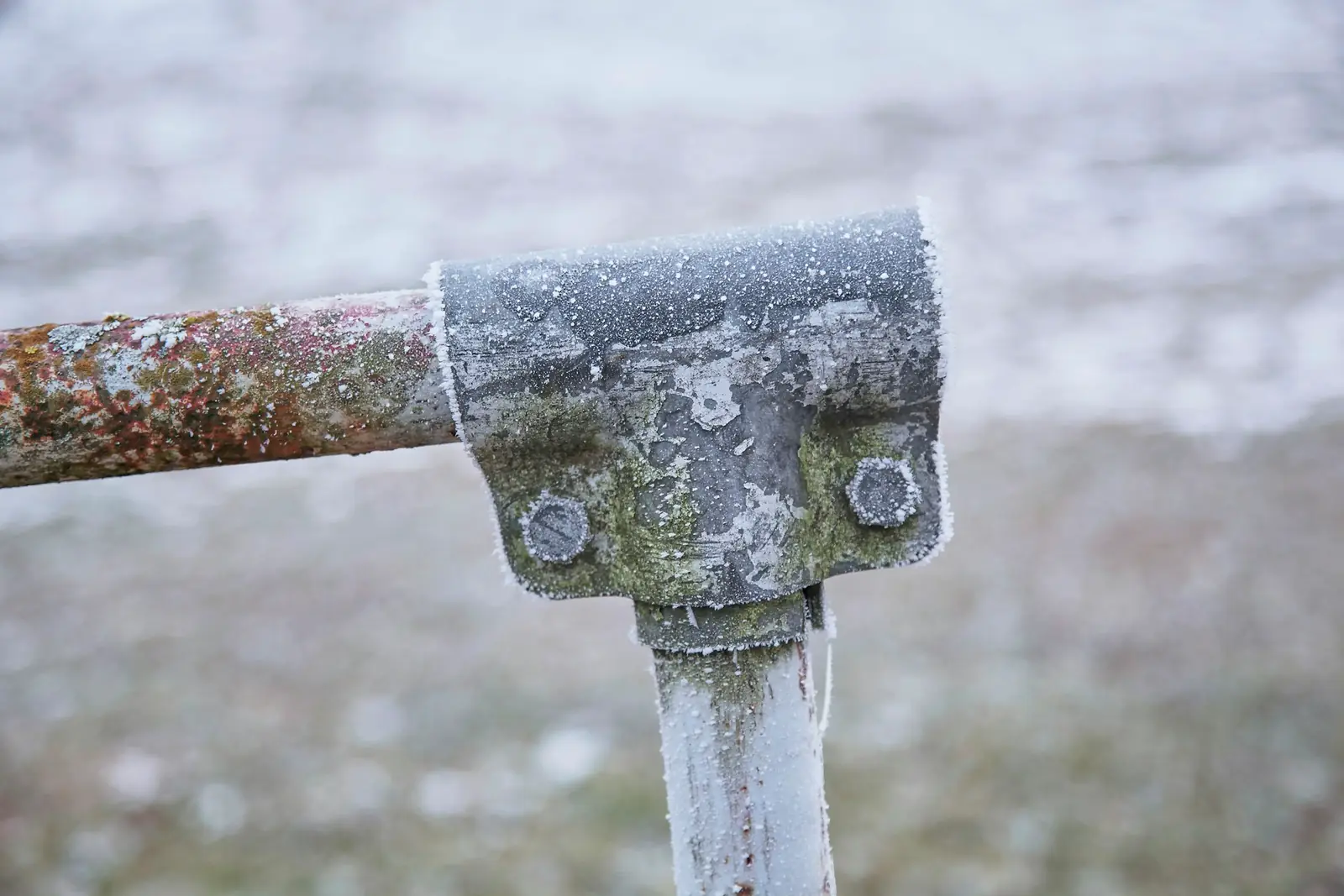
- Lag pipes and cold water tanks in the loft, garage and outbuildings
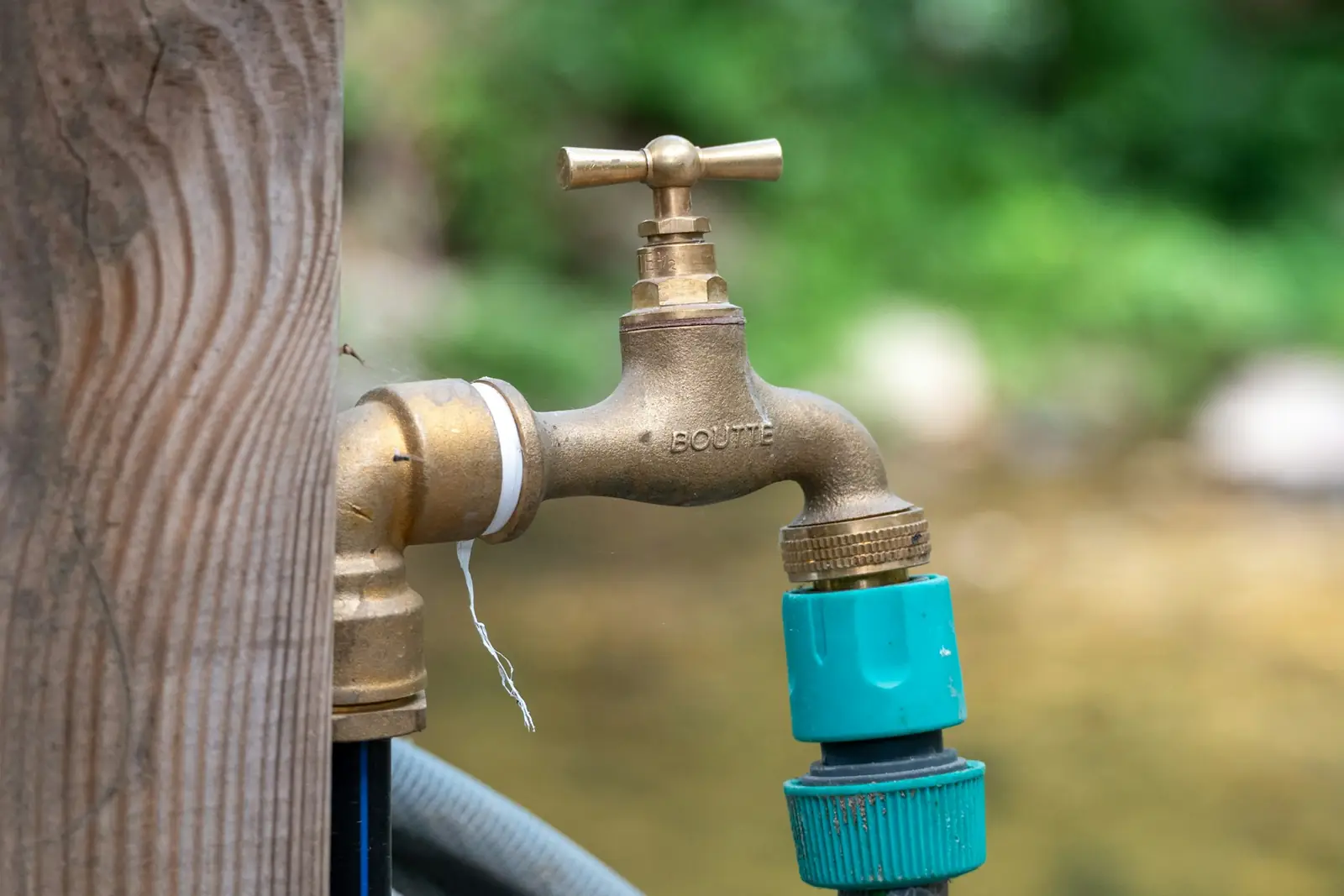
- Isolate and drain outside taps, and fit insulated covers
- Fix dripping taps and overflows – drips can freeze and block pipes
- Have the boiler serviced by a Gas Safe registered engineer
- Check the heating system pressure and bleed radiators
- Keep your insurer's and a plumber's contact details handy
During a cold snap
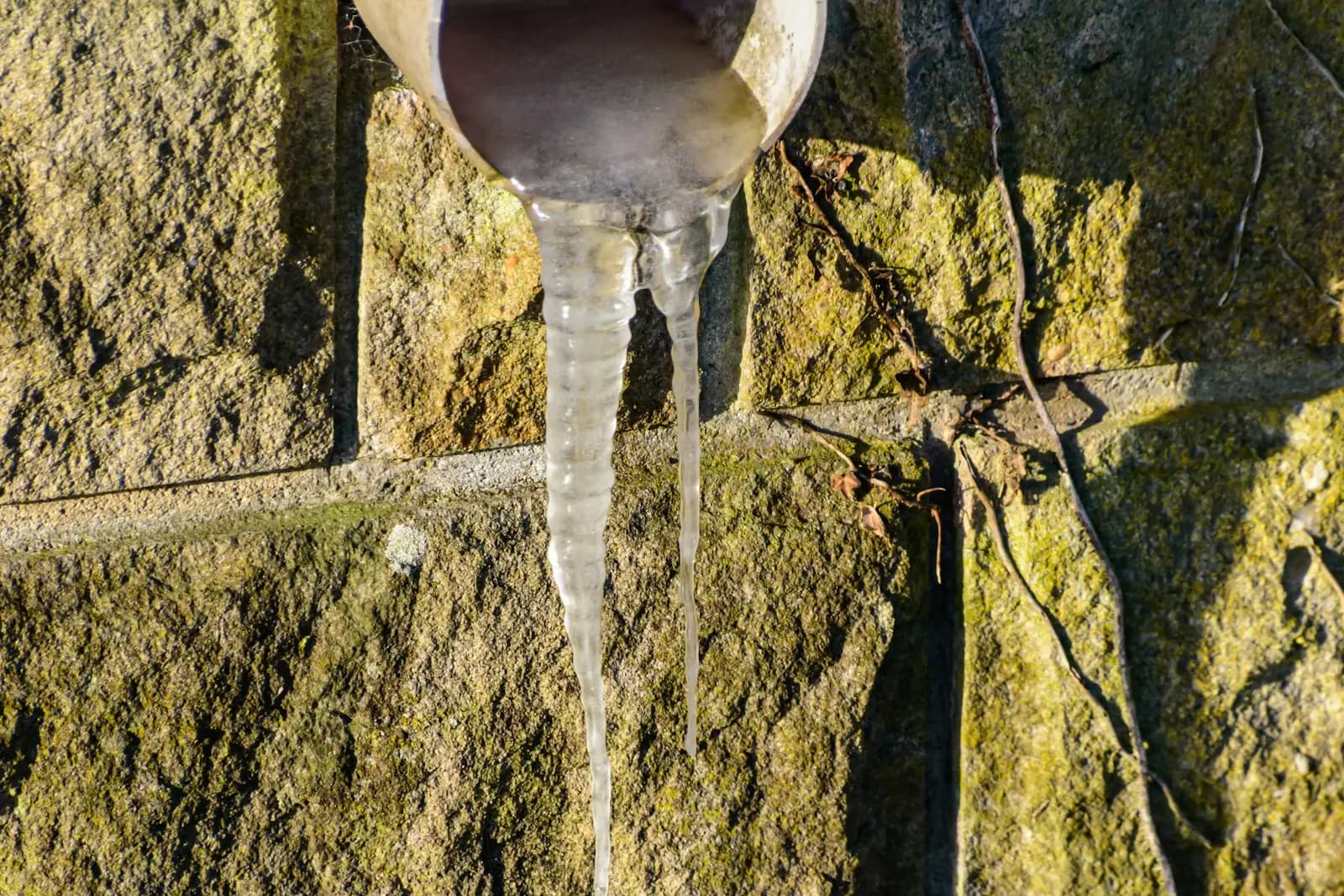
Keep the heating on at a low, steady setting, even when you're out. Open the loft hatch on the coldest nights to let some warmth reach the tank and pipes, and open cupboard doors under sinks on outside walls. If you have a condensing boiler, keep an eye on its condensate pipe outside – a frozen condensate pipe is one of the most common reasons boilers stop in freezing weather.
Need a plumber for this?
Describe the job and compare free quotes from plumbers near you.
- Free to use
- No obligation
- Compare local plumbers
- Quick online form
You'll continue to our quotes partner, MyJobQuote, to describe your plumbing job.
If a pipe freezes
Turn off the stopcock, open the affected tap and thaw the pipe gently with a hot water bottle, warm towels or a hairdryer on a low setting – never a naked flame. Check carefully for splits before turning the water back on. If a pipe bursts, turn off the stopcock, switch off electrics near the water if it's safe, and call a plumber.
Empty and rental properties
Empty homes are especially vulnerable: a burst pipe can run for days before anyone notices. Landlords and owners of second homes should arrange regular checks, keep some heating on or drain the system down, and make sure tenants know where the stopcock is.