Signs a pipe has frozen
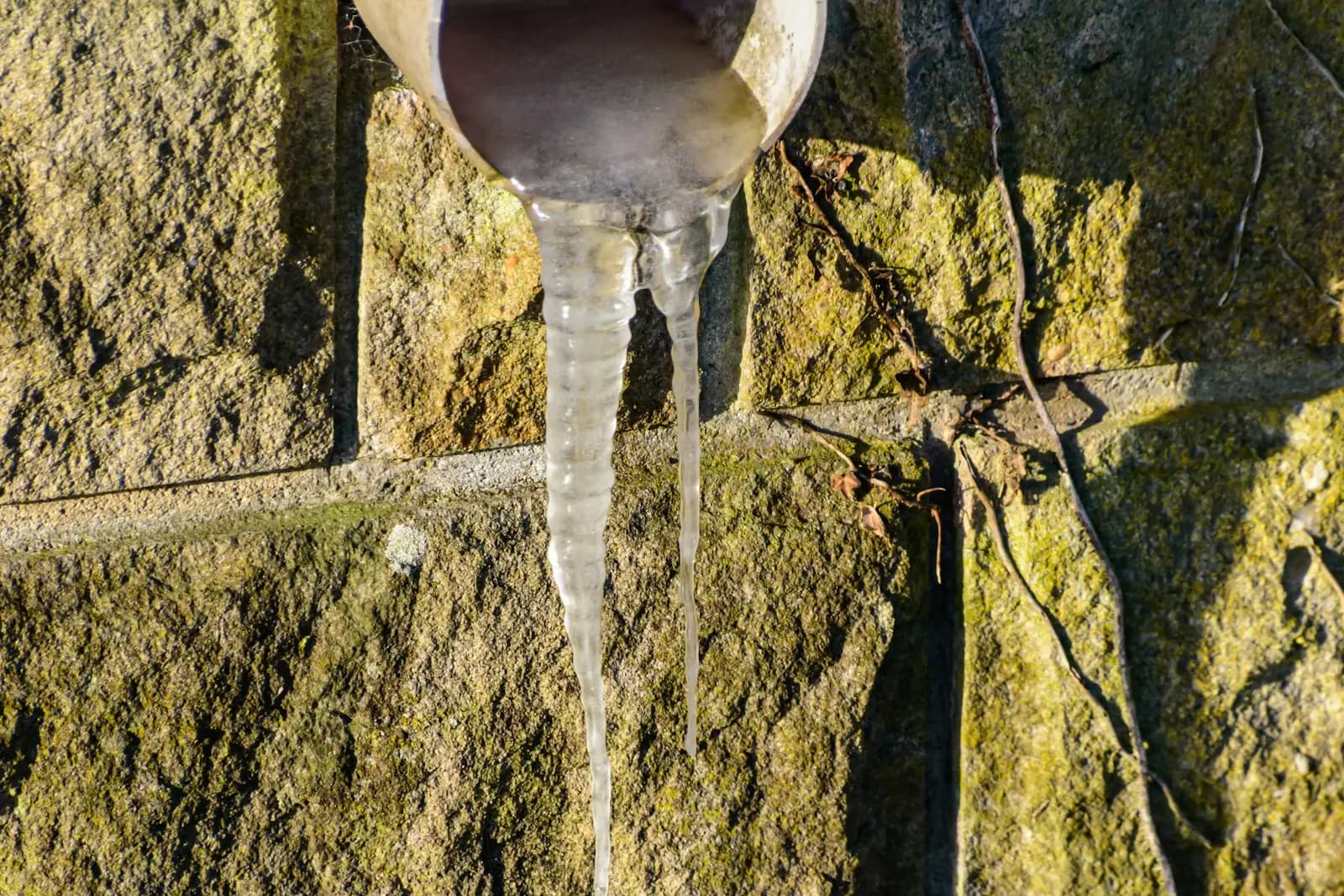
On a cold morning, a tap that gives nothing, or just a dribble, while others work normally points to a frozen pipe. Pipes in lofts, garages, outside walls, under suspended floors and in unheated extensions are most at risk, as are outside taps and the incoming supply where it enters the house.
If you have a condensing boiler that has stopped working in freezing weather, its condensate pipe – the plastic pipe that runs outside to a drain – may have frozen. It's one of the most common winter call-outs in the UK.
Thawing a frozen pipe safely
Turn off the water at the stopcock first. When ice melts, a split that the ice was plugging can start leaking straight away. Then open the tap fed by the frozen pipe so water and steam can escape as it thaws.
- Warm the pipe gently, starting at the tap end and working back towards the frozen section
- Use a hot water bottle, a towel soaked in warm water or a hairdryer on a low setting
- Never use a blowtorch or any naked flame – it's a fire risk and can damage the pipe
- Keep electrical items away from any water
- For a frozen boiler condensate pipe, pour warm (not boiling) water over the outside section and follow the manufacturer's reset instructions
Need a plumber for this?
Describe the job and compare free quotes from plumbers near you.
- Free to use
- No obligation
- Compare local plumbers
- Quick online form
You'll continue to our quotes partner, MyJobQuote, to describe your plumbing job.
Stopping pipes freezing
Prevention is far cheaper than repairs. Lag pipes and cold water tanks in the loft (but don't insulate directly underneath the tank, so warmth from below can reach it), insulate pipes in garages and outbuildings, and fit an isolating valve inside the house for any outside tap so it can be drained before winter.
During a cold snap, keep the heating on at a low, steady setting – including when you're away – and leave the loft hatch open on the coldest nights to let some warmth in. If a property will be empty for a long time in winter, ask a plumber about draining down the system.
When to call a plumber
Call a plumber if you can't find the frozen section, can't reach it safely, if a pipe has split, or if water is leaking anywhere once it thaws. For a boiler that won't restart, or anything involving gas, use a Gas Safe registered engineer.