Find out where it's coming from
Dry the floor and every part of the toilet thoroughly with a towel, then watch. Does water appear after a flush, while the cistern is refilling, or slowly all the time? Is the outside of the cistern or pipes wet before the floor is? A few minutes of careful observation saves a lot of guesswork.
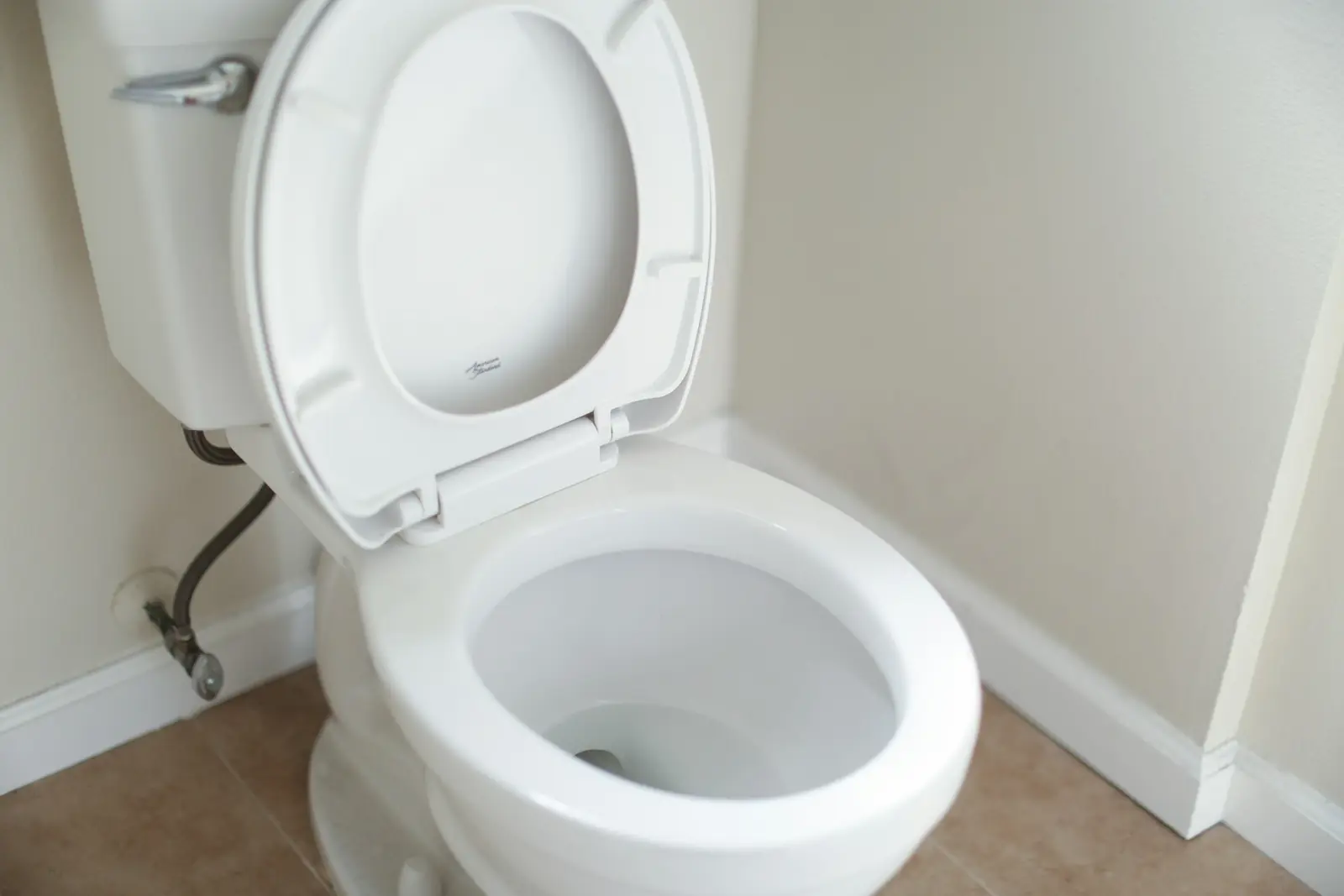
If the water smells, appears right after flushing and comes from the back of the pan where it meets the wall or floor, the waste connection is the likely culprit. If it's clean and appears between flushes, look higher up: the cistern, the supply pipe and the valves.
The usual causes
There are four common culprits, and a plumber will usually check them in this order.
- Pan connector – the flexible or rigid connector between the toilet outlet and the soil pipe can split, perish or move if the pan isn't fixed firmly
- Cistern-to-pan seal – on close-coupled toilets, a large rubber washer seals the cistern to the pan and can fail with age
- Supply pipe or valve – a weeping isolating valve, a loose nut or a failed flexible connector
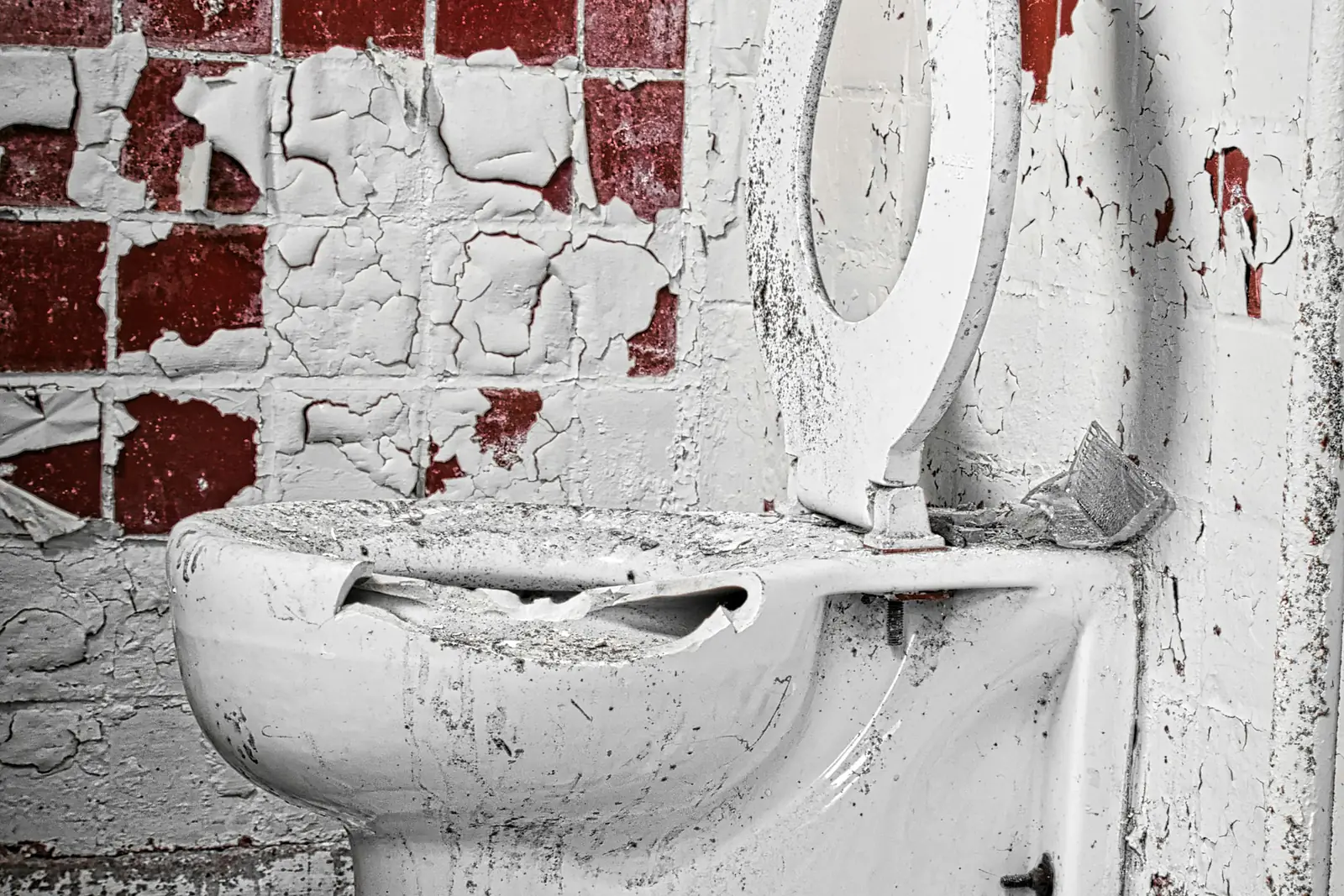
- A cracked pan or cistern – sometimes invisible until you look closely, especially at the back
Need a plumber for this?
Describe the job and compare free quotes from plumbers near you.
- Free to use
- No obligation
- Compare local plumbers
- Quick online form
You'll continue to our quotes partner, MyJobQuote, to describe your plumbing job.
Or is it condensation?
In cold weather, or in a bathroom without good ventilation, cold water in the cistern can make the outside of the porcelain sweat. Drips run down and collect on the floor, looking just like a leak. If the water is clean, the cistern feels damp all over and the problem is worse after showers, condensation is a strong possibility. Better ventilation is the fix, not a plumber.
What a plumber will do
Most repairs involve removing the pan or cistern, fitting a new connector or seal and refixing the toilet so it sits firmly without rocking. A wobbly toilet is one of the main reasons connectors fail, so the fixings matter as much as the parts. If the pan or cistern is cracked, it will need replacing.
If the floor has been wet for some time, check for soft or stained boards and, in a flat, warn the neighbour below. Your home insurance may cover damage from escaping water.