Lever toilets: the siphon
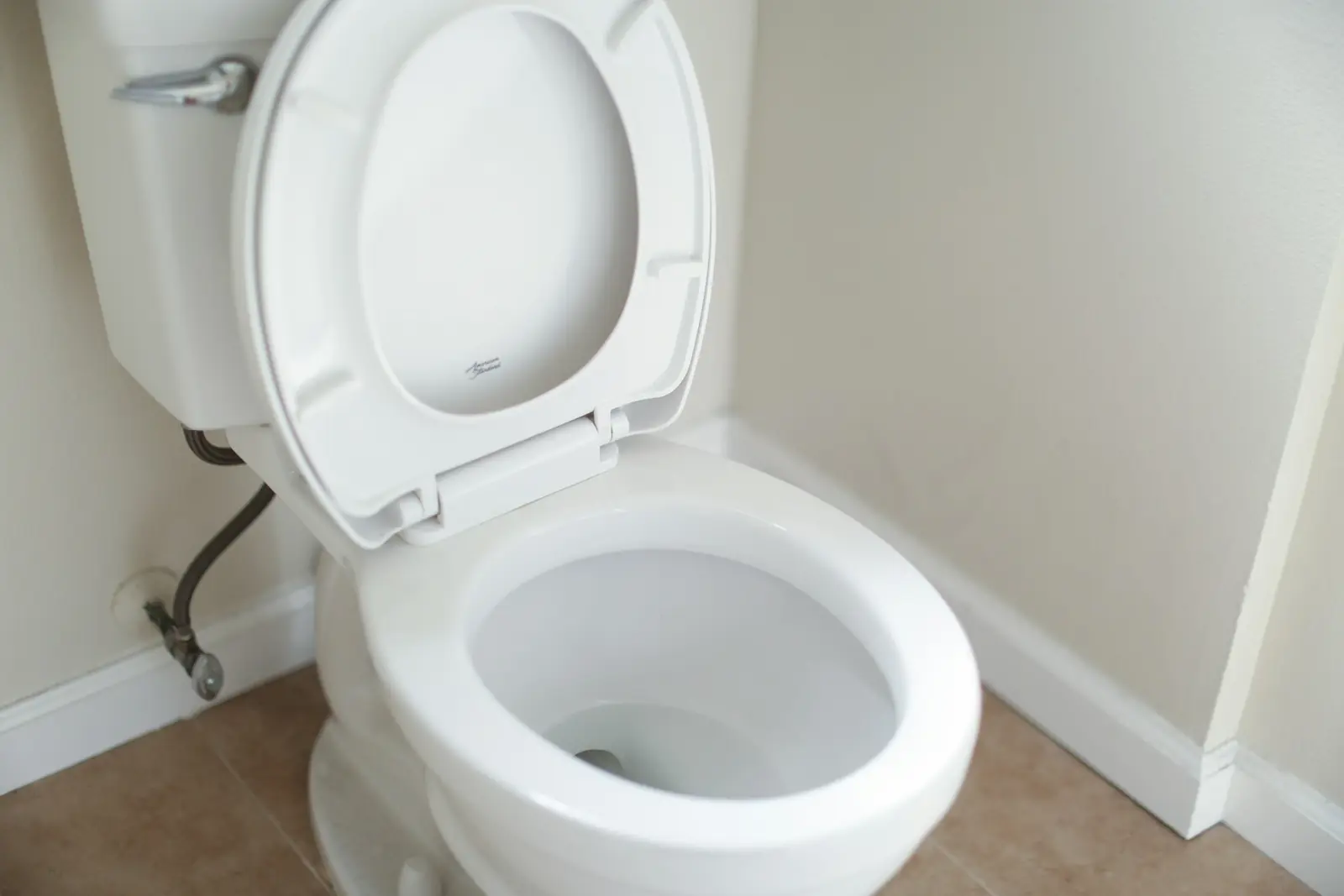
Many older UK toilets with a handle on the side use a siphon. Pressing the lever lifts a plastic plate with a flexible diaphragm inside a bell-shaped chamber, which pushes water over and starts the flush. When the diaphragm splits or wears – common after years of use – you have to pump the handle several times to get a flush going.
Replacing the diaphragm or the whole siphon is a standard repair. On a close-coupled toilet it can mean removing the cistern from the pan, so it's a job many people hand over to a plumber.
Need a plumber for this?
Describe the job and compare free quotes from plumbers near you.
- Free to use
- No obligation
- Compare local plumbers
- Quick online form
You'll continue to our quotes partner, MyJobQuote, to describe your plumbing job.
Not enough water in the cistern
A flush is only as good as the water behind it. If the cistern isn't filling to the line marked inside, the fill valve may be set too low, partly blocked with scale, or the isolating valve may be partly closed. Low water pressure to the cistern can also mean it takes a long time to refill between flushes.
Blockages and design
If water rushes in but swirls slowly away, the problem may be a partial blockage in the pan's outlet or soil pipe, or scale built up under the rim in hard water areas. Some older low-flush toilets simply struggle to clear the pan in one go, and replacing the toilet may be the long-term answer.
- Handle needs pumping – worn siphon diaphragm
- Button loose or stuck – broken link or button assembly
- Short or weak flush – low water level or worn drop valve
- Water drains slowly from the pan – partial blockage or scale