First, stop it getting worse
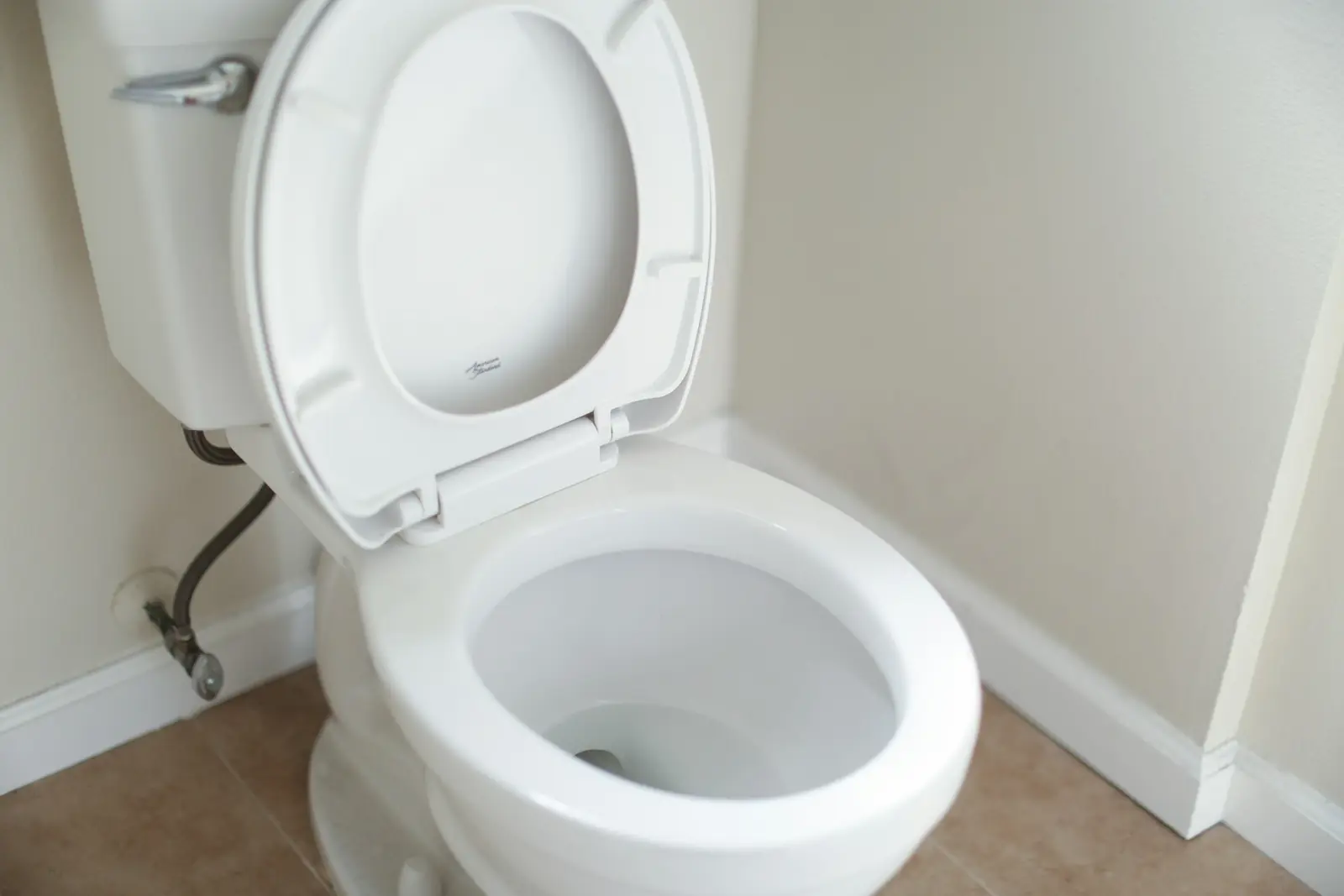
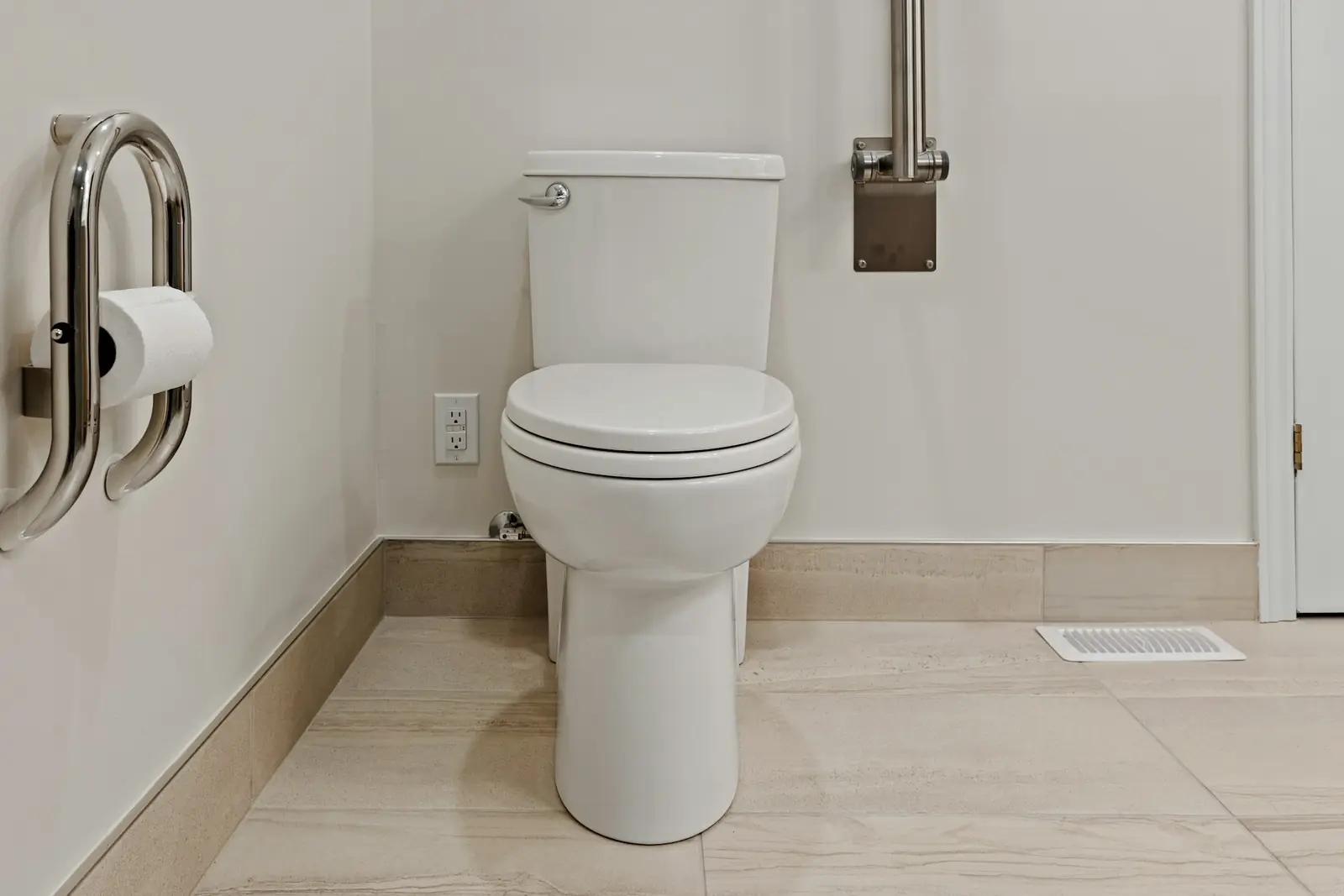
If the bowl is filling up, don't flush again. Take the lid off the cistern and push the flush valve or float down to stop more water coming in, or turn off the isolating valve on the toilet's supply. Put down old towels, open a window and wear rubber gloves.
Then check whether other fittings are affected. If the bath, shower or basin is draining slowly too, or an outside gully is overflowing, the blockage is probably in the drain rather than the toilet – and that changes who you need to call.
What you can safely try
A toilet plunger with a flange (the soft extension on the bottom of the cup) is the right tool. Make sure there's enough water in the bowl to cover the cup, seat it over the outlet and push and pull firmly a dozen times before checking. It may take a few rounds.
- Use a flanged toilet plunger, not a small sink plunger
- Try a squirt of washing-up liquid and a bucket of hot (not boiling) water poured from a height
- A toilet auger can reach further, but use it gently to avoid scratching the pan
- Never use boiling water – it can crack the porcelain
- Avoid mixing chemical drain cleaners, and don't use them if the bowl is full
Need a plumber for this?
Describe the job and compare free quotes from plumbers near you.
- Free to use
- No obligation
- Compare local plumbers
- Quick online form
You'll continue to our quotes partner, MyJobQuote, to describe your plumbing job.
When it's the drain, not the toilet
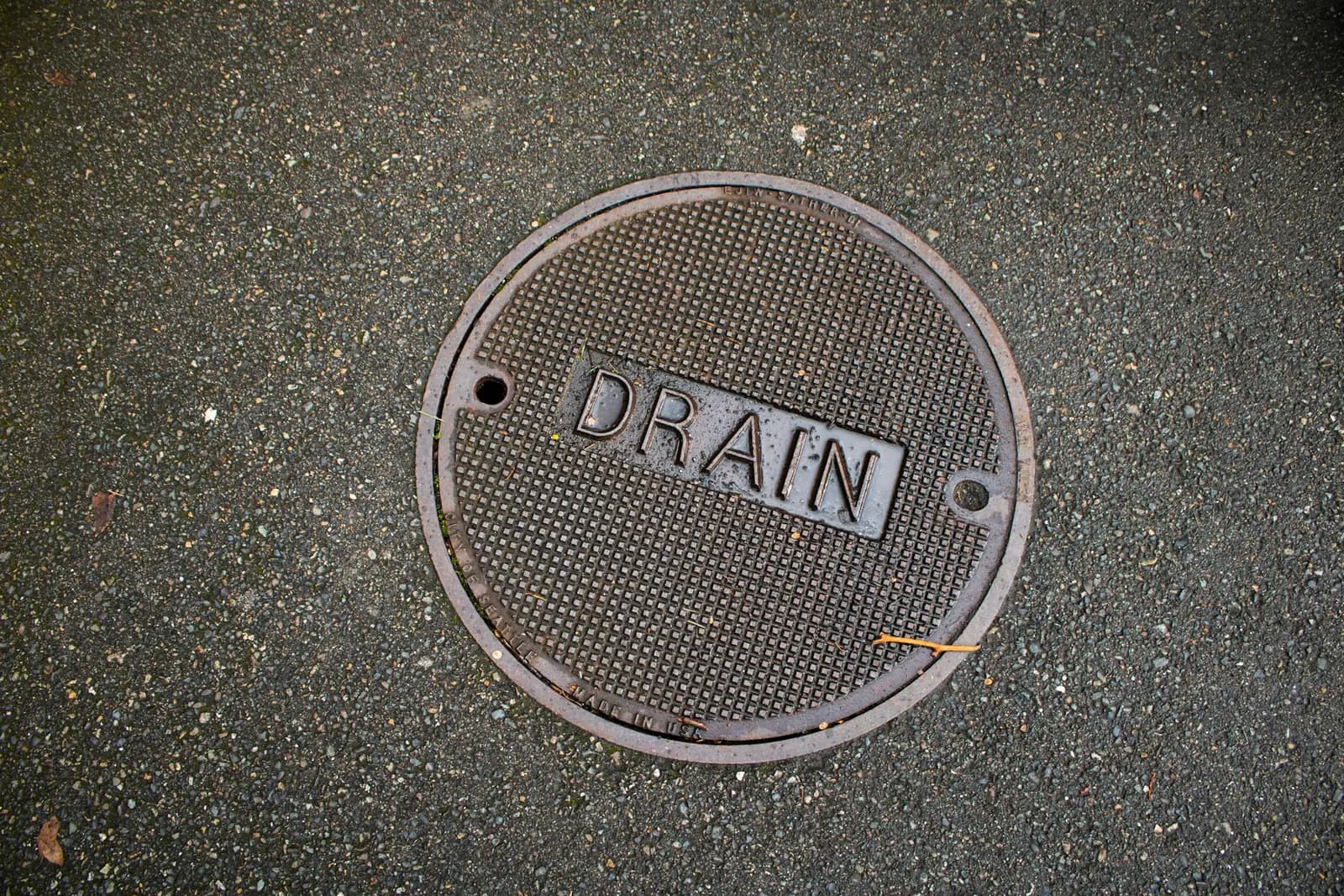
If several fittings back up, or water rises in the toilet when you run the bath, the blockage is further down the line. Lift the cover of your inspection chamber (manhole) outside if you have one: if it's full, the drain beyond it is blocked; if it's empty, the problem is between the toilet and the chamber.
Drains shared with neighbours and the public sewer are usually the water company's responsibility, so if the blockage is beyond your property, contact them. Within your boundary, a drainage company with rods or jetting equipment is often the right call.
When to call a plumber
Call a plumber if the plunger doesn't work after a few attempts, if something solid has been flushed (a toy, a toothbrush), if the toilet keeps blocking, or if it's the only toilet in the house and you can't wait. A plumber can remove the pan to clear an obstruction, check the pan connector and soil pipe, and tell you whether the drain needs attention.
Repeated blockages can point to a deeper problem: a poorly laid soil pipe without enough fall, a collapsed drain, or a toilet design that doesn't flush strongly enough.