How traps keep smells out
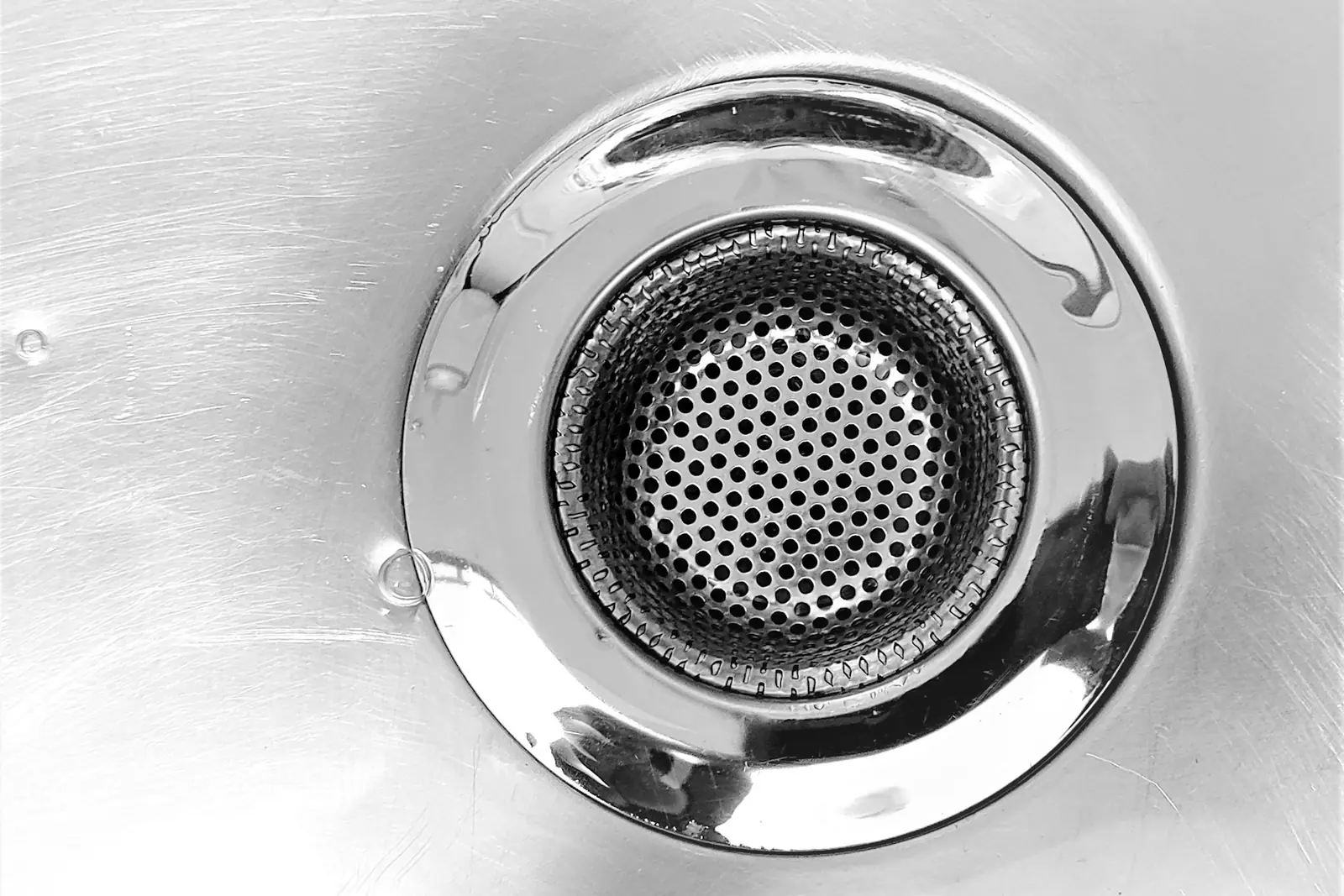
Every sink, basin, bath and shower has a trap – a bend or bottle that holds a small amount of water. That water seal stops air from the drains coming back into the room. Most drain smells happen because the seal has been lost or because something in the trap or pipe is decaying.
Common causes
Start with the fitting where the smell is strongest, then work outwards.
- A dry trap – a basin or shower that hasn't been used for weeks loses its water seal to evaporation
- A siphoned trap – water from another fitting draining nearby can suck the seal out, often with a gurgle
- Build-up in the trap or waste – hair, soap, grease and food decaying inside the pipe
- A faulty or missing air admittance valve – the one-way valve that ventilates many internal soil pipes
- Leaking seals or connectors – a loose joint on a waste or soil pipe can release smells without much water
- A blocked or dirty gully outside – especially under kitchen wastes
Need a plumber for this?
Describe the job and compare free quotes from plumbers near you.
- Free to use
- No obligation
- Compare local plumbers
- Quick online form
You'll continue to our quotes partner, MyJobQuote, to describe your plumbing job.
Smells outside the house
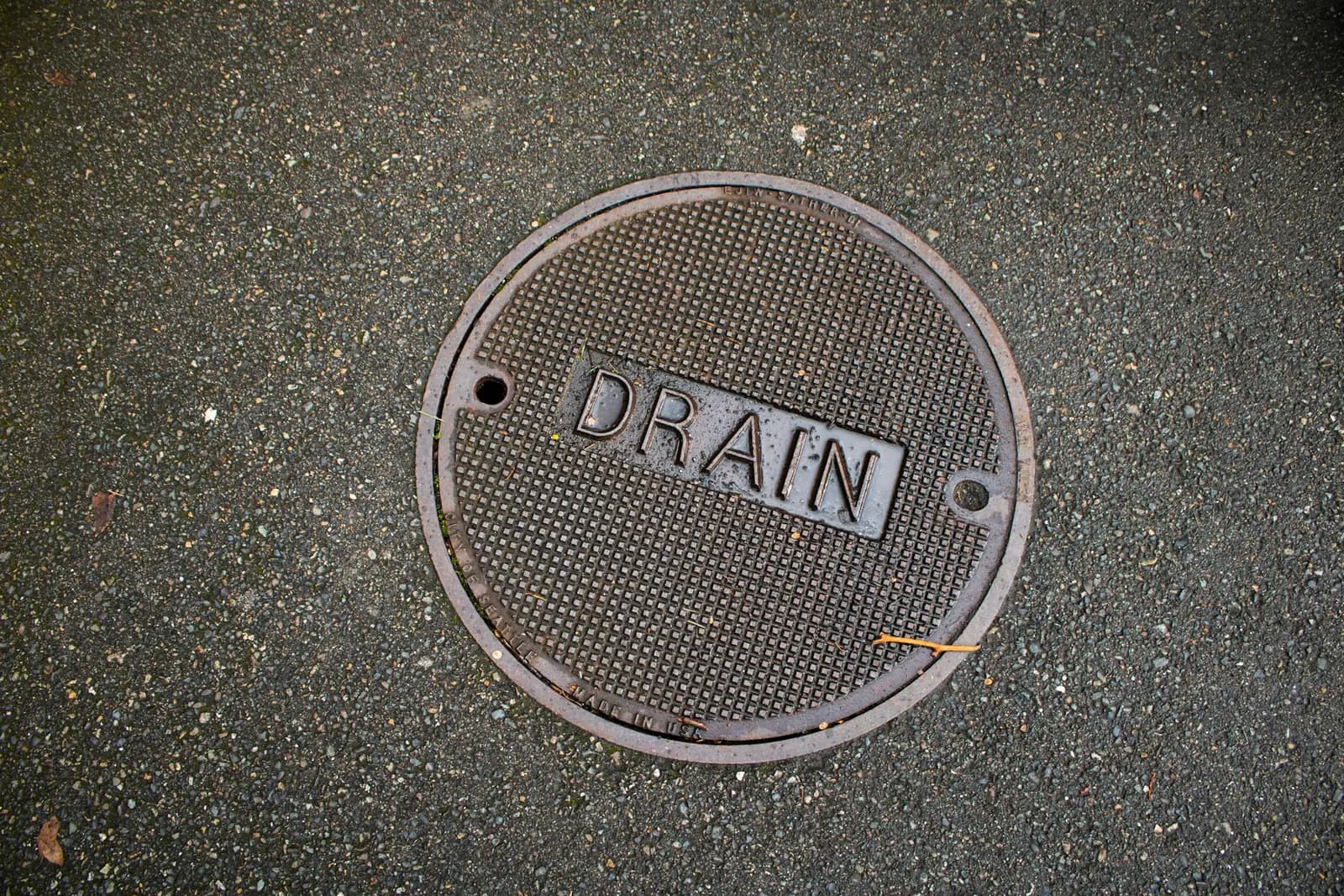
A smell around an inspection chamber or gully outside can mean a blockage or a broken drain. If the chamber cover is lifted and the chamber is full of water, the drain beyond it is blocked. Shared drains and public sewers are usually the water company's responsibility, so report it to them if the problem is outside your property.
When to call a plumber
If refilling and cleaning traps doesn't solve it, a plumber can check for siphoning, faulty air admittance valves and leaking joints, and test the soil and waste pipes. For underground drains, a drainage company can carry out a CCTV survey to see what's going on inside the pipe.