What an appliance needs
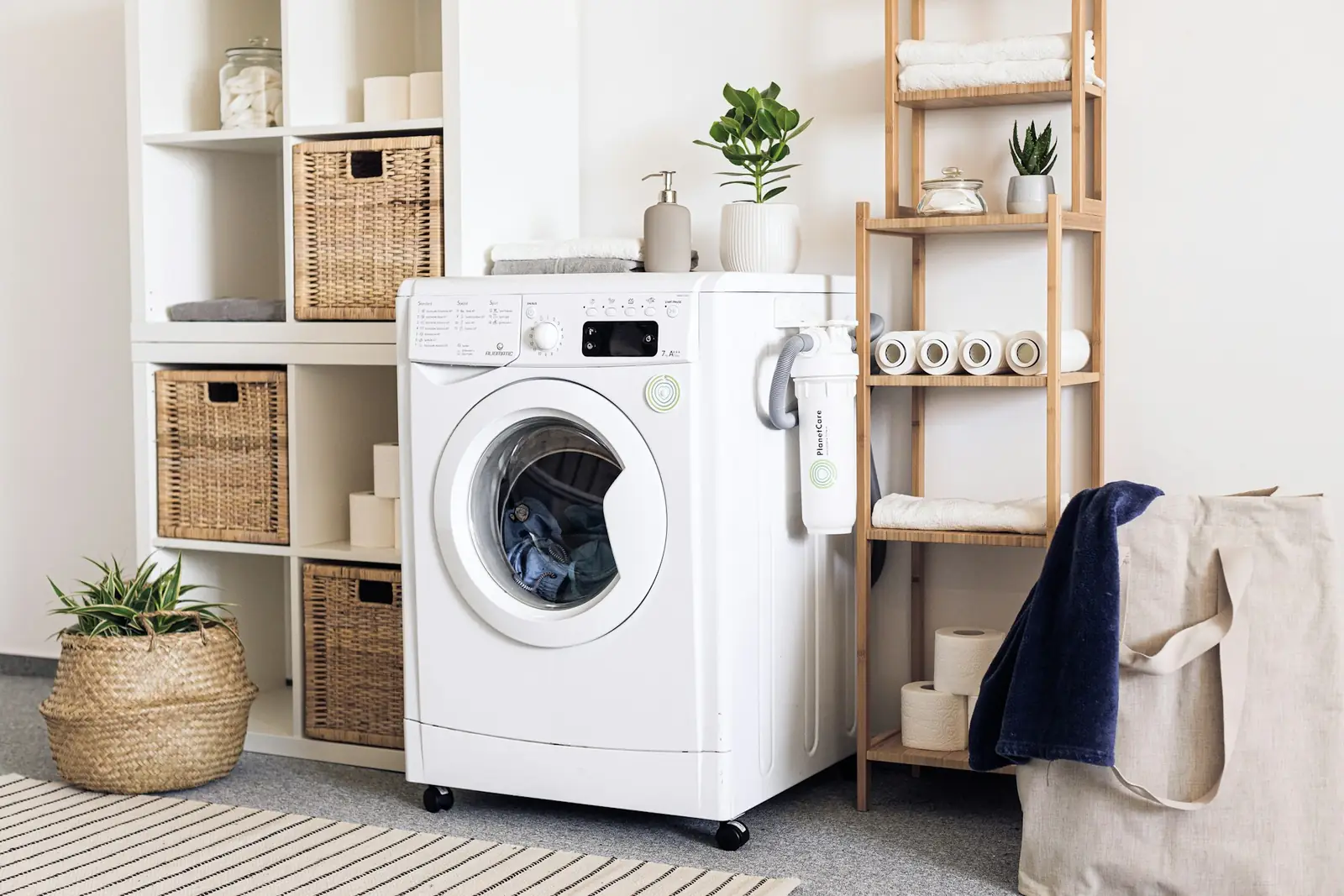
Most washing machines and dishwashers need a cold water supply with an isolating valve, and a waste connection that carries dirty water to the drain without letting drain smells or dirty water back into the machine. A nearby socket is needed too.
- A cold supply with an appliance isolating valve
- A waste connection – an under-sink trap spigot or a standpipe with its own trap
- The waste hose looped up to the right height to prevent siphoning
- A level, stable floor
- A socket within reach, not behind the machine
Connecting to the waste
The simplest option is a sink trap with an appliance spigot, which the waste hose pushes onto and is secured with a clip. Alternatively, a vertical standpipe with its own trap is used, with the hose hooked into the top. The hose should rise to the height recommended by the manufacturer before dropping into the waste, so the machine doesn't drain itself by siphoning.
Need a plumber for this?
Describe the job and compare free quotes from plumbers near you.
- Free to use
- No obligation
- Compare local plumbers
- Quick online form
You'll continue to our quotes partner, MyJobQuote, to describe your plumbing job.
Moving an appliance
Moving a washing machine into a utility room, garage or another part of the kitchen means extending both the supply and the waste. The waste needs a fall to the drain, which is often the deciding factor. Converted garages and utility rooms frequently need a new waste run to the nearest drain or soil stack.
Common problems
Leaks usually come from a loose hose, a perished hose washer or the waste connection. Kinked hoses behind the machine restrict the flow and can burst. Old self-cutting valves – which pierce the pipe – can leak with age; a plumber can replace them with a proper tee and isolating valve.