Empty the cupboard and look
Clear everything out, dry the base and every pipe with a towel, and shine a torch around. Run the cold tap, then the hot, then fill and empty the sink. Run the dishwasher or washing machine if they're connected here. Watch each part of the system while it's in use – leaks often only appear when a particular pipe is under pressure or carrying water.
Common leak points
A typical sink unit contains at least a dozen joints, any of which can weep.
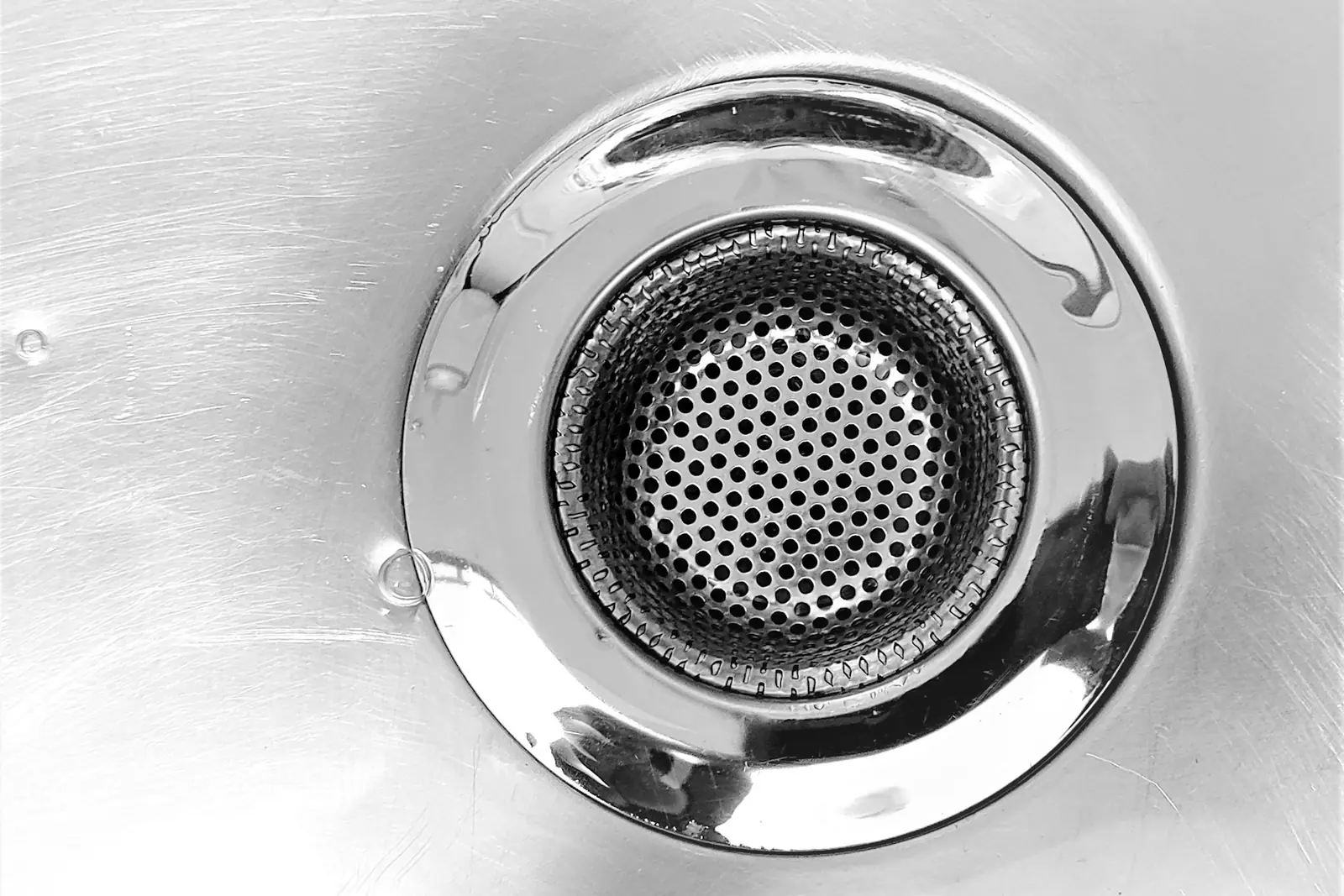
- The sink waste and trap – loose nuts, missing or perished washers, cracked plastic
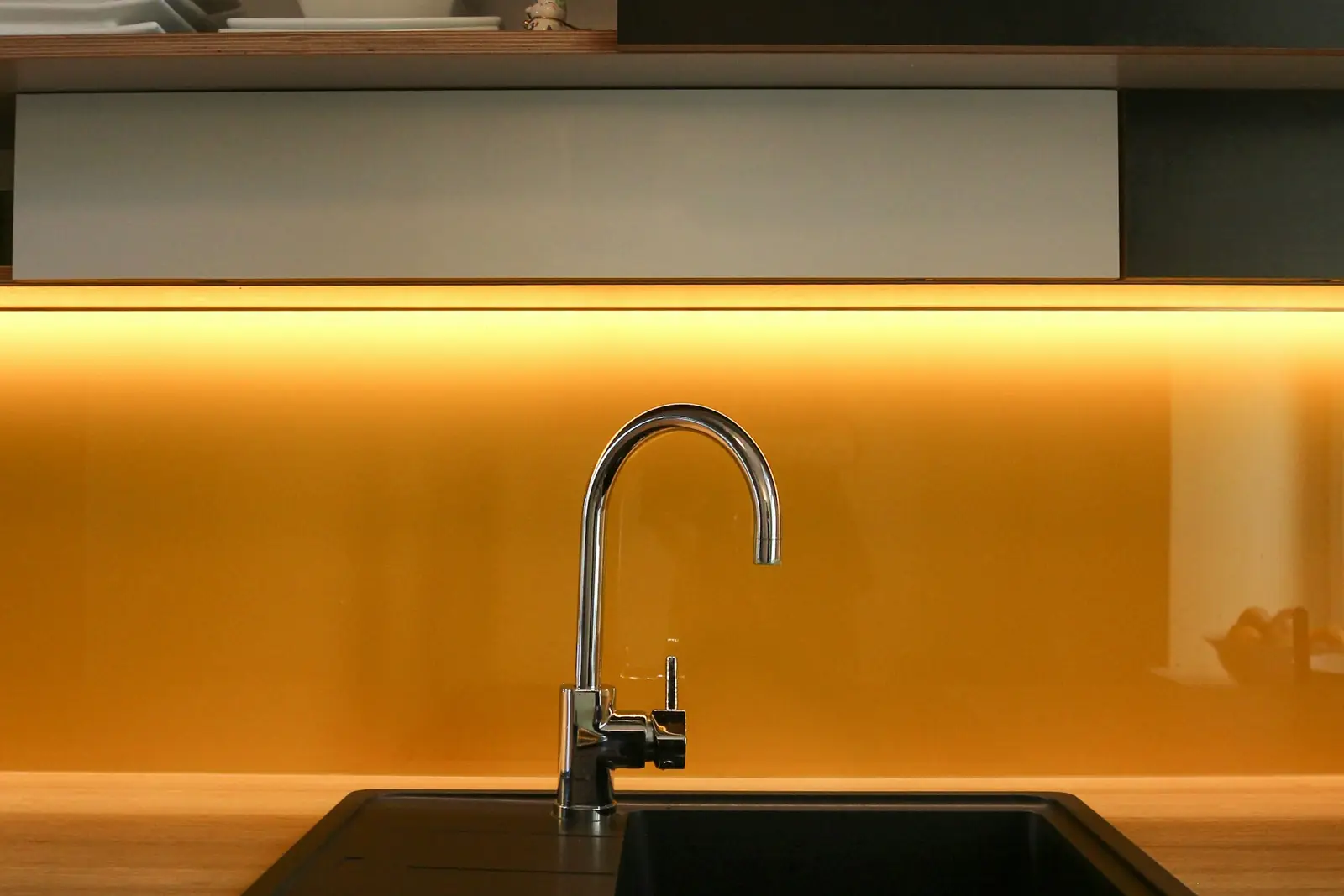
- Flexible tap connectors – braided hoses can fray, kink or fail at the crimped ends
- Isolating valves and compression joints on the supply pipes
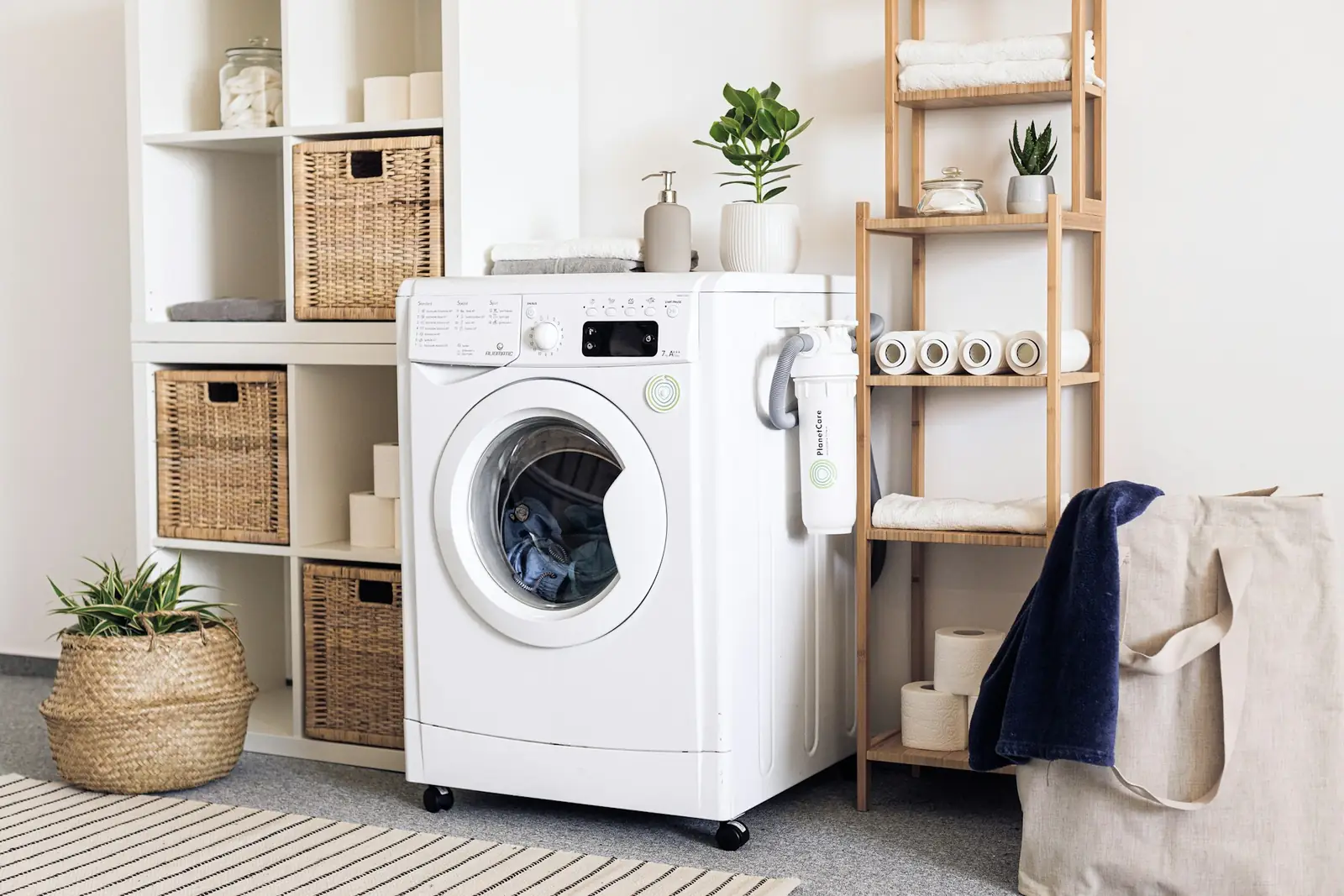
- Appliance hoses and valves for the washing machine or dishwasher
- The seal between the sink and the worktop, letting splashes drip down
- A water softener or filter fitted under the sink
Need a plumber for this?
Describe the job and compare free quotes from plumbers near you.
- Free to use
- No obligation
- Compare local plumbers
- Quick online form
You'll continue to our quotes partner, MyJobQuote, to describe your plumbing job.
Simple fixes and when to stop
Hand-tightening a loose plastic trap nut is often all it takes, but avoid overtightening plastic or compression fittings. If the leak is from the supply side – connectors, valves or copper pipe – turn off the isolating valves or the stopcock and call a plumber. Supply leaks are under constant pressure and won't wait for the next time you use the sink.
Afterwards
Let the cupboard dry fully and check for swelling or soft chipboard. If the leak has been going on for a while, the floor beneath the units may be damp too. Once repaired, a plumber can fit new isolating valves and connectors so any future problem can be isolated without turning off the whole house.