Why sinks block
Kitchen waste pipes gradually coat with fat, oil and grease that cool and set inside the pipe, catching food particles as they go. Bathroom basins collect hair, toothpaste and soap scum, often right at the plug or in the trap just below. In hard water areas, limescale adds to the build-up.
Sometimes the problem is the pipework itself: a waste run that's too long, too flat or with too many bends will always drain sluggishly, however often it's cleared.
What you can safely try
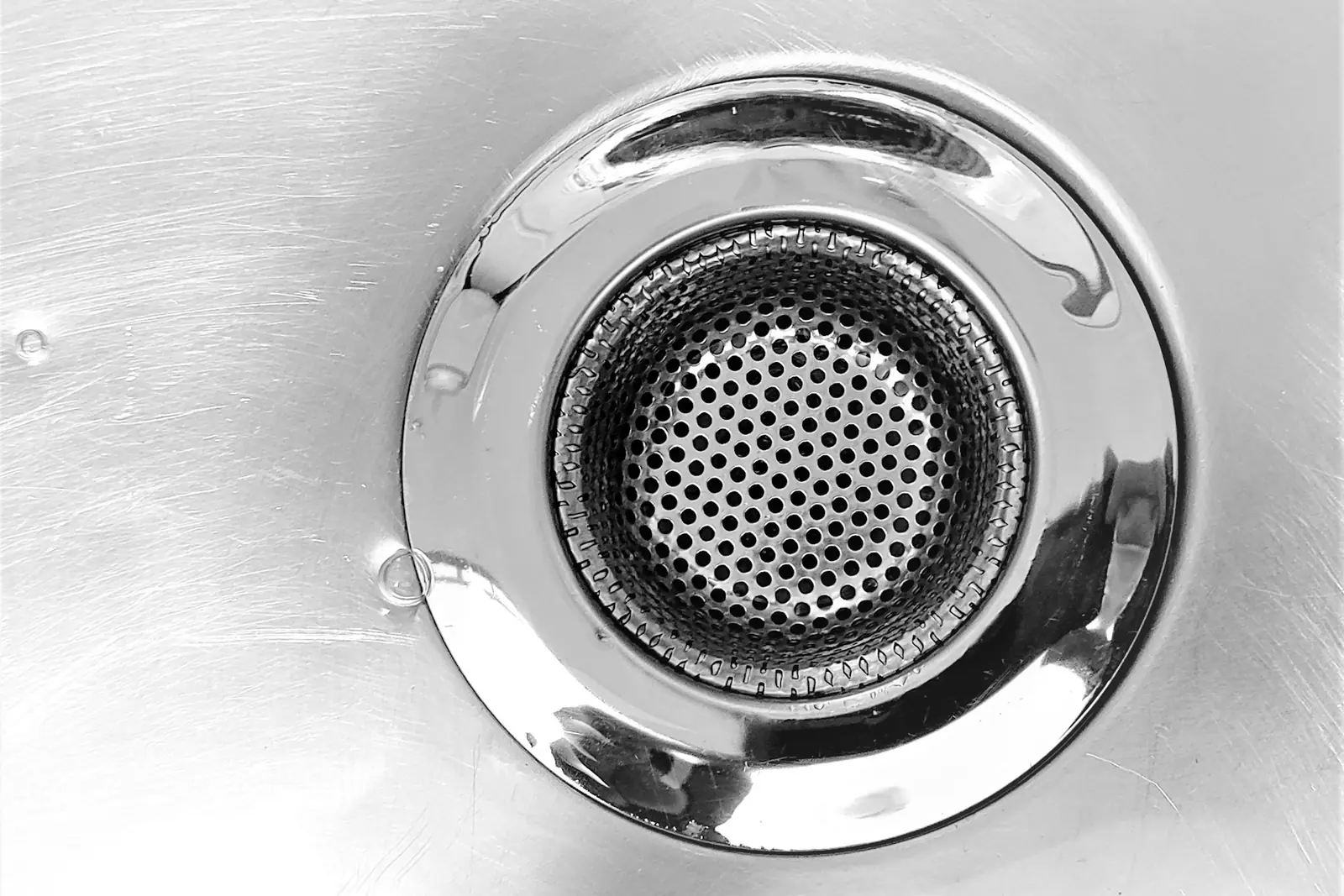
Start with the simplest things. Remove and clean the plug or strainer. Use a sink plunger, covering the overflow with a damp cloth so the pressure goes down the pipe rather than out of the overflow. If the sink is still slow, the trap under it may need cleaning.
- Put a bowl underneath before unscrewing a bottle trap or U-bend
- Clean the trap out and refit it hand-tight, checking the washers are in place
- Run hot water afterwards to check for drips
- Avoid caustic drain cleaners on a sink that's full of standing water
Need a plumber for this?
Describe the job and compare free quotes from plumbers near you.
- Free to use
- No obligation
- Compare local plumbers
- Quick online form
You'll continue to our quotes partner, MyJobQuote, to describe your plumbing job.
Signs the blockage is further down
If the trap is clear but the sink is still slow, the blockage is in the waste pipe beyond it or in the drain outside. Gurgling from other plugholes, a smell from the outside gully or water backing up into the dishwasher or washing machine are all clues. Outside gullies under kitchen wastes are particularly prone to grease build-up and leaves.
When to call a plumber
Call a plumber if the blockage won't shift, if the trap or waste pipe is leaking, if the sink keeps blocking, or if you've used chemicals and aren't sure what's in the pipe. A plumber can dismantle and clear the waste, replace cracked traps and, if needed, re-lay a waste run with a better fall so the problem doesn't keep coming back.