How airlocks form
When a system is drained for repairs, or a cold water tank runs dry, air gets into the pipes. In mains-fed pipework, the pressure usually pushes the air out quickly. In tank-fed systems – common for hot water and some bathroom cold supplies – the pressure is low, and a bubble of air trapped at a high point in the pipe can block the flow entirely.
Airlocks are most likely after a cold water tank has been drained, after a ball valve has failed and let the tank empty, or after pipework changes that create a new high point.
Signs of an airlock
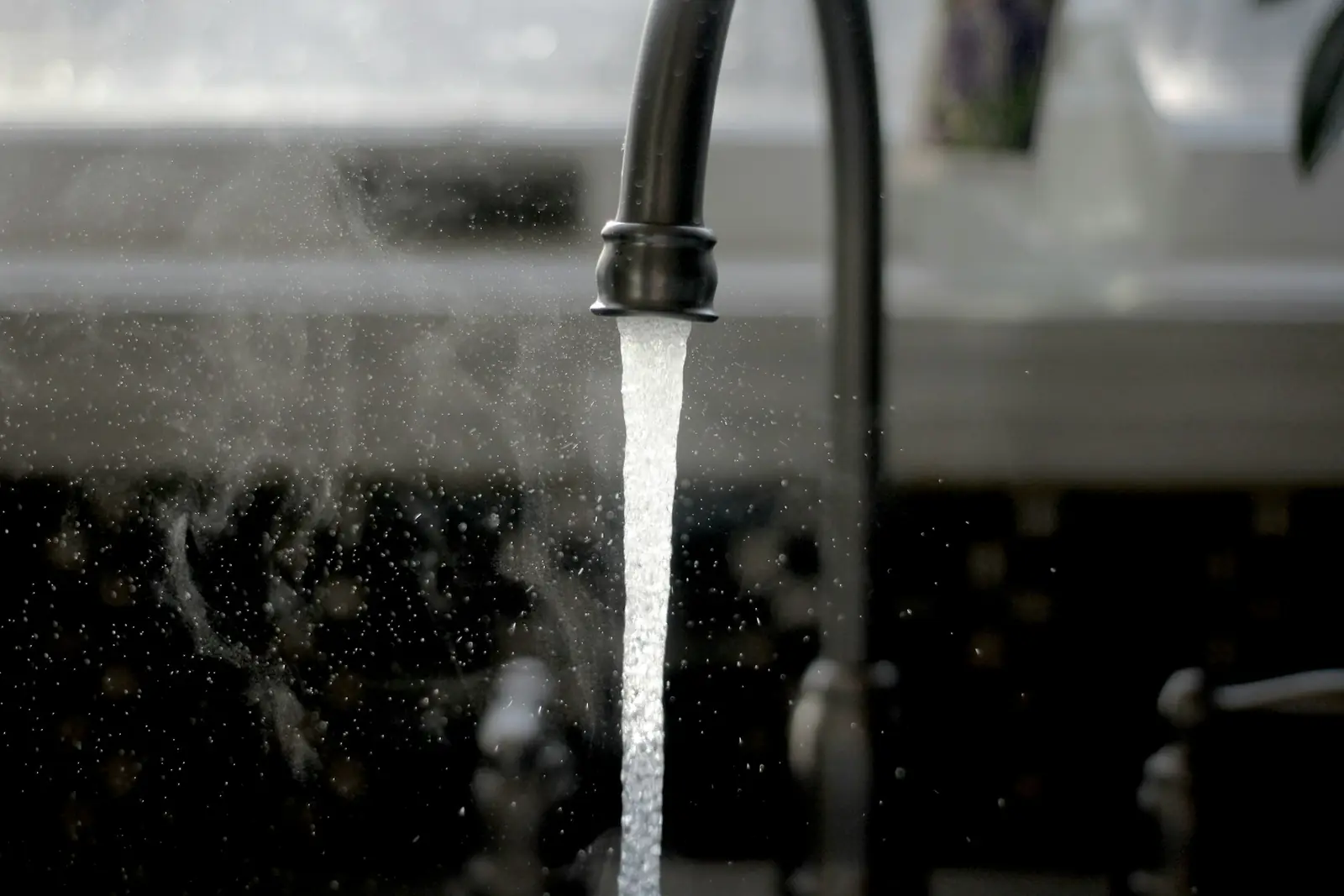
- Taps that splutter, spit and hiss before running properly
- A hot tap that runs for a moment then stops
- A shower with a weak, pulsing flow after the water has been off
- Banging in the pipes as air moves through
Need a plumber for this?
Describe the job and compare free quotes from plumbers near you.
- Free to use
- No obligation
- Compare local plumbers
- Quick online form
You'll continue to our quotes partner, MyJobQuote, to describe your plumbing job.
Clearing an airlock
Often, simply opening all the affected taps and letting them run for a few minutes is enough to push the air through. Check that the cold water tank in the loft has refilled and that its float valve is working before trying anything else.
Plumbers have a few techniques for stubborn airlocks, such as using mains pressure to push the air back through the pipe. Because these involve temporarily connecting different supplies, and getting it wrong can cause flooding or contamination, it's best left to a plumber if the simple approach doesn't work.
When it keeps coming back
Repeated airlocks suggest an underlying problem: a cold water tank that's too small or runs low, a float valve that sticks, or pipework with a high point that traps air. A plumber can find and correct it, or recommend a change to the system if it's a long-running nuisance.