Where radiator valves leak
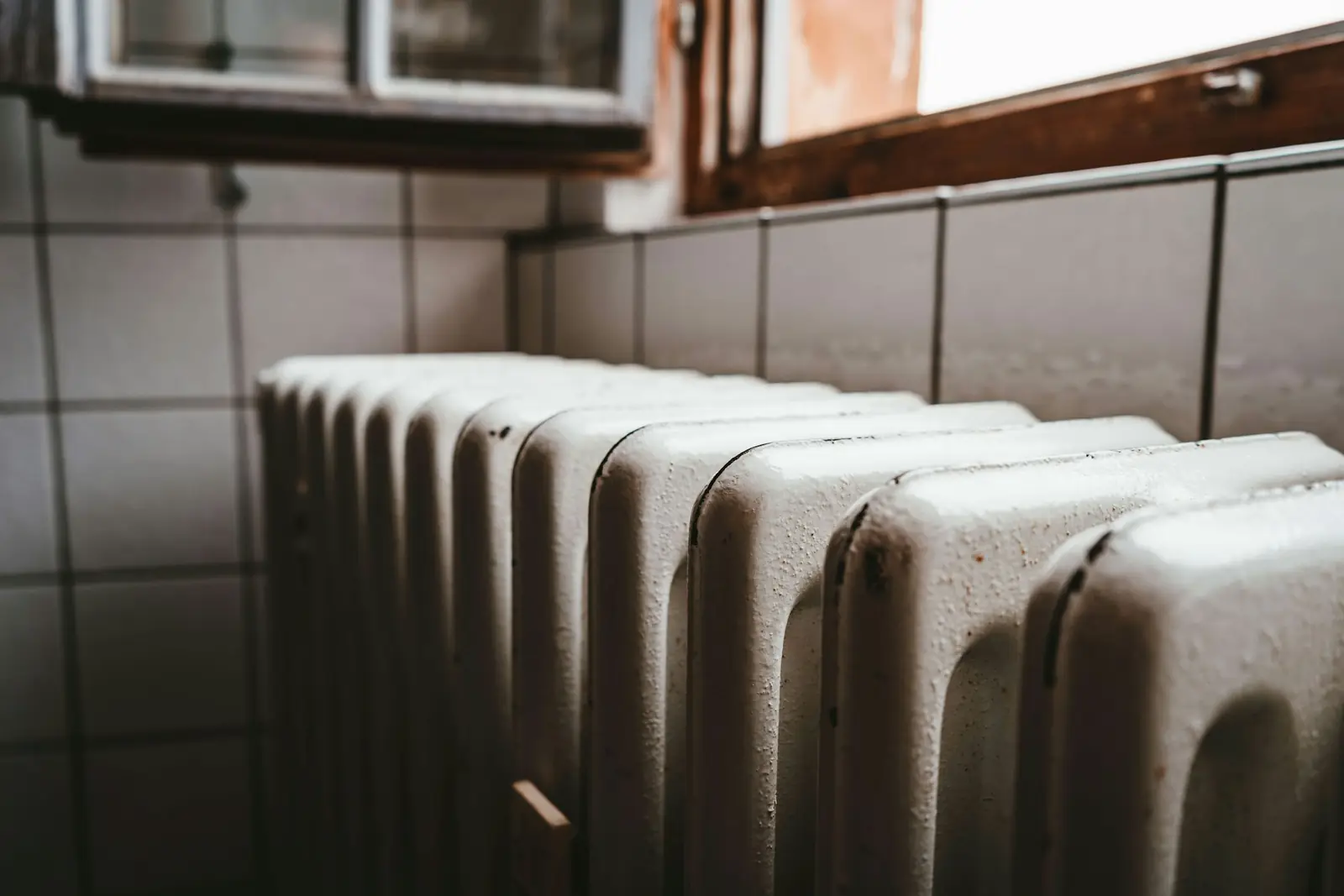
Each radiator usually has two valves: one to control it (a manual or thermostatic valve) and a lockshield on the other side for balancing. Leaks typically come from one of three places: the spindle, where the valve head turns; the union nut, where the valve joins the radiator; or the compression nut, where the valve joins the pipe from the floor or wall.
Dry everything, place kitchen roll under each joint and turn the heating on. The first wet patch shows you which joint is leaking.
Simple checks
A weeping spindle can sometimes be stopped by gently tightening the gland nut under the valve head. A leaking union or compression nut may need just a fraction of a turn. Use the right size spanner, hold the valve body steady with a second spanner so you don't twist the pipe, and stop if the nut doesn't move easily.
Need a plumber for this?
Describe the job and compare free quotes from plumbers near you.
- Free to use
- No obligation
- Compare local plumbers
- Quick online form
You'll continue to our quotes partner, MyJobQuote, to describe your plumbing job.
Repairing or replacing the valve
If tightening doesn't work, the valve may need new seals or replacing. That usually means draining some or all of the heating system, or isolating the radiator, then refilling, bleeding and adding inhibitor afterwards. Old valves on corroded pipes can be stubborn, and it's easy to damage a pipe trying to free them, which is why many people call a plumber.
Swapping old manual valves for thermostatic radiator valves (TRVs) while the system is drained is a worthwhile upgrade, giving room-by-room temperature control.
Signs of a bigger problem
Several leaking valves, frequent pressure loss, black or rusty water when you bleed radiators and cold spots at the bottom of radiators can point to corrosion and sludge in the system. A plumber or heating engineer can advise on cleaning the system and protecting it with inhibitor.