On a viewing
- Run taps and showers: is the pressure good, and does hot water arrive quickly?
- Flush toilets and watch them refill and stop
- Look under sinks for stains, swollen boards and damp
- Check ceilings below bathrooms for water marks
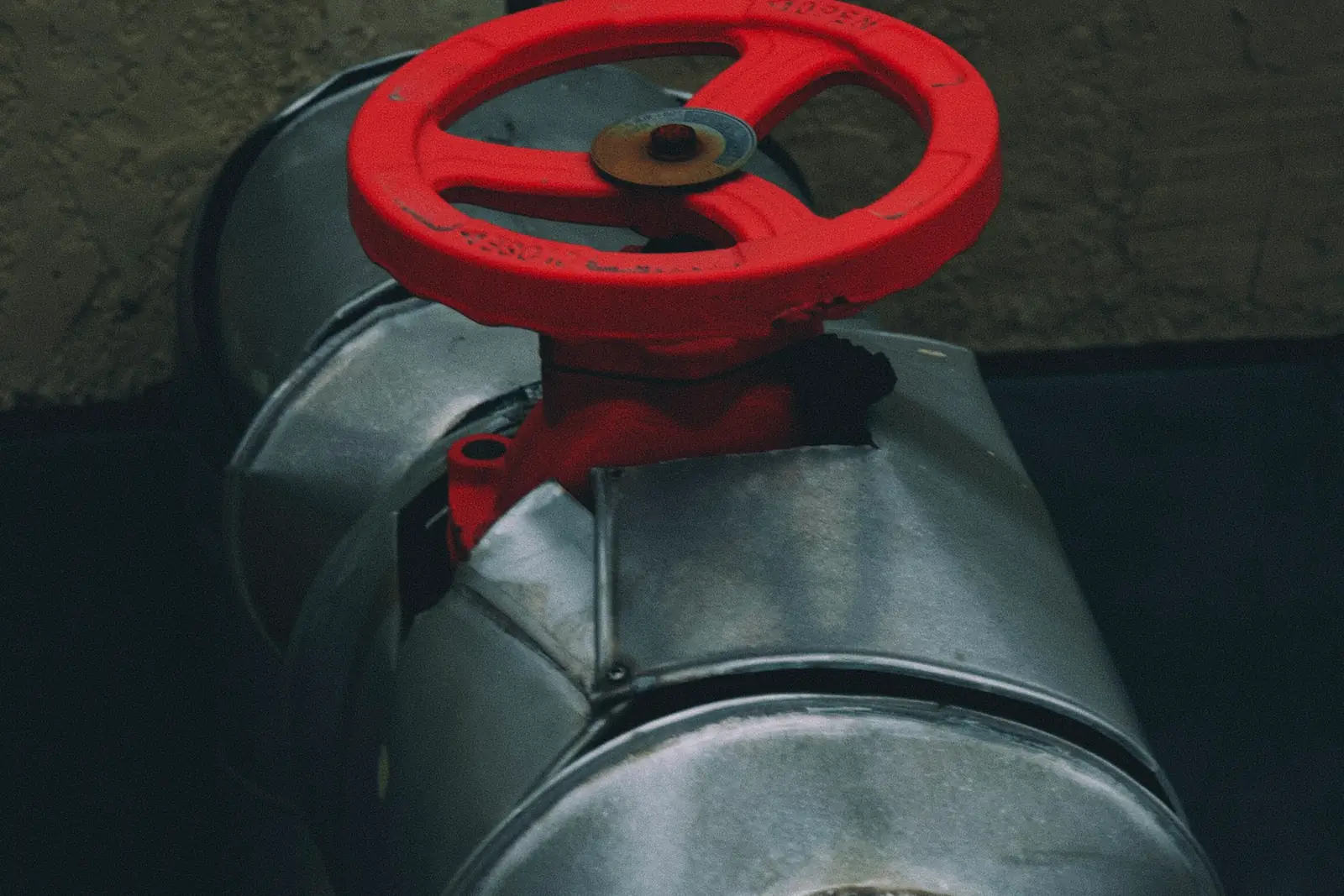
- Ask where the stopcock is and whether it works
- Note the type of boiler and whether there's a hot water cylinder and loft tank
- Look for a water meter
Questions to ask the seller
Ask when the boiler was last serviced and whether there's a Gas Safe service record. Ask when bathrooms and kitchens were fitted, whether there have been any leaks or insurance claims, and whether drains are shared with neighbours. For extensions, new bathrooms or WCs, ask for building control completion certificates where relevant.
Need a plumber for this?
Describe the job and compare free quotes from plumbers near you.
- Free to use
- No obligation
- Compare local plumbers
- Quick online form
You'll continue to our quotes partner, MyJobQuote, to describe your plumbing job.
Older homes
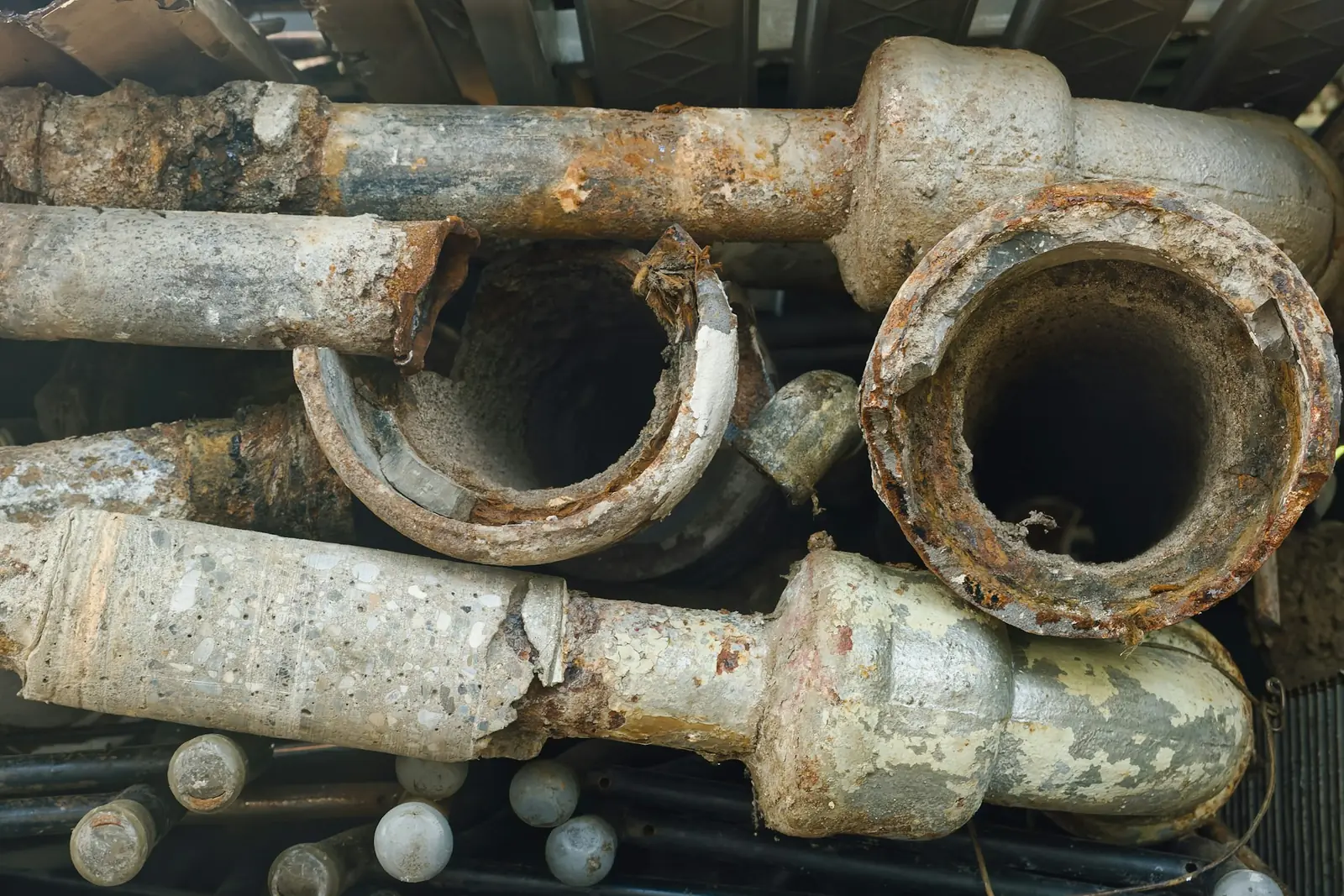
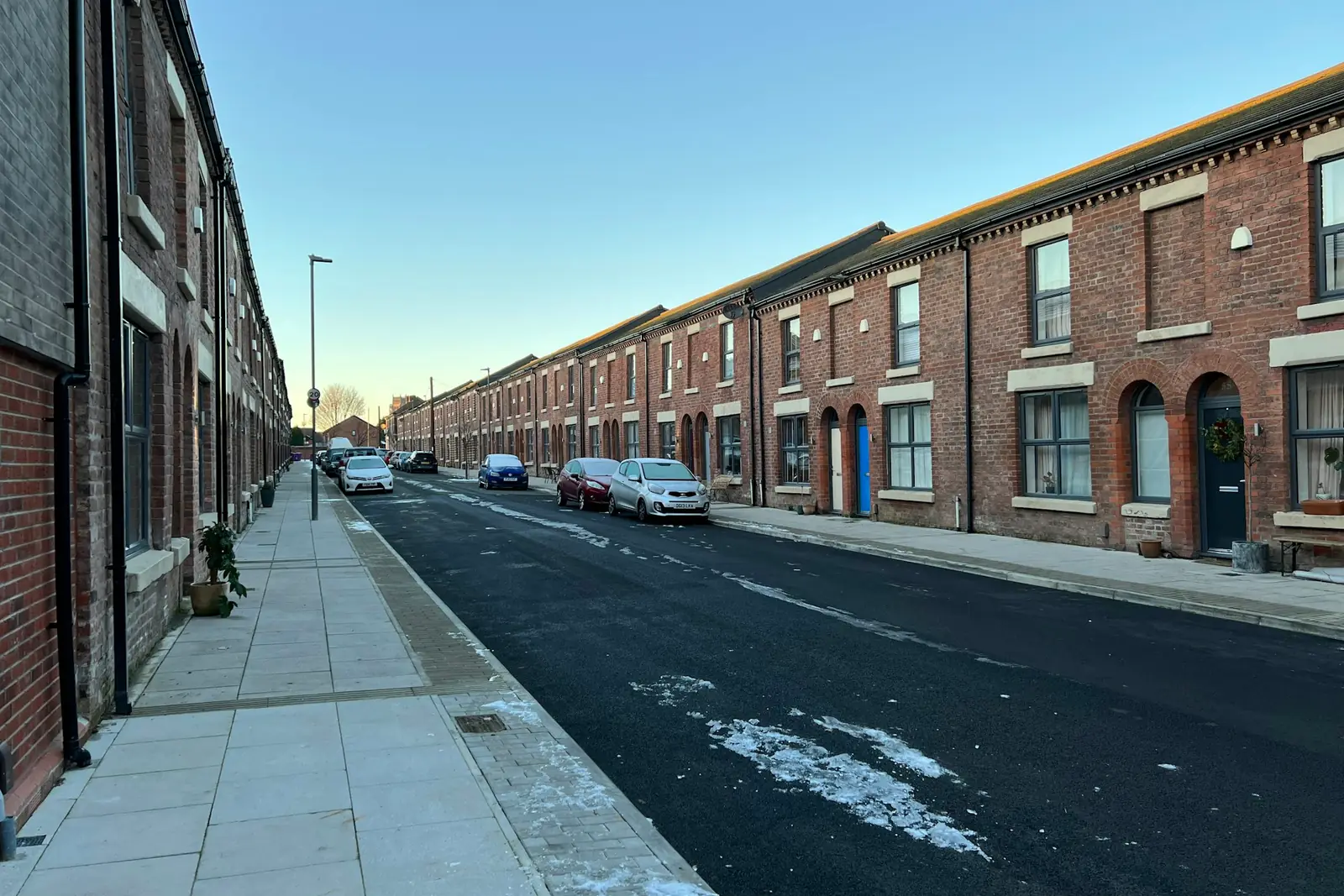
Homes built before about 1970 may have lead supply pipes; older homes may also have iron or galvanised pipework, original stopcocks and long, shared supply pipes in terraced streets. A homebuyer's survey (such as a RICS Level 2 or 3 survey) will flag visible issues, and a CCTV drain survey can be worthwhile for older properties or homes with large trees nearby.
After you move in
Find and test the stopcock, label it, and check the boiler and hot water system work as expected. Read the water meter if there is one, then check again after a period with no water use to spot hidden leaks. If anything looks old or tired, now is the time to get quotes – before the first winter.