Cloudy or white water
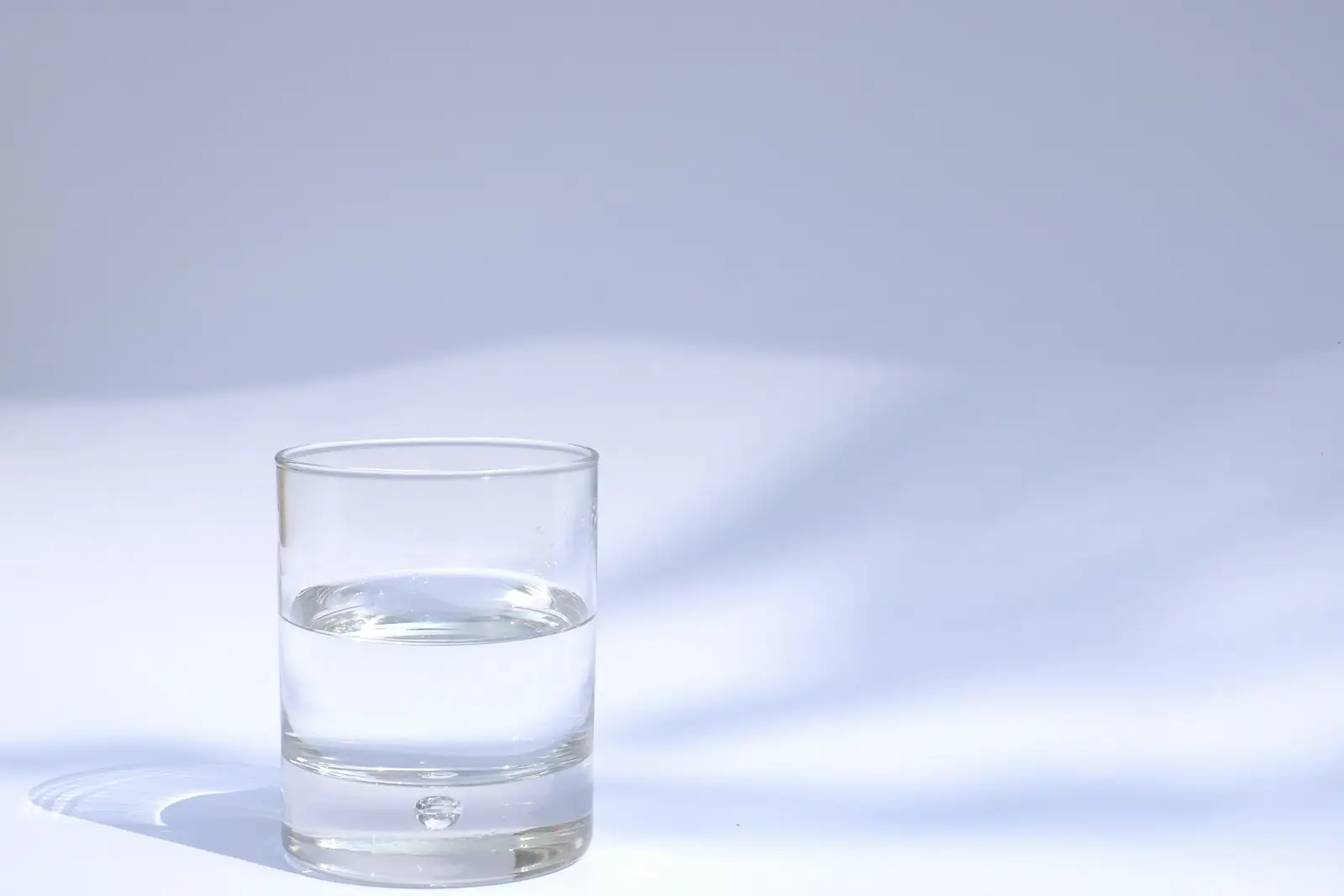
Water that looks milky but clears from the bottom of the glass upwards within a minute or two is usually just tiny air bubbles. It's common after work on the mains or when water is very cold, and it's harmless. If the cloudiness settles as a sediment rather than clearing, contact your water company.
Brown, orange or yellow water
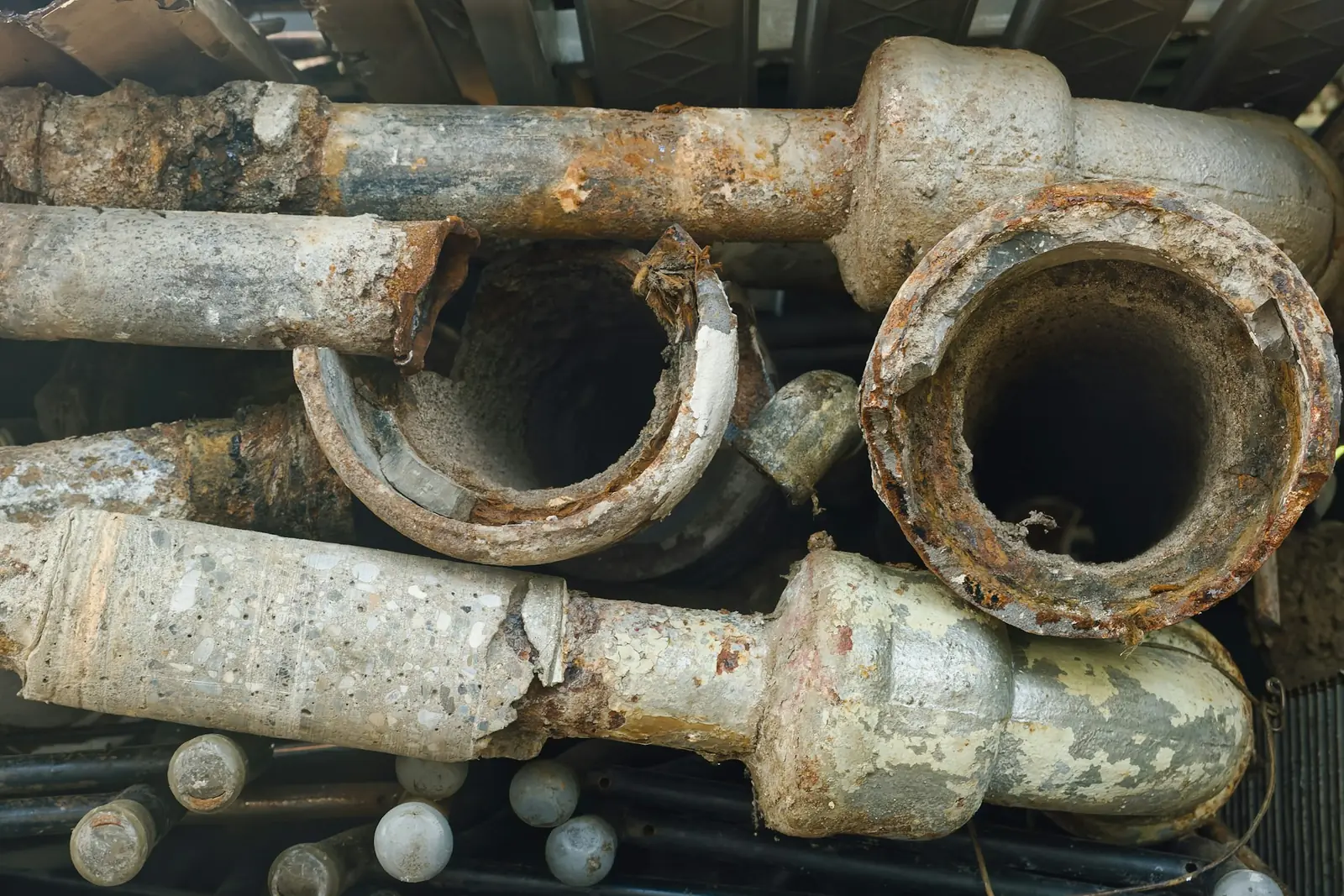
Brown or orange water is usually caused by iron – either sediment disturbed in the water mains, or corrosion from old iron or galvanised steel pipes. If it's sudden and affects neighbours too, it's likely to be the mains: the water company may be doing work nearby or there may have been a burst.
If it's only in your home, only from certain taps, or always at the first draw of the day, the cause is more likely inside your property. Discoloured water only from the hot taps can point to corrosion in the hot water cylinder or heating side.
Need a plumber for this?
Describe the job and compare free quotes from plumbers near you.
- Free to use
- No obligation
- Compare local plumbers
- Quick online form
You'll continue to our quotes partner, MyJobQuote, to describe your plumbing job.
Blue, green or black
Blue or green staining on basins and baths is often a sign of copper being dissolved from pipes, which can happen with softer water or new pipework. Black specks may come from perished rubber washers or flexible hoses breaking down. A plumber can find and replace the affected fittings.
When to call a plumber or the water company
Call your water company first if the problem is sudden, affects the whole house or the street, or if you're worried about drinking the water. Call a plumber if it's isolated to certain taps, keeps recurring, or if you know your home has old iron, galvanised or lead pipework. Lead pipes don't usually discolour water, so if your home was built before 1970, it's worth checking for them anyway.